Motorcycle Helmet Buying Guides – We all know that the importance of safety when riding a motorcycle is crucial and mandatory for us.
And, among the various equipment that must be prepared before hitting the road is a helmet, as helmets are mandatory equipment that should not be overlooked.
However, for beginners who are just learning to ride a motorcycle, choosing the right helmet is not an easy task.
The need for maximum protection, comfort during the ride, and other factors, such as riding style, weather, and the environment, must all be carefully considered when buying a helmet.
So that you don’t get confused, here are some motorcycle helmet buying guides that suit your needs and personal preferences!
Motorcycle Helmet Buying Guides
1. Pay Attention the Helmet’s Safety Standards
Safety standards are something that should not be overlooked when choosing a helmet.
Helmets that meet safety standards set by authoritative agencies have the ability to protect your head from serious injury while riding.
The most commonly used national standard in Indonesia is the Indonesian National Standard (SNI).
Helmets that meet this standard have undergone a series of rigorous safety tests that include impact resistance, structural stability, and material quality, and have been proven to provide maximum protection while riding.
When purchasing a helmet, be sure to check for labels or stickers that indicate the helmet’s compliance with applicable safety standards.
The other standards that apply for a helmet are ISI, DOT, SHARP, and many among others.
Also Read: “SNI Certification For Helmet“
2. Choose The Right Size
Choosing the right size for your helmet correctly is an important step in choosing the right helmet.
Everyone has a different head shape, such as round, oval, or square. Some helmet brands may be more suitable for certain head shapes than others.
To measure your head circumference, use a measuring tape or flexible string and place it over your ears and about an inch above your eyebrows.
Take note of the measurements you get and use them as a guideline when choosing a helmet.
It’s also a good idea to try on a few helmets of different sizes when buying a helmet to ensure you get the best fit for your head shape.
Choosing the size of helmet that fits you will ensure a tight fit, thus reducing the risk your helmet is off when riding your motorcycle.
3. Choose The Right Types of Helmets
The choice of helmet type should be tailored to personal preferences, riding needs, and environmental factors.
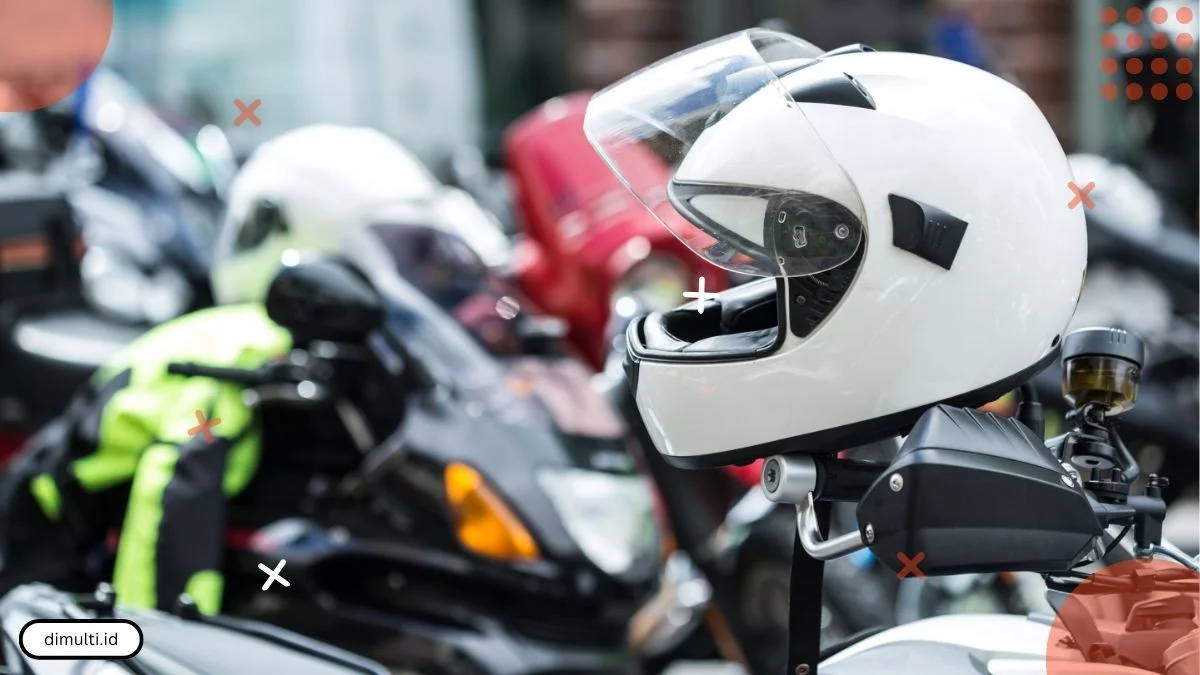
For example, for riders who often ride on highways at high speeds, a full face helmet is the right choice because it can provide full protection to the face and head.
However, for those who prefer the sensation of open riding or often ride on roads at low speeds, a half face or open face helmet may be more suitable.
A modular or flip up helmet can give you the flexibility to switch between full face and open face modes as needed.
Choosing the right type of helmet will provide a balance between comfort, protection and practicality in riding.
Also Read: “6 Types of Motorcycle Helmets“
4. Prioritize Comfort
Besides safety, comfort is also an important factor to consider when choosing a helmet. An uncomfortable helmet can disrupt your concentration while riding, which can increase the risk of an accident.
So, make sure that the helmet you choose is well padded, comfortable, and adjustable to accommodate the shape of your head.
Some helmets come with removable and washable pads, which allow you to easily keep your helmet clean.
In addition, a good ventilation system is also important to ensure optimal air circulation inside the helmet.
Good ventilation helps reduce moisture and heat inside the helmet, thus keeping your head cool and comfortable, especially when riding in hot weather or covering long distances for long period of time.
5. Check For Its Quality and Additional Features
Material quality and additional features also need to be considered when choosing a helmet.
The material of the helmet is a determining factor in the durability and reliability of the helmet during use.
Helmets made from high-quality materials, such as polycarbonate, fiberglass, or carbon fiber, are more durable and able to provide better protection.
Also, check for additional features provided by the helmet. Some helmets might come with anti-fog visors for better visibility in poor weather conditions, while others have a safety lock system to protect your helmet from theft.
These additional features can enhance the comfort and functionality of the helmet, making your riding experience safer and more enjoyable.
So there you have it! The helmed buying guides that dimulti has provided are just for you!
Let’s make safety a top priority on every trip, so that we can enjoy a fun and safe riding experience on the road!