

Difference Between Electrical Socket and Switch – Switches and electrical sockets are two electrical components that are commonly found in houses or buildings.
The differences between the two may seem trivial, but in fact they both have very different roles in the distribution and use of electricity within a house or building.
Through this article, Dimulti will discuss in detail the difference between electrical socket and switch that you need to know!
Also Read


However, before that, you need to figure out what a switch and an electrical socket means first. Learn more below!
What Electrical Socket and Switch Are?
1. Electrical Socket
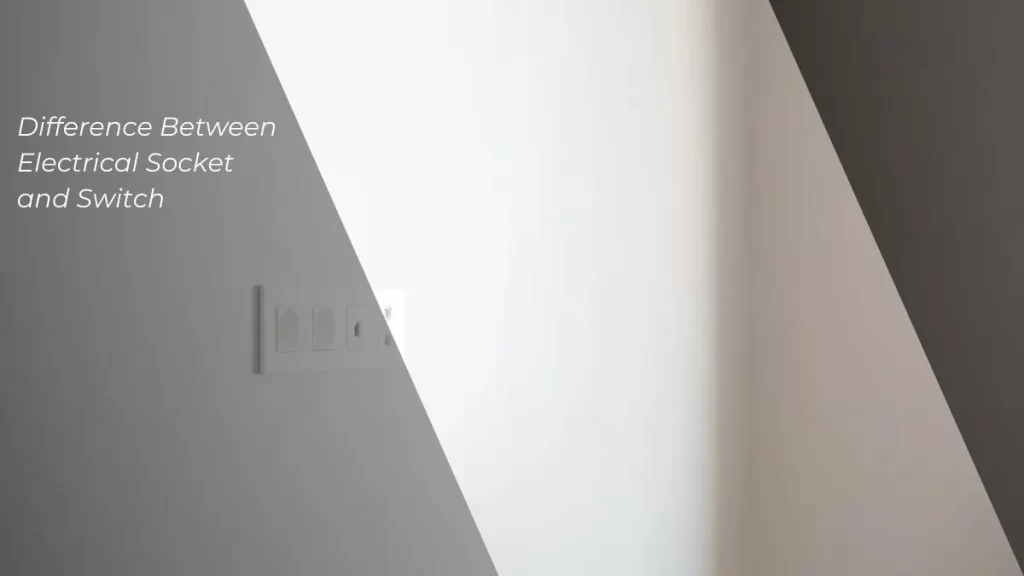
Electrical socket, is a component that provides electrical access to electronic equipment or other devices.
Electrical socket is a connection point where the power cable from the device can be connected to obtain a power supply.
The main function of the electrical socket is to provide the electric flow necessary to operate the electrical equipment.
The electrical sockets are usually located in the walls of a house or building and are designed with one or more holes to accept different types of sockets.
In this way, users can easily connect any electrical devices such as chargers, kitchen appliances, to a power source.
Electrical plugs can be presented in a variety of types, including single electrical sockets that provide a single connection point and double sockets that have two holes to accommodate two devices at once.
Some modern designs even integrate many additional features, such as overload protection or USB charging ports, to enhance its functionality.
2. Switch
A switch is an important component in an electrical installation that serves to control the flow of electricity to a device or lamp.
A switch in itself is an electronic device that functions to open or close the electrical circuit. In this context, a switch acts as a controller of the electricity flow that leads to the connected equipment or lamps.
The main function of the switches is to provide control over electric power, allowing the user to turn on or off devices or lights easily.
Switches are often installed on the walls of the room or on electrical panels, providing easy and fast access to control the light source or electrical equipment.
In addition, switches can also have a variety of designs and types, including a single switch used to control one lamp or device, a double switch that controls two light sources separately, to an automatic switch that can be set to activate or disable devices automatically.
Difference Between Electrical Socket and Switch
1. Design and Shape
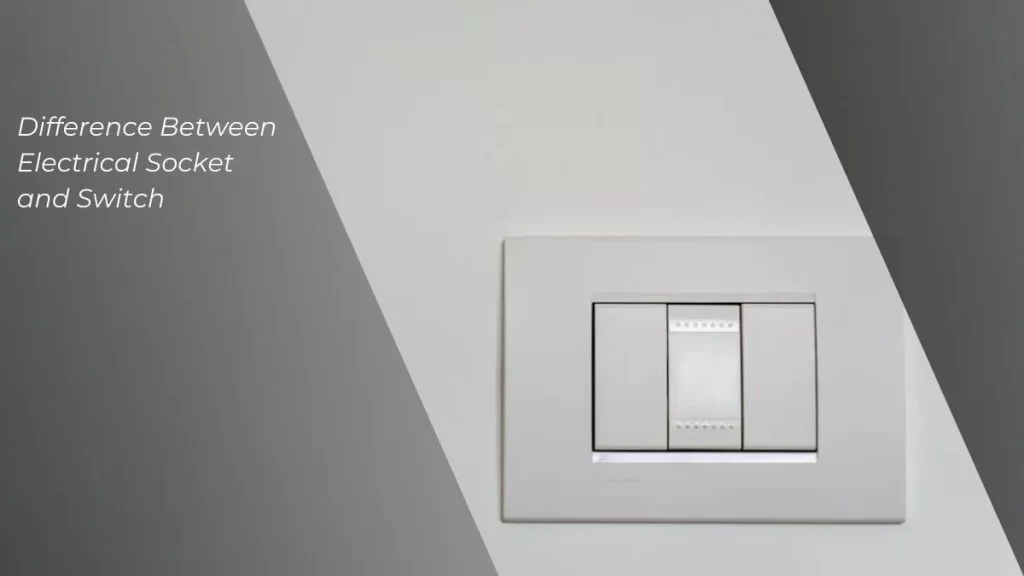
The switch generally has a simple design, often consisting of one or more moving buttons to control the electric flow. This simple design makes it easy for the user to quickly turn on or off a device or light.
On the other hand, the socket has holes or slots designed to plug in a device. These differences reflect the role of each component in controlling or providing electricity access.
2. Function
The switch serves as an electric flow controller, giving the user the ability to turn on or off a device or light. This ability makes the switch a key element in managing the lighting or electricity in the room.
And on the other hand, electrical sockets serve as electrical access points that allow the equipment to connect and receive power supply. The main function of the electrical socket is to provide a power source for electronic devices or other equipment.
Also Read: “Type of Light Bulbs and How to Choose It“
3. Installation Location
Switches are usually mounted on walls or electrical panels, often close to the entrance or door to provide easier control over the light source. The choice of this location is determined by the user’s need to control the lighting in different parts of the room.
The electrical sockets, on the other hand, are placed in various locations along the walls of the room to provide electrical access in places needed, such as around the desk or kitchen or even outdoors.
4. Amount of Controls
Switches often have single or double controls, depending on the design, allowing the user to control one or more light sources simultaneously. The diversity of switch types gives the user the versatility to adjust the lighting to suit the needs and atmosphere of the room.
On the other hand, the electrical sockets can have several holes to connect several devices simultaneously, giving the user the ability to manage the power supply for several devices at the same time.
Also Read: “7 Benefits of LED Lights“
5. Safety Features
Switches are usually not equipped with additional electrical protection. Security is mainly dealt with by the built-in features in the connected devices.
Meanwhile, electrical sockets are often equipped with safety features such as overload protection. These features are designed to prevent the risk of an accident or device damage due to excessive power use or unsafe actions.
By understanding the difference between electrical socket and switch, you can be wiser in managing the electricity consumption in your home or building.
These two components, although often considered trivial, play a crucial role in ensuring convenience and efficiency in everyday power utilization.
Awareness of their respective functions helps you make the right decisions in planning an electrical installation in your home.
Another key thing that is worth considering is to choose an electrical socket or switch that has been certified by the SNI certification.
The SNI certification is a series of regulations to ensure that every product and service sold, marketed and distributed in Indonesia is within Indonesian standards.
The regulation of electrical switches is clearly stated in SNI IEC 60669-1:2013 and as for electrical plugs or sockets it is in SNI 04-3892.1.1-2003 and also in SNI 60884-1:2014