
Pros and Cons of Electric Vehicles – Let’s take a look at the pros and cons of electric vehicles before you buy one!
Public awareness of air pollution is on the rise, and that’s why electric vehicles are also on the rise.
However, like many other things, the use of electric vehicles also has some pros and cons that you should consider before buying and using one.
Also Read


So, what are the pros and cons of electric vehicles? Let’s take a look at the explanation that we have prepared especially for you!
Table of Contents
What are Electric Vehicles?
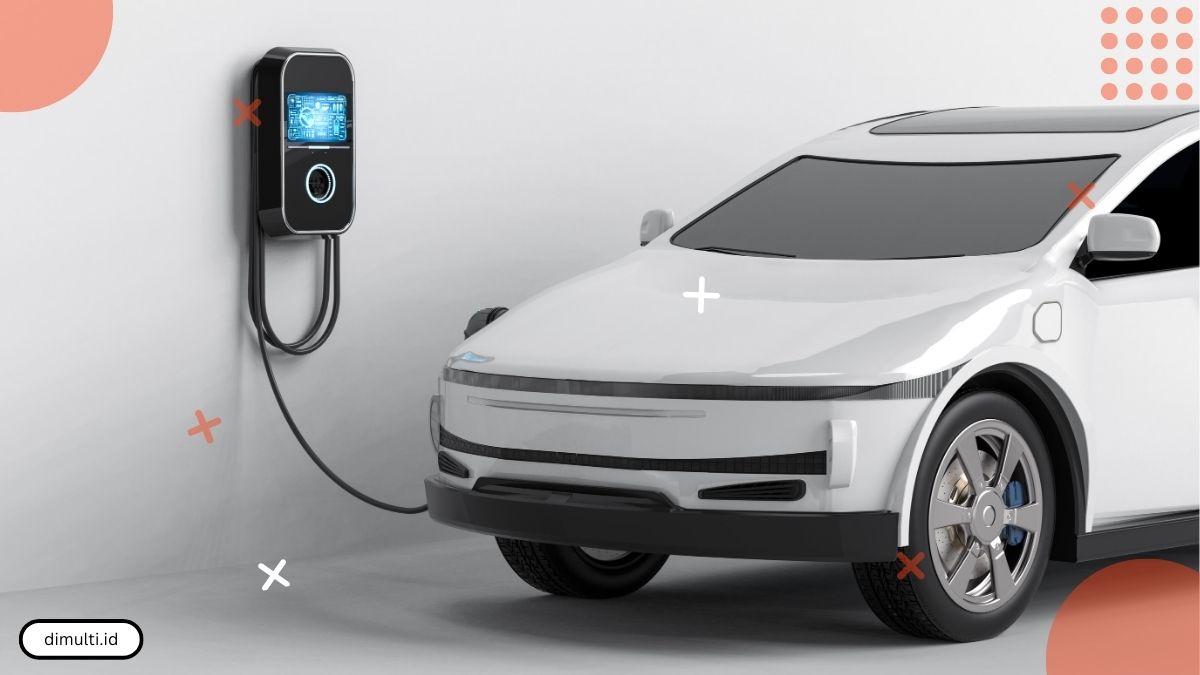
As the name implies, electric vehicles are vehicles powered by electric current and electric motors as the source.
Unlike conventional vehicles that use internal combustion engine systems, electric vehicles do not produce exhaust emissions that are harmful to the environment that can cause air pollution.
Therefore, the uses of electric vehicles are considered to be things for the future to improve and keep the air quality clean and healthy overall environmental condition.
There are several types of electric vehicles that you should know before buying the electric vehicle, including:
- Battery Electric Vehicles (BEV)
- Hybrid Electric Vehicle (HEV)
- Plug-in Hybrid Electric Vehicle (PHEV)
- Fuel Cell Electric Vehicle (FCEV)
- Solar Electric Vehicle (SEV)
Also Read: “Electric Vehicle Battery Types“
Pros of Electric Vehicles
1. Low to Zero Emission
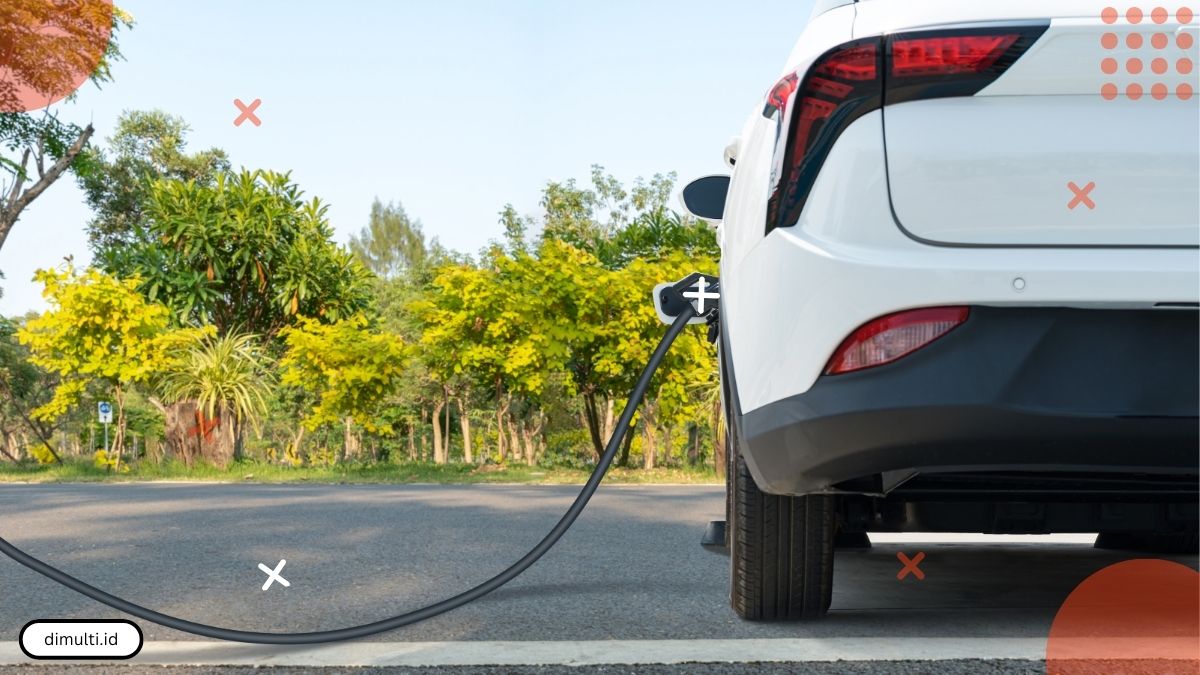
This point is arguably the biggest reason driving the shift from internal combustion engines to electrification technology.
Electric cars produce absolutely no exhaust emissions from their working process. This is different from cars with internal combustion engines.
2. Lower Operating Costs
Electric cars have fewer moving parts. Therefore, electric cars do not require engine lubricants and maintenance is relatively minimal.
In addition, the use of electricity as the main energy source is also one of the benefits you can get, because the use of electricity is generally cheaper than gasoline.
However, this does not mean that electric cars do not need maintenance. Fast moving components such as brake pads needs to be replaced regularly for safety.
3. Energy Efficient
EVs are usually more efficient in terms of energy consumption compared to cars with internal combustion engines, which means they use less energy to travel the same distance.
First, the electric motors used in electric cars have very high energy conversion efficiency. Electric motors are able to convert electrical energy from batteries into mechanical energy with little energy loss.
This is in contrast to internal combustion engines, which generate a lot of heat energy as a by-product of the fuel combustion process.
Also, the regenerative braking technology in electric cars contributes to higher efficiency.
Regenerative braking allows the car to recover some of the energy that is normally lost during the braking process.
Also Read: “5 Types of Electric Vehicles“
Cons of Electric Vehicles

1. Range Anxiety
Electric cars have a much lower maximum drive distance than conventional cars. The average range of an electric car is only about 300 miles.
That and the long battery charging process and the existence of charging stations that are not as many as gasoline charging stations will result in range anxiety.
2. High Battery Fixing and Replacing Cost
The battery is the main component in electric vehicles, and it is crucial to the operation of EVs.
And, although EVs have a much lower maintenance cost compared to conventional vehicles, when the battery fails and needs to be replaced, you may have to spend a lot more.
3. Higher Upfront Cost
One of the things that haunts electric vehicle buyers is the high initial purchase price. Usually, electric vehicles are priced higher than conventional vehicles.
This difference is also significant, as a new electric vehicle is usually priced at an average of approximately 55,000 USD, compared to the price of a conventional car which is only around 45,000 USD.
So there you have it! The pros and cons of electric vehicles to consider before buying one!