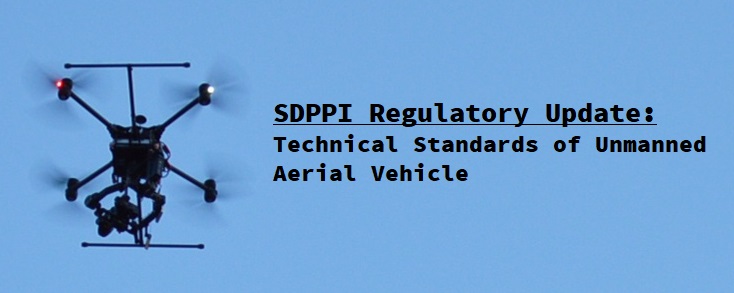
Technical Standards of Unmanned Aerial Vehicle – December 2021 SDPPI has signed a new technical reference for umanned aerial vehicle telecommunication Tools and/or Device, or commonly known as “drone”. This technical regulation came into force right at the time of this regulation being signed, which is December 21st, 2021.
Therefore, for those who wants to import, manufacture, or assemble unmanned aerial vehicle telecommunication tool and/or device for being used and/or traded within the territory of the Republic of Indonesia, must comply with this regulation first. And the compliance toward certain technical telecommunication regulation in Indonesia can be proven by obtaining SDPPI certificate, or certificate issued by Directorate General of Resources and Equipment of Post and Information Technology.
What is Unmanned Aerial Vehicle?
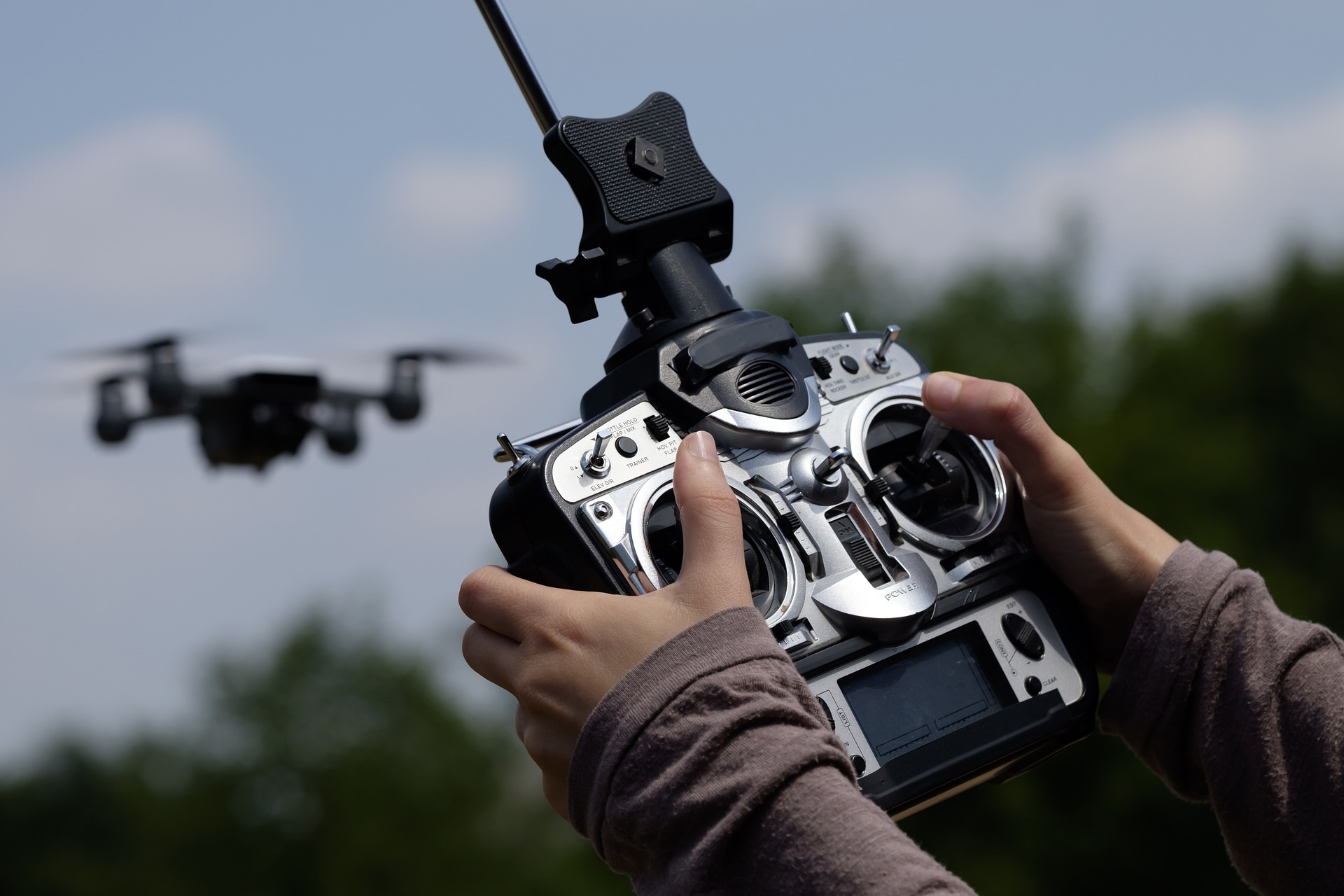
“Unmanned aerial vehicle (UAV)” may not be a familiar term for most people. We may know it as”Drone”. But, these two refers to the same product, which is aircraft with no pilot and crew on board. It has no passanger as well, because currently the use of UAV as commercial transport system is still not common.
Also Read
In its operation, UAV or Drone needs some basic components such as ground-based controller and communication system which is used to communicate between the controller and UAV. In commercial UAV system, or drone products which can be easily found in the market, it has more simple operation. It has remote control that can be easily controlled by human operator. However, this type of UAV usually has shorter control range.
More advance system can be found in military UAV, which uses special commuication system and equipped with some advanced features like on board radar system, faster transmission, longer travel range, scanning and mapping capability, or even autopilot system which doesn’t need human intervention.
What are unmanned aerial vehicles used for?
There are various use of Drone system. Especially with more advance research and development conducted by manufacturers, drone has expand its functionality to wider purposes. Some common usages of drone are:
- UAV for photography: Most commercial drones nowadays come with advance camera system which can take HD photos and Videos from the up above. In the past, it’s common for cinematography crew to take a scene using helicopter or fas moving vehicle. But now, with the advancement of photography technology in drone, difficult shoots can be taken easily without having to rent helocopters or having to take photos from movung-cars like they used to do.
- UAV for Military: This is the most popular or commonly known usage of drone. We may know some popular products like Northrop Grumman’s RQ-4 Global Hawk, General Atomics’s MQ-9 Reaper and MQ-1C Gray Eagle, CAIG’s Wing Loong II and CASC Rainbow from China, TAI Aksungur and TAI Aksungur – Turkey from Turkey, and many more. These drones has supported world’s military force in doing their tasks in the most rural, deserty, remote, and hardest environtment that is unreachable by human.
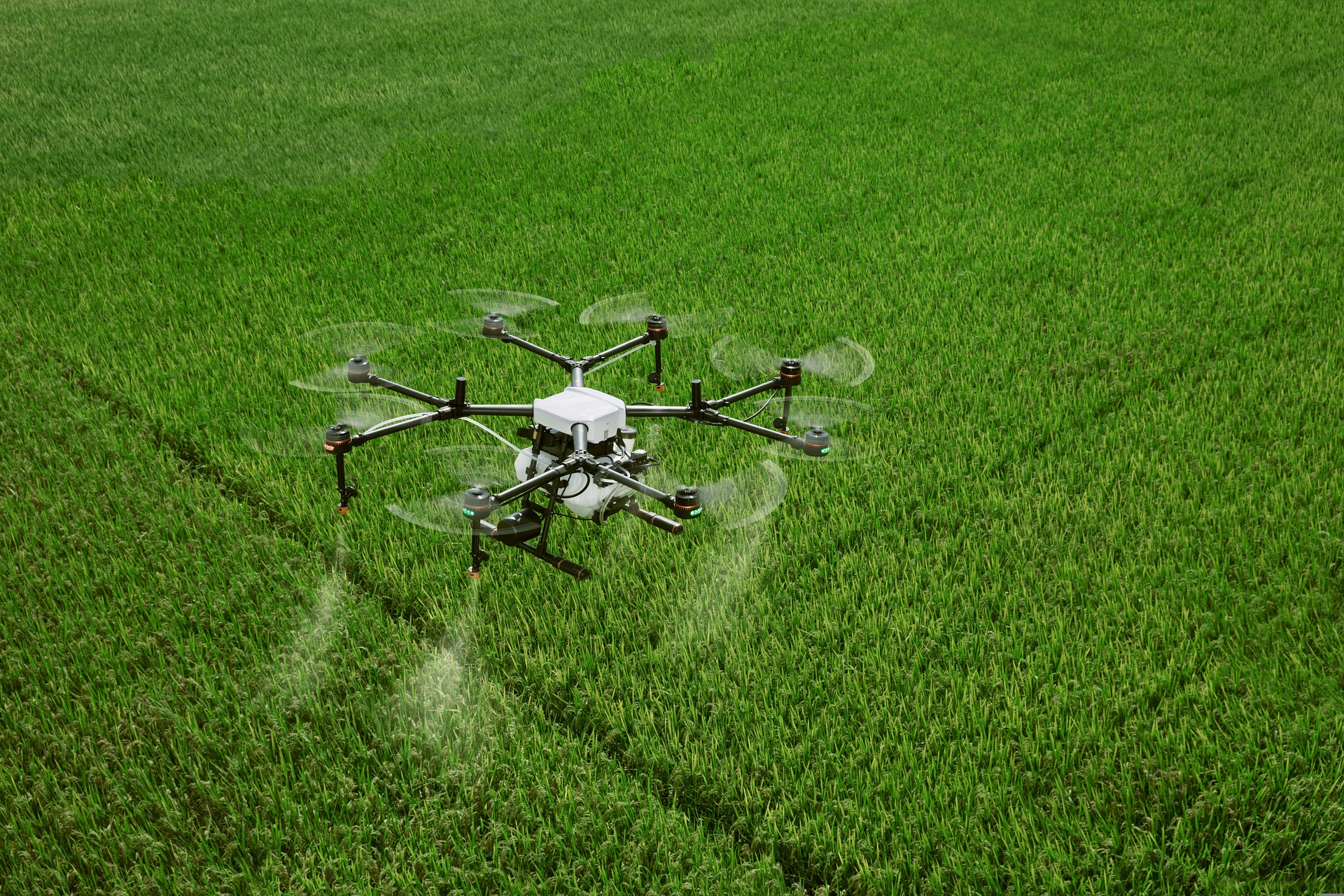
- UAV for Agriculture: this may not be applicable in developing countries yet. But in more developed countries, drone is part of the agriculture technology that is used to maximize crops. Farmers usually use drone which they conduct survey to their field, so they don’t have to walk around the field to know the condition. They may use drone to spread fertilyzer evenly in faster and more efficient way, to spread seed, or to monitor crops.
- Drones for delivery: Some courier service like UPS has tested their new delivery system using UAV. By using drone to deliver package, company can deliver the package faster and in 24 hours. However, even though many think that this may be the future delivery sytem, but there are soem issues that still need to be solved before drone application is ready to be fully applied such as security, limited-weight-carry capability, location accuracy, and the potential to cause unemployment because company doesn’t need human intervention anymore to deliver the package.
- Some other potential use of Drones are: conservation, emergency resque, possibly transportation in the future, and many more. However, to do all these functions, drone or UAV products must first comply with Technical Standards of Unmanned Aerial Vehicle of each distribution area, which will be explained below.
Technical Standards of Unmanned Aerial Vehicle

As explained in the previous paragraph, there is Technical Standards of Unmanned Aerial Vehicle that should be fulfilled before we manufacture, assemble, or import UAV products to be used and/or traded in Indonesia. This technical requirement especially regulates on communication system between the ground base controller and the UAV. It defines the allowed radio technology specification such as frequency bands and output power. By fulfilling this requirment, we can guarantee that the communication system in the product will not interfare other communication system in the neighbouring frequency.
Particularly for Indonesia, Technical Standards of Unmanned Aerial Vehicle is regulates by Ministry of Communication. It is covered in “KEPMEN KOMINFO NO 544 TAHUN 2021 [https://sertifikasi.postel.go.id/uploads/file_rumusan/176/1879a63b131c991a41cfd575b901f93e.pdf]” that was announced by SDPPI recently. The original document can be found in the link embedded on regulation name. But, that document is still presented in Indonesian language. For the English version, you can find it here in this link.
That’s the end of our discussion, should you have any inquiry about the new Indonesian Technical Standards of Unmanned Aerial Vehicle, feel free to drop an email to: info@narmadi.com .