
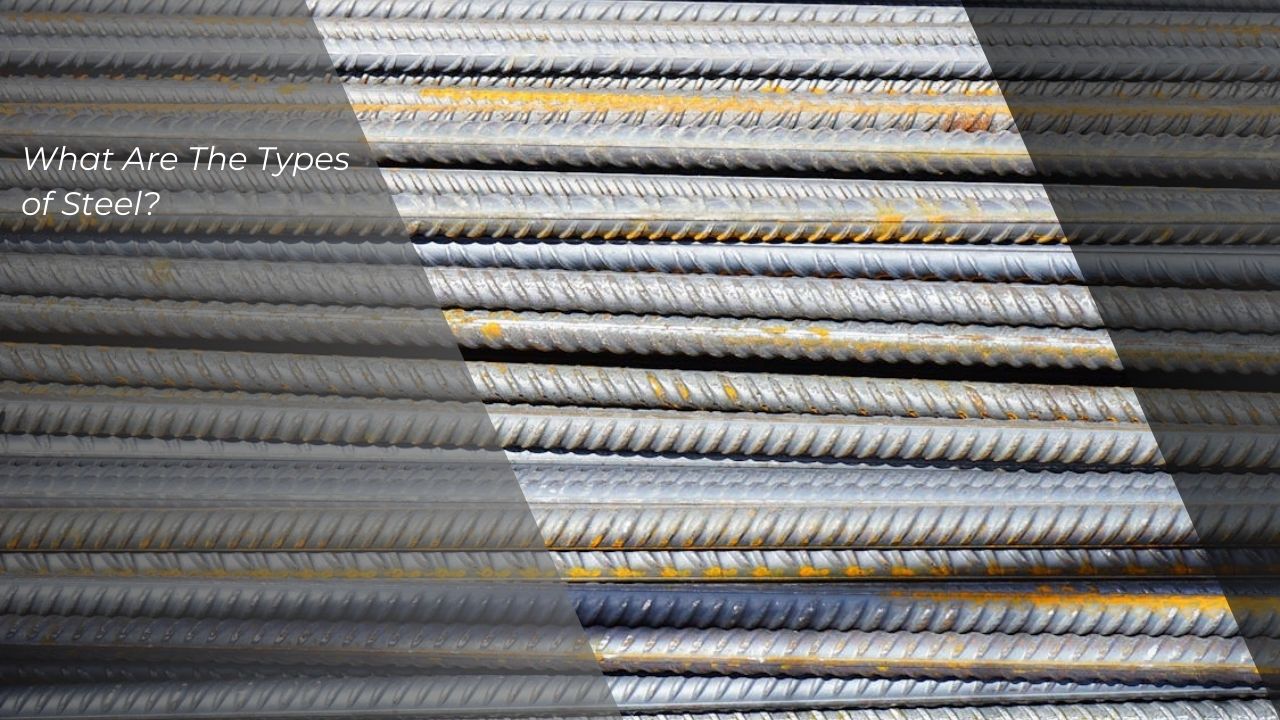
Types of Steel and Its Uses – Steel is the invisible hero of our modern world. From towering skyscrapers to life-saving medical equipment and the cars we drive, steel is everywhere.
But with so many varieties, it can be confusing to choose the right type for a specific job.
Not all steel is created equal, different types and alloys boast unique properties. Some steels are strong and heavy-duty, perfect for construction projects. While the others are flexible and adaptable, ideal for a wider range of uses.
Feeling lost in the world of steel? Don’t worry, this guide will help you understand the different types of steel and find the perfect match for your needs!
Also Read


Types of Steel

1. Carbon Steel
Carbon steel might seem like a straightforward material, an iron alloy with some carbon mixed in. But in the world of manufacturing, it’s not that simple!
Let’s dig even deeper as there are 3 different ways that carbon steel is classified:
- Low carbon steel: Low carbon steel (also known as mild carbon steel or plain carbon steel) have up to 0.30% carbon content. This type of steel also holds the title of the most common type of steel on the market, it’s because the low carbon steel is budget-friendly compared to other steel varieties and lower carbon content makes it incredibly easy to shape, making it ideal for applications where high tensile strength isn’t a top priority, like structural beams.
- Medium carbon steel: The medium carbon steel has a 0.31% to 0.60% which resulting in higher strength but less flexibility.
- High carbon steel: High carbon steel is by far the strongest steel in commercial use. With a carbon content up to 0.61% and 1.50% and between 0.31 and 0.90 of magnesium, high carbon steel appeals to be strong and hard. However it is very difficult to weld, or cut.
Also Read: “What is Metal Rolling?“
2. Stainless Steel
The defining characteristic of stainless steel is the presence of 10.5% a minimum amount of chromium.
While it shares some elements with carbon steel (iron and carbon), this extra dose of chromium is the secret ingredient behind its unique properties.
The biggest perk? Chromium acts as a shield, protecting the steel from oxidation – that nasty process that eats away at metals over time.
This resistance to rust is what gives stainless steel its characteristic shine. No surprise then, you’ll often find it in cookware, knives, and even medical equipment where hygiene is paramount.
Just like its carbon cousin, there’s a whole family of stainless steel types, each with its own properties.
- Ferritic alloys: Ferritic alloys’ main characteristic is that ferritic alloys are magnetic, leading them to be useful to applications where magnetism is necessary. These are also the cheapest stainless steel due to their low nickel content.
- Martensitic alloys: Martensitic alloys are the rarest members of the stainless steel family. While they steal the show with their impressive hardness and toughness, They’re also have a poor rust resistant.
- Austenitic alloys: The most common types in the stainless steel family on the market, the austenitic alloys offer a rust-resistant, unique look and non-magnetic properties.
Also Read: “The Difference Between Titanium and Stainless Steel“
3. Alloy Steels
These versatile metals are created by mixing carbon steel with other elements.
This special blend grants each alloy steel unique properties, making them superstars in specific applications.
The alloy steels also being the type of steel with a widest and most diverse range of steel alloys, with some of the most common ones including.
- Cobalt
- Chromium
- Nickel
- Tungsten
There you go, the types of steel that are most commonly used.
With every steel serving a different purpose, you have to choose wisely for your next project.
But, one thing that is certain, is that you have to choose the steel that already has an SNI certification.
The SNI certificate is a set of policy and regulation to ensure that every product that is sold and distributed in Indonesia is up to Indonesia’s standard.
That being said, all the products (yes, including the steel) that has an SNI logo on it are certified and its safety aspects are guaranteed.
So, if you want to know more about SNI certification, go check this link!