

Types of Flour Protein Content – Foods made from wheat flour are very popular in different parts of the world.
From bread to cakes, wheat flour plays an important role in many culinary recipes, thanks to the unique texture and flavor it imparts to the final product.
In general, wheat flour is divided into different types based on the protein content it contains.
Also Read


This protein content affects the structure and texture of the resulting product, so each type of flour has its own uses.
For example, high-protein flours provide the strength and elasticity needed for chewy breads, while low-protein flours are suitable for making soft and crumbly cakes.
Here, dimulti.id will provide detailed information on the different types of flour based on their protein content as well as their uses in various recipes.
Let’s find out more below!
Types of Flour Protein Content
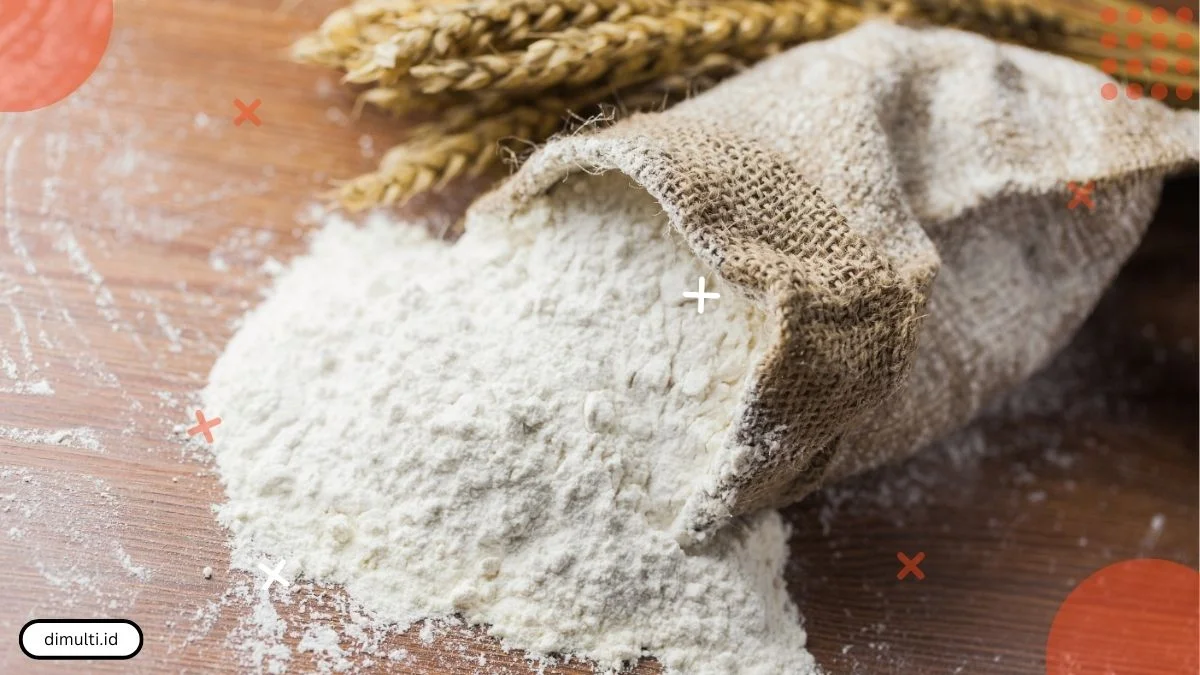
1. All-Purpose Flour
All-purpose flour is a very versatile type of flour that is widely used in various cooking and baking recipes. It has a moderate protein content, usually ranging from 9-11%, which provides an optimal balance between chewiness and softness in dough.
Its moderate gluten content allows it to provide enough structure without making the final product too hard or too soft.
Due to its versatile nature, all-purpose flour is ideal for various applications in baking and cooking.
For example, in bread making, all-purpose flour is able to provide the strength needed to develop the dough, resulting in bread with a good texture and a crispy outer layer.
In baking, it helps create a soft and moist texture without making the cake too dense.
For biscuits and pancakes, all-purpose flour gives a light and fluffy finish, making it a very suitable choice for these dishes.
2. High Protein Flour
High protein flour is a type of wheat flour with a high protein content, generally ranging from 12-14%.
This high protein content gives this flour an exceptional ability to form a large amount of gluten. Gluten, which is formed from protein, gives the dough added structure and elasticity, allowing the final product to have a firm and chewy texture.
This flour is ideal for making a variety of products that require strength and chewiness, such as bread, pizza, and bagels.
The gluten formed from high protein flour helps the dough rise well, provides optimal volume, and maintains the shape of the product during the baking process.
With these capabilities, high-protein flour produces final products that have the desired dense and elastic texture.
However, due to its ability to produce more gluten and provide a stronger structure, high protein flour is not suitable for making cakes or biscuits that require a lighter and crumbly texture.
For products such as sponge cakes and cookies, which require softness and crumbliness, low protein flour or all-purpose flour is more recommended.
High protein flour focuses more on creating a dense and chewy finish, making it the top choice for products that require these qualities.
Also Read: “Whole Wheat Bread For Diet“
3. Low Protein Flour
The first one on our list is low protein flour. And as its name implies, the low protein flour is the wheat flour with a low protein content, around 7-8.5%, has a low gluten content.
This results in a smoother and softer texture in the final product and this flour is ideal for making cakes, biscuits and pastries that require softness and crumbliness.
Due to its low gluten content, this flour does not provide a strong structure or elasticity, making it the best choice for products such as sponge cakes and cookies that require a light and crumbly texture.
The end product of low-protein wheat flour tends to be softer and brighter, making it very suitable for various types of cakes and biscuits.
There you have it! The types of flour protein content all in one place!
But did you know that wheat, especially in the form of flour, is in the mandatory list of things that needs to be certified before being sold and distributed in Indonesia?
The certification itself is called the SNI Certification, that regulates most if not all of the products and or services that are sold, distributed or provided in Indonesia.
This certification aims to give peace of mind to the Indonesian customers, knowing that the product that they bought has already been tested for its quality and safety.
And, for the regulation that regulates the wheat flour, it is clearly stated in SNI 375:2009.