Did you know these 5 types of coffee beans? Yes, the coffee beans are generally divided by five types which are the arabica, robusta, liberica, excelsa and the decaf coffee beans.
Knowing the types of coffee beans can help us customize the desired flavor. For example, you can combine 30% Arabica and 70% Robusta to produce a bitter coffee with a slight sourness.
So, today, we will deeply discuss the 5 different types of coffee beans along with their characteristics. Let’s get caffeinated!
Types of Coffee Beans
1. Robusta
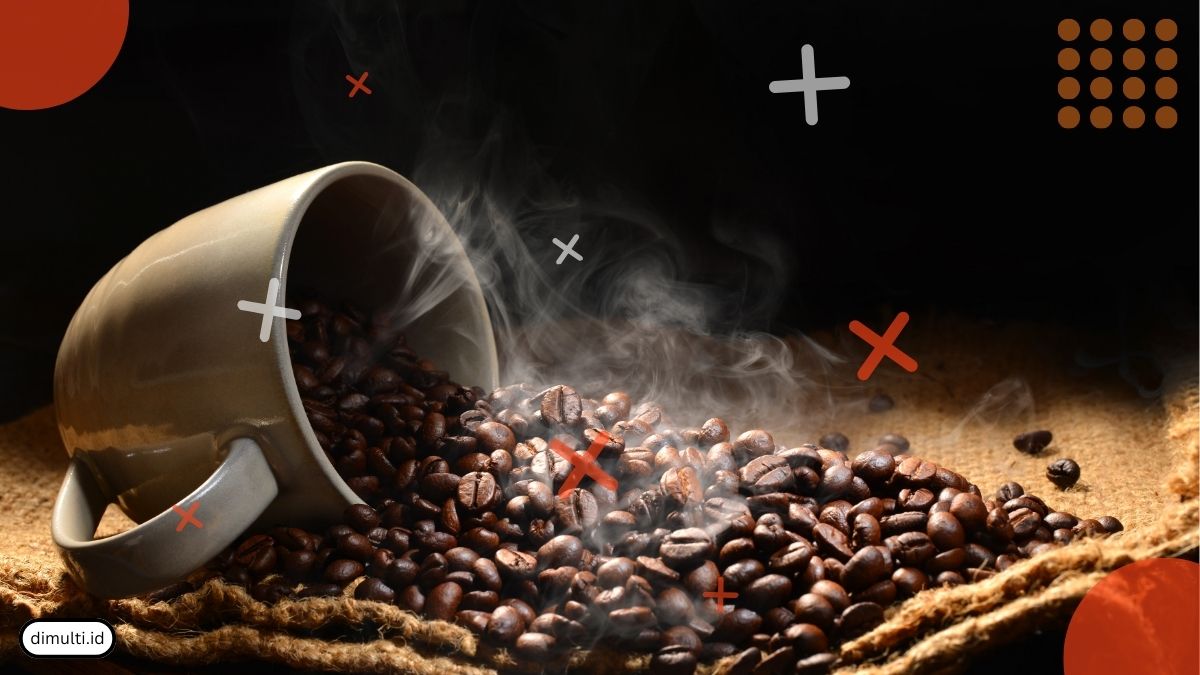
Robusta coffee beans are the second most produced coffee beans, right after the arabica. The robusta has a characteristic of strong and bitter flavor, due to its high caffeine content.
Although the robusta are native to sub-Saharan Africa, these beans are grown mostly today in Africa, Indonesia, and India.
And because of its bitter flavor, robusta is commonly used in coffee blends to complement other coffee flavors and you most likely wouldn’t find robusta beans on its own.
The bold and strong flavor of robusta really stands up to the additions of cream, steamed milk and other flavoring.
2. Arabica
The next one is the most produced coffee beans in the world, the arabica coffee beans.
Arabica coffee beans are native to Ethiopia, but are grown in several countries with high altitudes with stable rainfall.
Arabica beans are also considered the most high-quality types of coffee beans, and can be found in most of your nearby coffee shops.
Other than being consumed by its own, Arabica coffee can also be found in many recipes, making it also one of the most versatile coffee beans.
Also Read: “5 Most Expensive Chocolate in the World“
3. Liberica
The liberica beans are native to central and western Africa. And due to its high tolerance to harsh climates and low altitudes, these beans can also grow well throughout Southeast Asia including Indonesia and Philippines.
Liberica has an almond-shaped seed with a floral and fruity aroma, and can most likely be found in Philippine food markets.
But, this type of coffee bean is also well-known for its “controversial” flavor, with nutty or woody notes.
4. Excelsa
This type of coffee bean is newly classified as part of Liberica. However, the flavor profile of Excelsa and Liberica coffee are quite different, with Excelsa beans having an incredibly complex flavor profile.
Excelsa brings a fruity sourness that blends with the smoky aroma. This bean was first discovered in Africa, and almost exclusively grown nowadays in Southeast Asia.
This type of coffee is lighter in terms of aroma and caffeine. So, for those of you who don’t really like coffee, Excelsa can be the right choice.
5. Decaf
When visiting a coffee shop, you must have been offered Decaf coffee beans, right? Actually, decaf is a regular coffee bean (regardless of its types) with low caffeine content.
The Decaf process is done before the beans are roasted, by soaking them in water or steam until they expand.
Then, the beans are extracted with water and other substances to reduce the caffeine content. After that, the low-caffeine coffee beans will be dried to restore their normal moisture.
So there you have it! The 5 different types of coffee beans along with their characteristics!
But, regardless of its type, one thing that you need to be sure of is to have high quality coffee to ensure a good and safe coffee for your consumption.
But, how do you determine the high-quality one? Well, it is easy if you stay in Indonesia, as there are several standards that regulate the quality of coffee.
The standard is called SNI which stands for Standar Nasional Indonesia (Indonesian National Standard) that regulates most, if not all, of the products sold and distributed in Indonesia.
Other than that, this standard/regulation also regulates and sets the standard of many services and/or installation methods to ensure everything is up to Indonesian standard, thus improving the overall safety of many industries.
This standard surely will give us as a consumer a peace of mind, knowing that almost everything that is sold and distributed is already tested for its quality and safety.
Other than that, the SNI certification also can be quite beneficial for business owners alike. Imagine you’re a business owner and your products have already been tested and meet certain standards like the SNI.
It surely can boost the trust of Indonesian consumers especially, to your products, and you can use it as marketing tools to further increase your products’ or business’ reach within the Indonesian market.
Not going to stop there, the SNI certification also can be mandatory for certain products, take motorcycle helmets for example.
And because it must be certified by the SNI certification, having your products certified will also be a testament that your product and business have already followed Indonesian law and regulation, thus saving you from a problem that might occur later on.
Back to the black-magic-liquid we’re talking about, the SNI for the coffee itself is clearly stated in:
- SNI 2983:2024: For instant coffee
- SNI 3542:2004: For powdered coffee
- SNI 01-2907-2008: For coffee bean