

Difference Between Medical and Industrial Thermometers? Yup! There are different types of thermometers that are also used in different settings that you should know!
To put it simply, medical thermometers are specially designed to measure the temperature of the human body, with a high degree of accuracy and usually use a Celsius scale.
Meanwhile, the industrial thermometer is more commonly used for measuring the ambient temperature or temperature of non-human objects, such as in industrial processes or laboratories, and can use a variety of scales.
Also Read


Then, what’s the difference between medical and industrial thermometers? To find the answer, you take a closer look at the full explanation below!
Table of Contents
What are Medical and Industrial Thermometers?
1. Medical Thermometers
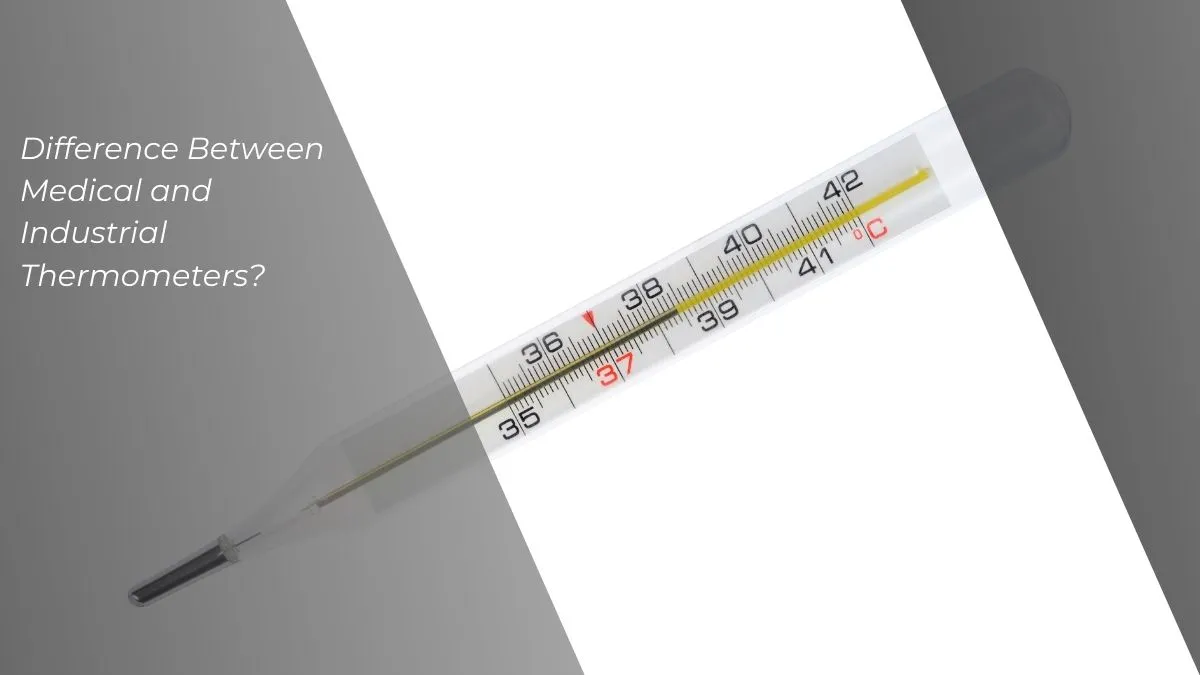
A medical thermometer is a device used to accurately measure human body temperature. It is commonly used in hospitals, clinics, or by medical personnel in various medical settings.
Medical thermometers can be digital or analogue, with digital being the most commonly used today due to its ease of use and high accuracy.
Measurement of human body temperature is crucial in the diagnosis of disease, monitoring of health conditions, and setting up temperature therapy.
Typically, medical thermometers use a Celsius scale to measure the human body temperature, and can be applied orally (mouth), rectally (anus), or axillary (chest) depending on the method that suits the needs and condition of the patient.
Medical thermometers are also often equipped with additional features such as data storage memory, high temperature alarms, and easy-to-read displays for easy to use by medical personnel and individuals at home.
2. Industrial Thermometers
Industrial thermometers are devices designed specifically to measure temperatures in industrial environments or in non-medical applications.
These devices have a wide range of applications, ranging from temperature monitoring in manufacturing processes, temperature measurement on industrial equipment, to temperature control in laboratory environments.
Industrial thermometers often have designs that are more resistant to harsh environmental conditions, such as extreme temperatures, high humidity, or the presence of potentially damaging chemicals.
Moreover, industrial thermometers are also often equipped with a variety of measurement scales, like Celsius, Fahrenheit, or Kelvin, depending on the needs of its use.
Industrial thermometer’s accuracy and durability are essential to ensuring that industrial processes run smoothly and safely.
Proper temperature measurement can affect product quality, operational safety, and production efficiency.
Therefore, industrial thermometers are often designed with additional features, such as sensitive sensors, protection against electromagnetic interference, or the ability to connect to an automatic control system.
Also Read: “6 types of fire detector“
Difference Between Medical and Industrial Thermometers

So, after knowing each type of thermometer, let’s dig into the difference between these two!
1. Purposes
Medical thermometers are used specifically to measure human body temperature with high accuracy.
Meanwhile, industrial thermometers are designed to measure ambient temperatures or temperatures of non-human objects, such as in industrial or laboratory processes.
2. Accuracy
While the two have high accuracy features, there’s still some difference.
Medical thermometers usually have a very high degree of accuracy in measuring human body temperature, with a very low tolerance. This is important because a small change in body temperature can be an indication of an infection or other health disorder.
On the other hand, industrial thermometer should also have a high accuracy, but it focuses more on the consistency of measurement in a variety of environmental conditions that may vary.
3. Scales
Medical thermometers generally use a Celsius scale to measure human body temperature, with some models also able to read it to Fahrenheit.
Meanwhile, industrial thermometers can use a variety of measurement scales, depending on the needs of their use. Some industrial thermometers may use a Celsius, Fahrenheit, or even Kelvin scale depending upon preference or application requirements.
4. Design
The design of medical thermometers is typically smaller and ergonomic, to be easily used by medical staff or individuals at home. Medical thermometers are often equipped with additional features such as data storage memory or high temperature alarms.
Meanwhile, industrial thermometers are often designed to withstand harsh environmental conditions, such as extreme temperatures or high humidity.
5. Calibration and Maintenance
Calibration and maintenance of medical thermometers are usually simpler and focus on the accuracy of measurement of human body temperature.
On the other hand, industrial thermometers often require more regular and careful calibration, especially because these are exposed to harsher environments and varying operating conditions.
Industrial thermometer maintenance may also require protection against physical damage or more intensive cleaning to maintain optimal performance in an industrial environment.
So there you are, the difference between medical and industrial thermometers!
Did you know, whether it is medical or industrial, thermometer is one among many other products that are needed to be certified by the SNI Certification?
Yup! The SNI certification ensures that every thermometer is within Indonesian safety and quality standards.
If you’re interested in such a topic, kindly check this link, HERE!