
Health Benefits of Whole Wheat – What is whole wheat? And what are the benefits that you can get from the whole wheat? Check the explanation that we’ve prepared just for you!
Want to reduce your risk of premature death from all kinds of diseases by 15%, just by making one small change to your diet? Well, me too! And we can start eating whole wheat to do that!
Why? Here are some healthy facts about whole wheat, along with the thorough explanation and benefits!
Also Read


What is a Whole Wheat?
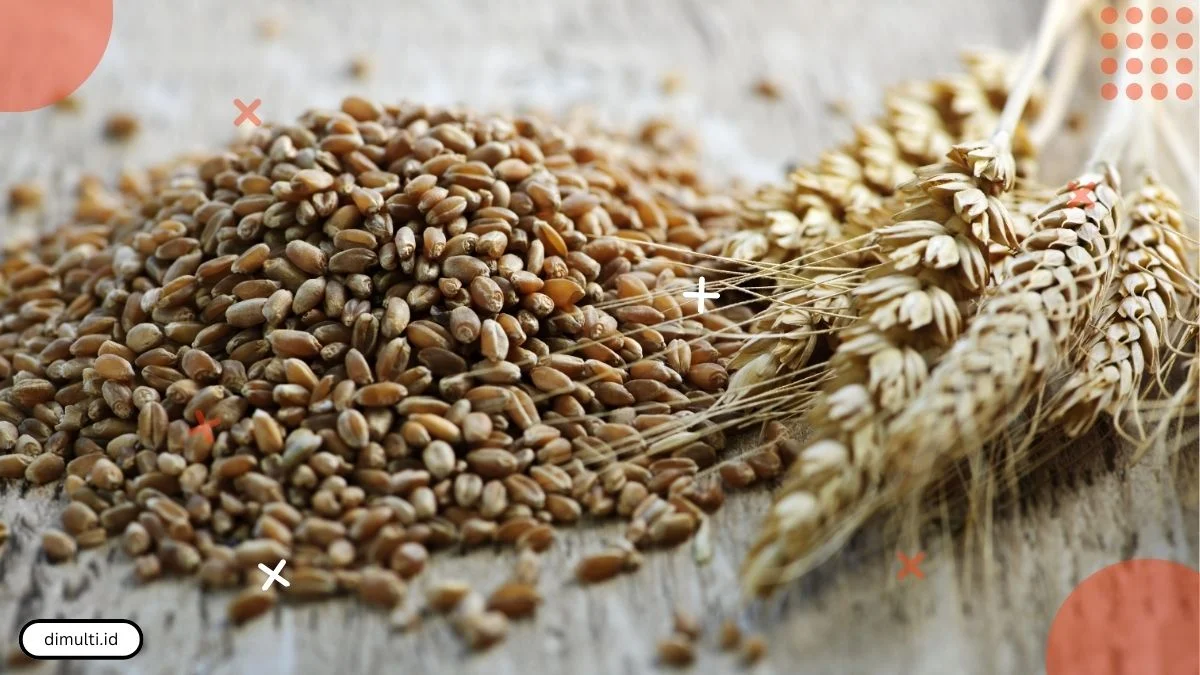
Whole wheat is wheat that still has complete parts, consisting of the skin (bran), the middle (endosperm), and the core (germ).
These parts are still relatively complete because whole wheat does not go through thorough processing like other wheat in general.
Thus, the nutrients contained in whole wheat are higher compared to refined wheat. Although there are some of wheat flour sold in the market that is fortified with additional nutrients to make it more nutritious, it is still more advisable to consume whole wheat.
How Whole Wheat Flour is Made?
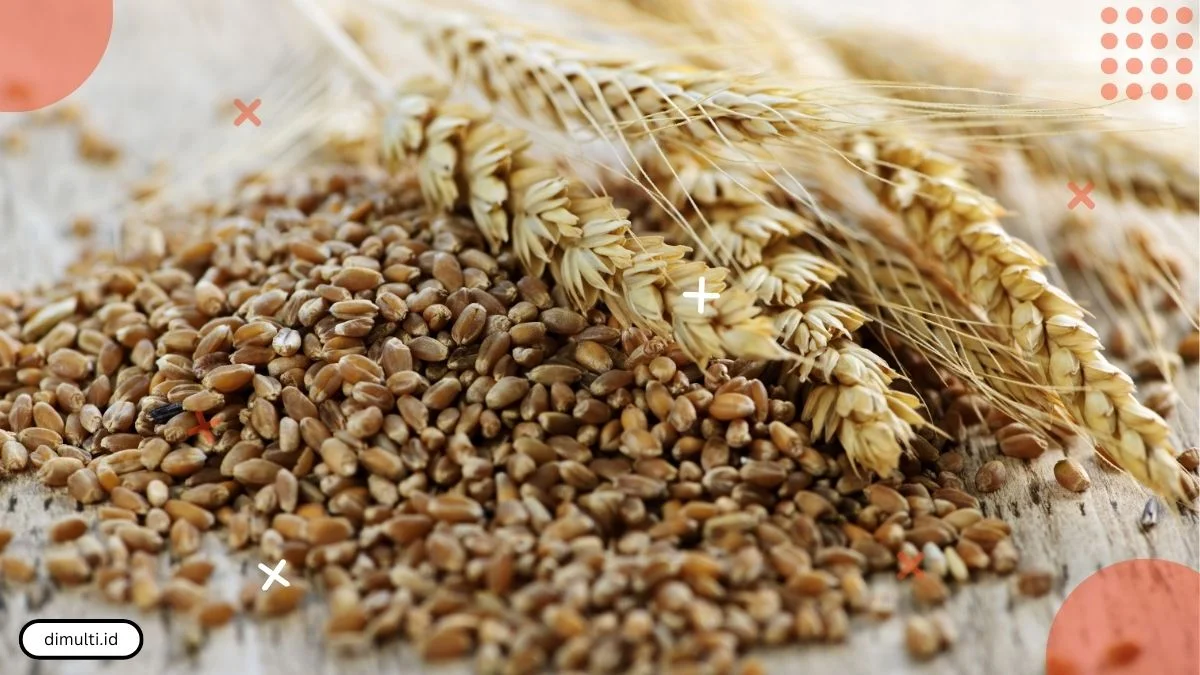
There are several steps that needs to be taken when making a whole wheat flour, here there are!
- Harvesting: Whole wheat is harvested from the field when the grain is ripe. Harvesting is usually done with a harvester or combine harvester that gathers the wheat from the plant.
- Cleaning: After harvesting, the wheat is cleaned of impurities such as dust, stones, and other unwanted grains. This process ensures that the wheat grains used in processing are clean and of good quality.
- Drying: Freshly harvested wheat may have high moisture content. To prevent spoilage and ensure quality, the wheat is dried to the optimum moisture content.
- Milling: In regular wheat flour, the flour is milled to separate the main components such as endosperm, germ (embryo), and bran (wheat skin). But in whole wheat processing, all parts of the wheat, including the bran and germ, are milled together, so the final product still contains all the nutrients and natural fibers of whole wheat.
- Packaging: The finished whole wheat flour is then packaged for distribution and sale. Good packaging helps maintain the freshness and quality of the flour until it reaches the consumer.
Also Read: “Types of Wheat“
Health Benefits of Whole Wheat

1. Rich in Fibers
While refined wheat flour contains almost no fiber, the whole wheat is rich in fiber, which is concentrated in the bran. The fiber content of whole wheat ranges from 12 – 15% of its total dry weight.
Because of its high fiber content, consuming whole wheat supports a healthier digestive system, and other than that, the high fiber content in wheat makes whole wheat also more filling.
The most abundant fiber in wheat hulls is arabinoxylan, which accounts for about 70% of the fiber there.
This arabinoxylan belongs to the hemicellulose group. While the rest is made up of cellulose and beta-glucan.
All of these fibers are insoluble fibers, meaning they do not dissolve in water and pass through the digestive system almost unchanged. Some of these insoluble fibers help the good bacteria in the gut.
Eating a diet high in insoluble fiber can help prevent hemorrhoids and also help women avoid gallstones.
2. Maintains Blood Sugar Level
One of the important minerals in whole wheat is magnesium. Magnesium is used by more than 300 enzymes in the human body, including enzymes involved in glucose utilization and insulin secretion.
Whole wheat is absorbed slowly by the body and then metabolized gradually, while processed wheat flour is absorbed by the body quickly.
This causes a spike in insulin and blood sugar. This factor is the reason why regular consumption of whole grains also reduces the risk of type 2 diabetes.
3. Lower The Risks of Macular Degeneration
Whole grains can also benefit your eye health. The low glycemic index of oats may help reduce the risk of age-related macular degeneration.
Macular degeneration is the leading cause of severe vision loss in people over the age of 60. In addition, the vitamin E, zinc and niacin found in whole grains can help improve eye health.
There you have it! The explanation and also the health benefits of whole wheat!
But did you know that wheat, especially in the form of flour, is in the mandatory list of things that needs to be certified before being sold and distributed in Indonesia?
The certification itself is called the SNI Certification, that regulates most if not all of the products and or services that are sold, distributed or provided in Indonesia.
This certification aims to give peace of mind to the Indonesian customers, knowing that the product that they bought has already been tested for its quality and safety.
And, for the regulation that regulates the wheat flour, it is clearly stated in SNI 375:2009.