

Difference Between Ceramic and Porcelain Tile – Thinking of sprucing up your home with floor or wall tiles? Look no further than ceramic and porcelain!
These popular choices, made from baked clay, are both known for lasting a long time, looking great, and being budget-friendly.
But while they might seem like twins, there are some key differences.
Also Read


Let’s dive into the difference between ceramic tile and also the pros and cons of ceramic and porcelain tiles to help you pick the perfect match for your project!
Porcelain
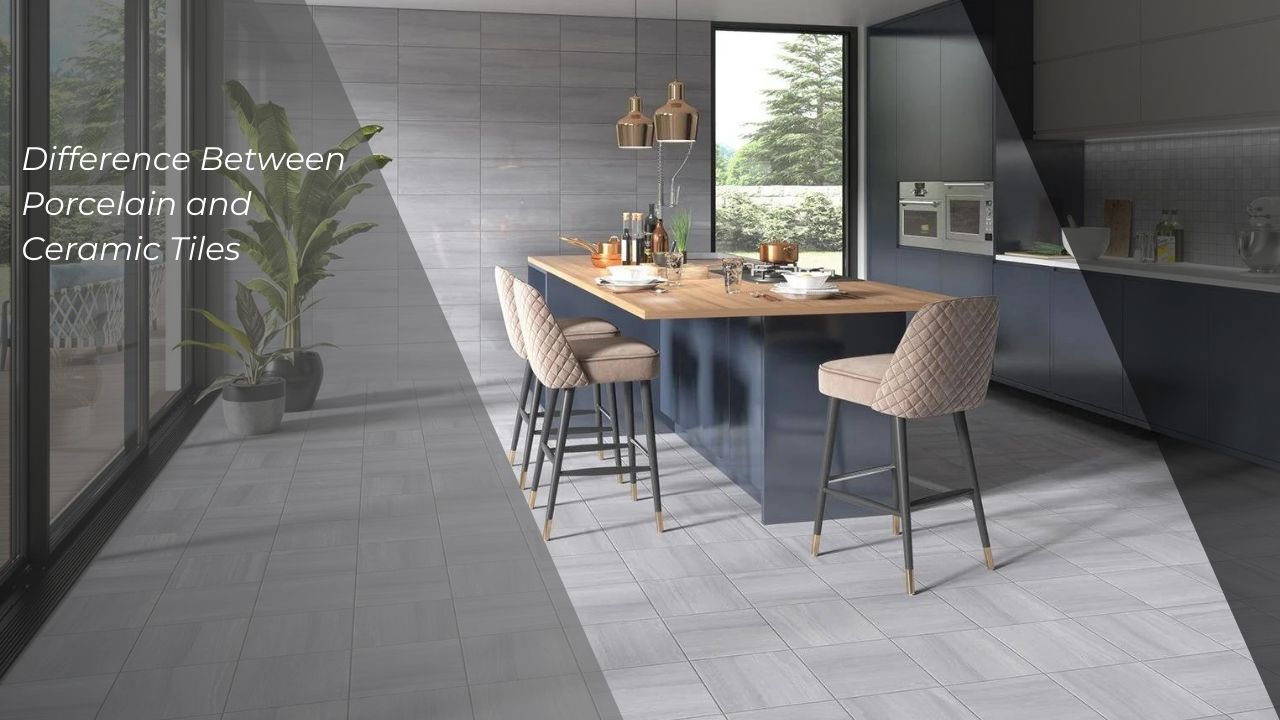
What is Porcelain?
While ceramic and porcelain tiles share the title of “ceramic,” porcelain takes home the gold medal for toughness.
Porcelain is crafted with premium clays and fired at even higher temperatures.This intense process results in a denser, sturdier tile that stands up to everyday wear and tear much better.
One major benefit of this superior density is that porcelain tiles absorb less water, making them ideal for moisture-prone areas like bathrooms and kitchens.
Porcelain also comes in two main varieties, each with its own strengths.
Through-bodied porcelain is like the ultimate incognito tile. The color and design aren’t just a surface layer, but extend throughout the entire tile. This means minor scratches or chips won’t show up as easily, making it a great choice for high-traffic areas. Plus, it skips the traditional glaze coating that can wear down over time, adding to its long-lasting appeal.
For those who love to have design options at their fingertips, glazed porcelain is a dream come true.
This type features a beautiful and durable glazed layer that comes in a vast array of colors and patterns.
While the glaze itself is tough, the underlying porcelain body also offers the same strength and density benefits as through-bodied porcelain, making it a versatile choice for most rooms in your home.
Also Read: “7 Types of Flooring Material“
What is Porcelain Tile Best Used For?
Porcelain tiles are best for bathroom floors as their superior toughness and low porosity make them more resistant to stains and water compared to ceramic tiles.
Since they’re tougher than ceramic tiles overall, porcelain tiles are also a great choice for high-traffic areas like kitchen floors and countertops, where they can handle the daily wear and tear with ease.
Pros of Using Porcelain Tile
Porcelain tile is built to endure. Thanks to its low porosity, it repels splashes, stains, and even icky bacteria and odors. So you can enjoy a beautiful, low-maintenance floor for years to come.
Cons of Using Porcelain Tile
While porcelain offers superior durability compared to ceramic tile, it comes at a slightly higher price tag (though still less expensive than natural stone).
This extra toughness can be a double-edged sword – it makes porcelain tiles incredibly long-lasting, but also trickier to cut during installation.
DIY enthusiasts beware: specialist tools are needed for clean cuts, and the special setting material required might be beyond what you have on hand for regular ceramic tiles.
If you’re looking for a flawless installation, consider hiring professionals to ensure your beautiful porcelain floor goes in smoothly.
Ceramic
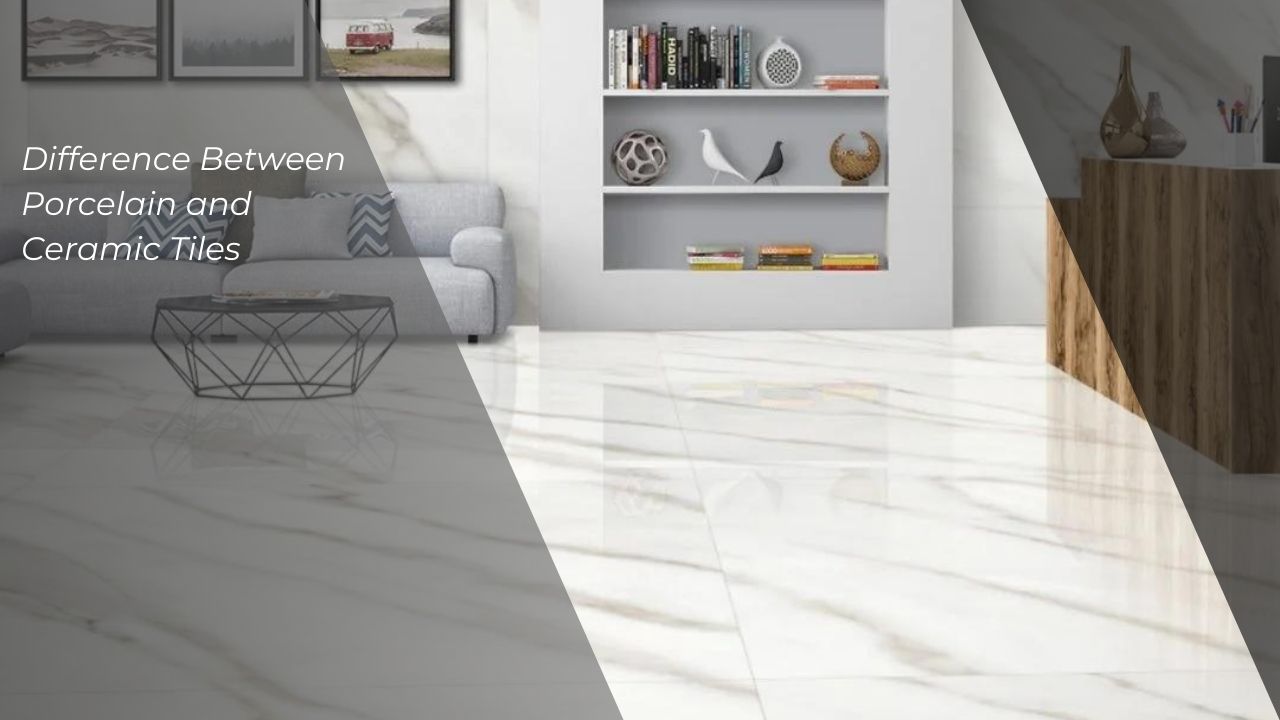
What is Ceramic?
Imagine colorful, long-lasting slabs – that’s ceramic tile in a nutshell! Made from baked clay and other natural materials, ceramic tiles are known for their affordability and impressive durability (especially compared to natural stone).
But beauty goes beyond function – with a wide range of colors, designs, and sizes, ceramic tiles can transform any space.
Think tiny mosaics for a unique touch, or go big with dramatic large-format tiles. No matter your preference, there’s a perfect shape and size out there.
Feeling creative? Mix and match colors or play with patterns for a personalized touch.
Ceramic tiles can even flow seamlessly across walls, countertops, or showers for a unified look in your home!
What is Ceramic Tile Best Used For?
One thing that stood up about ceramic tile is its versatility to be applied for your home! Walls, floors, countertops, backsplashes – you name it, ceramic can handle it.
Plus, it’s a champion against moisture, stains, and even icky bacteria and odors. Feeling the heat? Ceramic floors stay nice and cool, making them perfect for warm weather rooms.
Also Read: “11 Types of Tile Material For Your Home“
Pros of Ceramic Tile
Ceramic tile is a long-lasting trooper! It endures heavy use, water spills, and constant foot traffic for years to come.
Plus, unlike its super-tough cousin porcelain, ceramic tile is easier on DIY enthusiasts.
Since it’s softer, you can cut clean lines with a basic tile cutter, making it a breeze to install yourself.
And the best part? This versatility allows you to use ceramic tile in practically any room of your home!
Cons of Ceramic Tile
While ceramic tiles are fantastic, they do have a softer side compared to porcelain. This means they might be better suited for low-traffic areas that don’t see a lot of action.
Here’s another difference: ceramic tiles are like little sponges – they absorb liquids more easily than porcelain.
This trait, also known as porosity, means they can stain and need cleaning more often.
If you have the budget and are thinking about tiling a wet area like a bathroom, porcelain might be a better choice for the long haul!
So, there you go: the difference between porcelain and ceramic tiles.
The one thing that you should always remember is that you need to choose the tile (whether it’s porcelain or ceramic tile) that is already certified with an SNI certificate.
This certificate ensures that the tiles that you choose are up to Indonesian standard for quality and safety reasons.