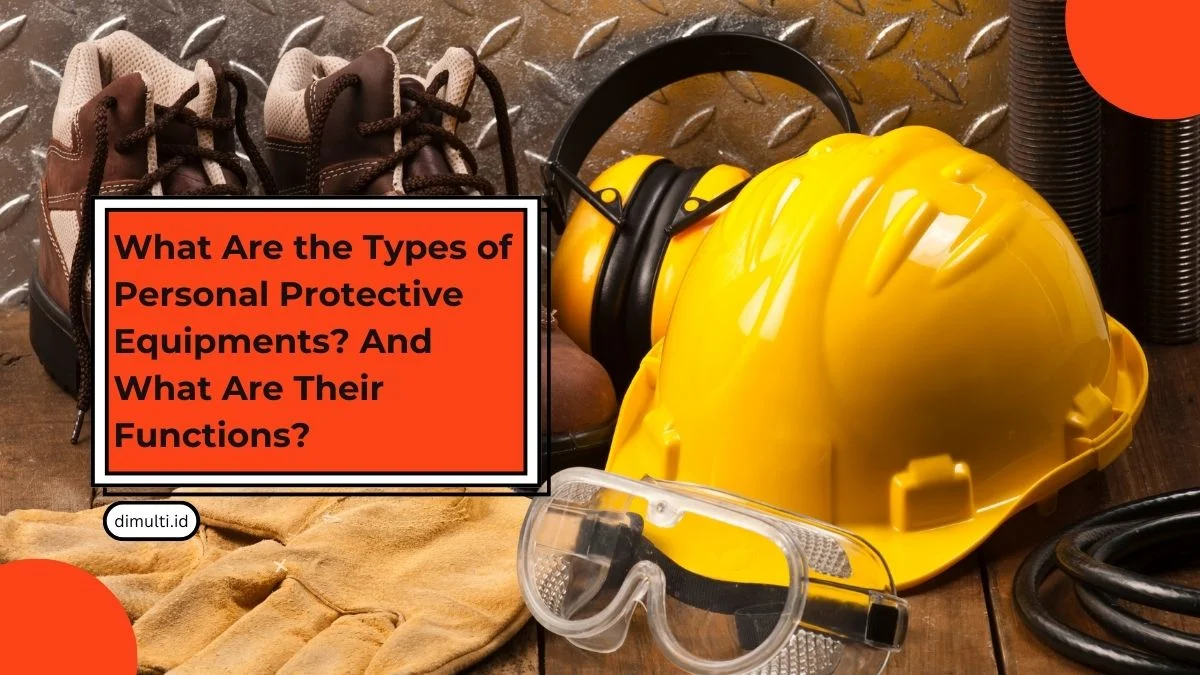
13 Personal Protective Equipment that you should know to ensure your safety in a variety of working environments!
When operating in an industrial environment or construction project, safety must clearly be the top priority.
High-risk working conditions often require the use of proper self-protection equipment.
Also Read


In this article, dimulti will review the different types of personal protective equipment as well as their functions to ensure that you remain safe in a variety of situations.
So let’s start learning about what personal protection equipment should be used and the functions of each of them below!
What is Personal Protective Equipment?

Personal protective equipment (PPE) is equipment or devices specially designed to protect workers from various risks and dangers that may occur in the work environment.
The PPE plays an important role in maintaining the physical safety of workers and preventing injury or illness from work.
They are designed to provide additional protection or security in a variety of risky work situations.
Although PPE types are vary, the objective is always the same, it is to reduce potential risks and ensure that workers can perform their duties safely.
The use of PPE is also an important part of compliance with occupational safety regulations so that a safer and healthier working environment can be created.
Types of Personal Protective Equipment

1. Safety Helmet
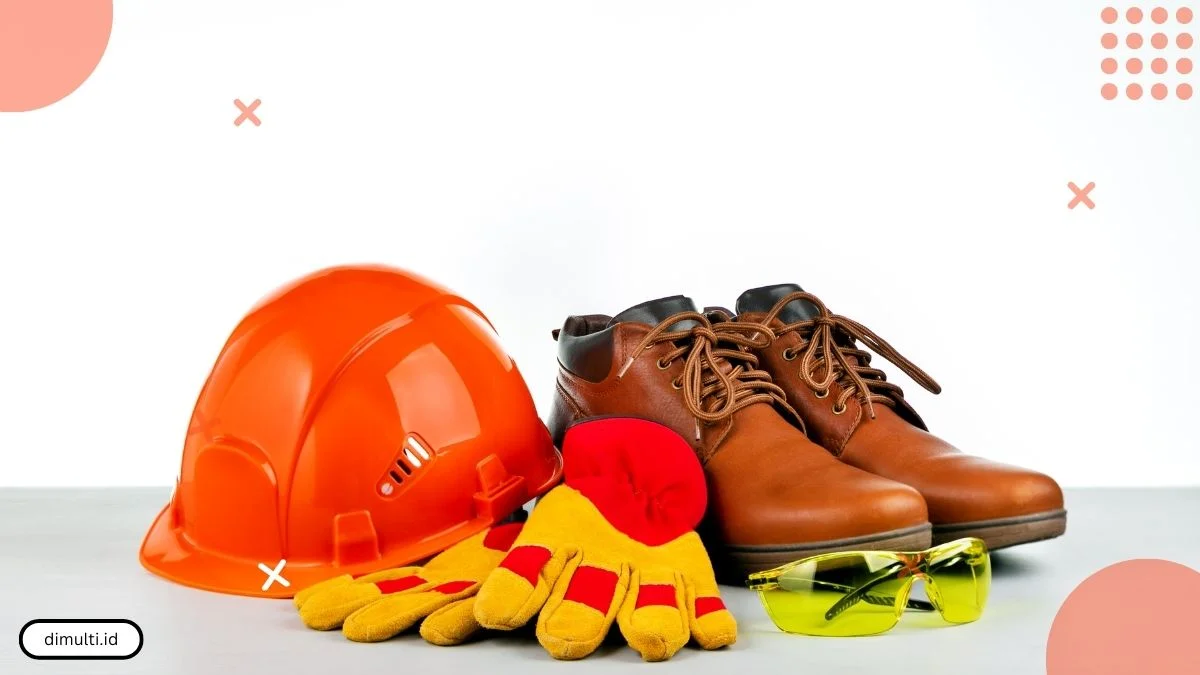
Head protectors or safety helmets are protective devices designed to protect the head of the worker from potential hazards such as falling or falling hard objects, as well as from extreme weather conditions such as rain or hot sunshine.
There are different color code for safety helmet used in construction that you can check the meaning on our other article down below!
2. Safety Goggles
Safety glasses or safety goggles protect workers’ eyes from splashes of harmful chemicals, dust, or dust that can cause eye irritation or injury. These eye protectors can also provide protection from UV rays and harmful radiation.
3. Respiratory Mask
Respiratory masks also include protective devices that protect workers’ breathing from dust, smoke, toxic gasses, smells of chemicals, and harmful particles present in the workplace air. They help maintain the quality of the air inhaled by workers.
There are many different types of respiratory protective devices, including masks, respirators, and stools, as well as a canister, a respirator with a hose, a rebreather, a diving tank, a self-contained breathing apparatus (SCBA), and an emergency respiration apparatus.
4. Safety Gloves
Safety gloves protect workers’ hands from hazardous chemicals, heat, cold, or potential injury when working with a tool or sharp material. They are also used to avoid cross contamination.
There are types of safety gloves that you can check on our other article down below!
5. Vest
Safety vests provide extra protection to the worker’s body from splashing hazardous substances or injury when working in a risky environment. They are often used in environments with the risk of spilling harmful liquids or splashes of chemicals.
6. Safety Shoes
The next one on our list of types of personal protective equipment is the safety shoes. Safety shoes protect workers’ feet from hard objects that can fall or stumble during work, as well as provide protection from electrical hazards and hazardous chemicals.
There are types of safety shoes that you can check on our other article down below!
7. Ear Muff or Ear Plug
The ear muff serves to protect workers’ hearing from excessive noise in the workplace up to 85 dBA, preventing hearing damage from noise.
The ear plug is a smaller and more practical ear plugs than the ear muff. It has the ability to reduce noise by up to 30 dBA, but it can generally only be used once.
There are types of ear muff that you can check on our other article down below!
8. Falling Safety Harness
Fall protectors are used to prevent workers from falling from height. They include a variety of protections such as seat belts, harnesses, and other special protections.
9. Face Protectors
Face protectors are obviously useful for protecting the face of workers from work accidents such as splashes of hazardous material or debris that may occur during the work.
They are often used by workers involved in welding or processes that produce fire sparks or sharp objects.
Other than that, the face protectors or face shields used in laboratory serves different functions as well, you can check it on our other article down below!
10. Back Support
Back protectors support the back of the worker when lifting heavy loads and prevent back injuries. They are used by workers who often lift or carry heavy loads.
11. Elbow and Knee Pads
The elbow and knee pads provide additional protection to the elbows and knees of workers when working in dangerous or hazardous environments. They are often used by workers who have to kneel at work.
12. Neck Protectors
Neck protectors are types of PPE that provide additional protection to the neck of workers when in dangerous environments or when working with hazardous equipment. They are often used in welding or work involving heat exposure.
13. Life Vest
In some workplaces, a protector must be available as a standard Self-Protection Tool. Its function is to protect a person working on the surface of water or on the water from falling and drowning. Some commonly used clothes include a life jacket and a safety jacket. (life vest).
There you have it, the 13 types of personal protective equipment to implement on every working condition.
The PPE is mandatory to ensure every workers’ safety especially in high-risk working environments such as industry, construction and laboratory.
Through understanding each and every PPE, you can minimize the risk of accident.