
10 Generator Components and Their Function – A generator set is a device that plays an important role in providing a backup power supply when a major power source is disrupted or can’t be functioning well.
To fully understand how the generator operates, it is important to know its main components.
These components form an integrated system that works together to generate reliable power.
Also Read

One of the key components is the power plant, which acts as the “heart” of the generator and turns the mechanical energy from fuel into electricity.
In addition, the control system plays a vital role in controlling the overall operation of the generator, including monitoring the temperature, pressure, and speed of the engine.
Other than that, a generator’s alternator is used to convert the mechanical energy of the engine into usable electrical energy.
In this article, we will dive deeper into each of these components and how their harmonious interaction creates reliable and efficient power sources.
So, without further ado, let’s take a look at 10 generator components and their function!
Generator Components
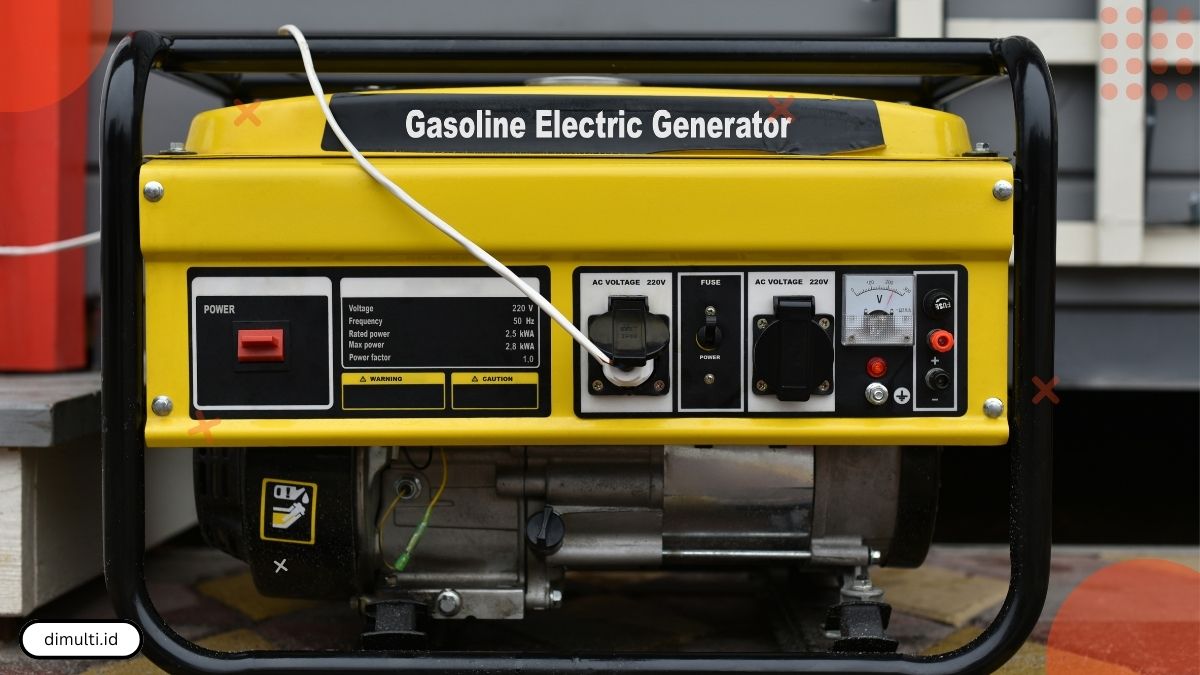
Generator is a device that converts mechanical energy into electrical energy. This process is based on the basic principle of electromagnetism, which involves the interaction between the magnetic field and the conductor wire.
Generators work by creating a relative motion between the magnetic field (which can be derived from a permanent magnet or an electrically generated field) and the curvature of the wire.
Generator sets or generators consist of several components that work together to generate electricity.
Here are some of the main components of the generator and its functions:
1. Engine
Generator engines are the main components of a generator set that is responsible for converting chemical energy from fuel into mechanical energy.
Through the use of fuel such as diesel, petrol, or gas, these engines generate the voltage power required to rotate the generator rotor.
The reliability and efficiency of this machine is crucial to the overall performance of the generator set.
2. Alternator
A generator, also known as an alternator, refers to a component that converts mechanical energy generated by a motor into electric energy.
The basic principle is electromagnetic induction, in which the motion of the rotor produces a change in the magnetic flow that triggers the flow of electric current in the curvature of the stator wire.
The capacity and efficiency of the generator affects the power that can be generated.
3. Stator
The stator is a part of the generator and contains a copper wire with hairpin technology winding technique.
When the rotor rotates, there is a cut between the magnetic field generated by the rotors and the curve of the stator wire, causing the occurrence of a current.
A good stator design is essential to ensure the efficiency and quality of the electricity generated.
Also Read: “What is an Inverter Generator? And What are Its Functions?“
4. Rotor/Armature
A rotor or armature refers to the rotating part of a generator. The armature is the winding (or set of windings) of an electric machine which carries alternating current.
The rotational motion of the rotor creates changes in the magnetic flow in the stator, which subsequently produces an electric current. The design and material of the rotor affects the performance and reliability of the generator
5. Control Systems
The control system is the brain of the generator set. This component has the function to monitor and regulate various operating parameters such as temperature, pressure, and engine speed.
Along with careful monitoring, the control system ensures that the generators work within safe and efficient limits, and are able to respond to load changes quickly.

6. Fuel System
The fuel system provides the necessary fuel to power the engine. This involves storage, flow adjustment, and fuel supply to the engine as needed. The reliability of the fuel system is crucial in maintaining the smooth operation and performance of the generator set.
7. Cooling System
The cooling system plays a critical role in keeping the engine temperature of the set generator within safe limits.
Through the use of various methods, such as air cooling or liquid cooling, the system prevents overheating that can damage the engine components and ensures stable operation in the long term.
8. Lubricating System
The duty lubrication system provides lubricants to machine parts to reduce friction and heat generated during operation.
This lubricant helps improve efficiency, relieve wear and tear, and extend the life of machine components effectively.
Because, with good maintenance, the lubrication system contributes to the reliability and performance of the generator set.
9. Battery
The battery on the generator set serves as a backup resource for the electric starter system and the electronic control system. When the generator requires power to start the engine or to power the control and monitoring system, the battery provides the required electricity.
10. Motor Starter
The generator engines require additional power boost to start the generator. The starter system uses energy from batteries or external resources to rotate the generator so that it can enter normal operating mode.
Once the engine is turned on successfully, the generator set can generate its own electricity. The starter motor is usually involved in the control series and is activated by the start button on the control panel of the generator.
Also Read: “9 Tips on How to Make a Generator Quiet“
There you have it! The 10 generator components along with its function!
In summary, the components of the generator set work together to provide a reliable power supply with each element playing its own key role. Quality and good integration between components are the key to the success of the generator set.
In choosing the generators, make sure to look for the one with an SNI logo on it, as the generators with the SNI logo on it, have been tested for its quality and safety.
The SNI itself is a product approval and certification to ensure that every product and service that are sold and distributed in Indonesia has already met the Indonesian standards and regulations.
Before being issued by the SNI certificate, those said products need to undergo a rigorous set of tests to determine its quality and safety aspect.
There are few items that are mandatory to be certified by the SNI certification as you can see HERE.
Other than that, the SNI certification also covers a lot of products in a lot of industries, ranging from automobiles to agriculture.
It is also recommended to put the SNI logo on your product aside from the mandatory list above.
So, as for business owners, having the SNI certification on your product can be so beneficial for your business.
The SNI certification can be used as a key selling point for your product, and it can also be used to boost the trust from the Indonesian market to your product.
If you’re interested in that subject, kindly check the info below!
- Address: Jl. H. M. Tohir Jl. Margonda No.15, Pondok Cina, Kecamatan Beji, Kota Depok, Jawa Barat 16424 (Google Maps)
- Phone Number: (021) 27843242
- E-Mail: info[at]narmadi[dot]com