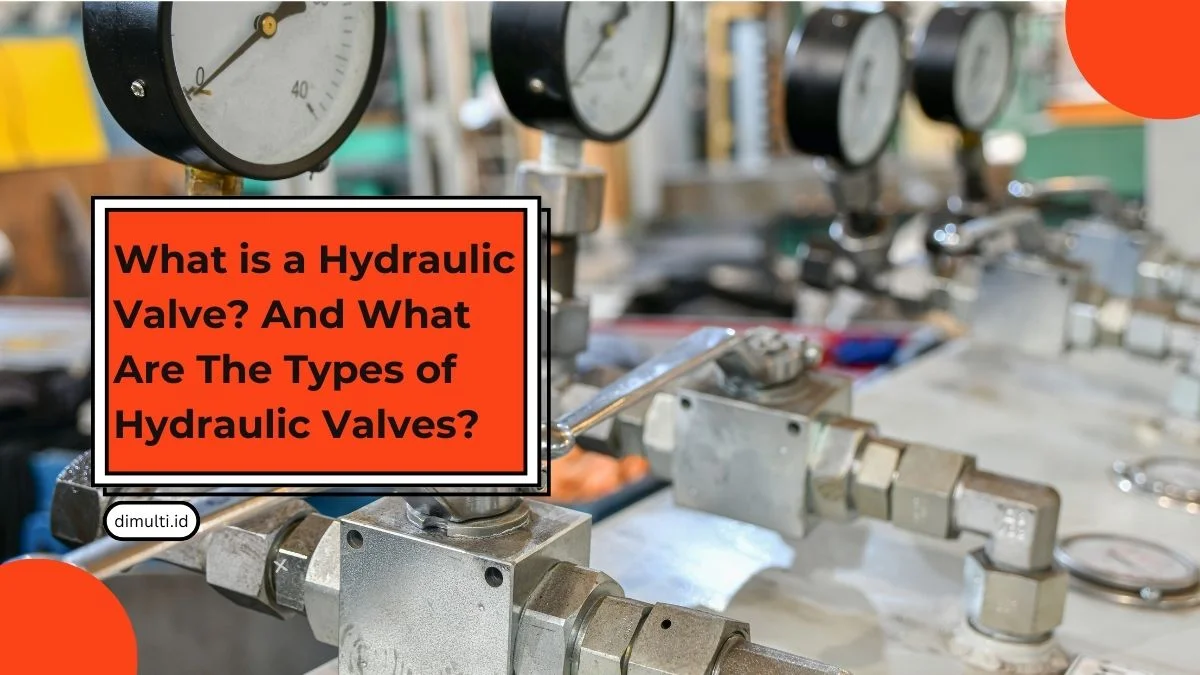
What is a hydraulic valve? What are the types of hydraulic valves used in a hydraulic system? Get the answer here! Only at dimulti.id!
Hydraulic systems are fundamental systems that are used in the various industries to provide the power needed to move heavy machinery.
These systems relies on a variety of components to ensure it functions effectively and one of the components that is crucial to the hydraulic systems is the control valves.
Also Read

So what is a hydraulic valve? And what are the types of hydraulic valves? Buckle up and let’s get into it!
What is a Hydraulic Valve
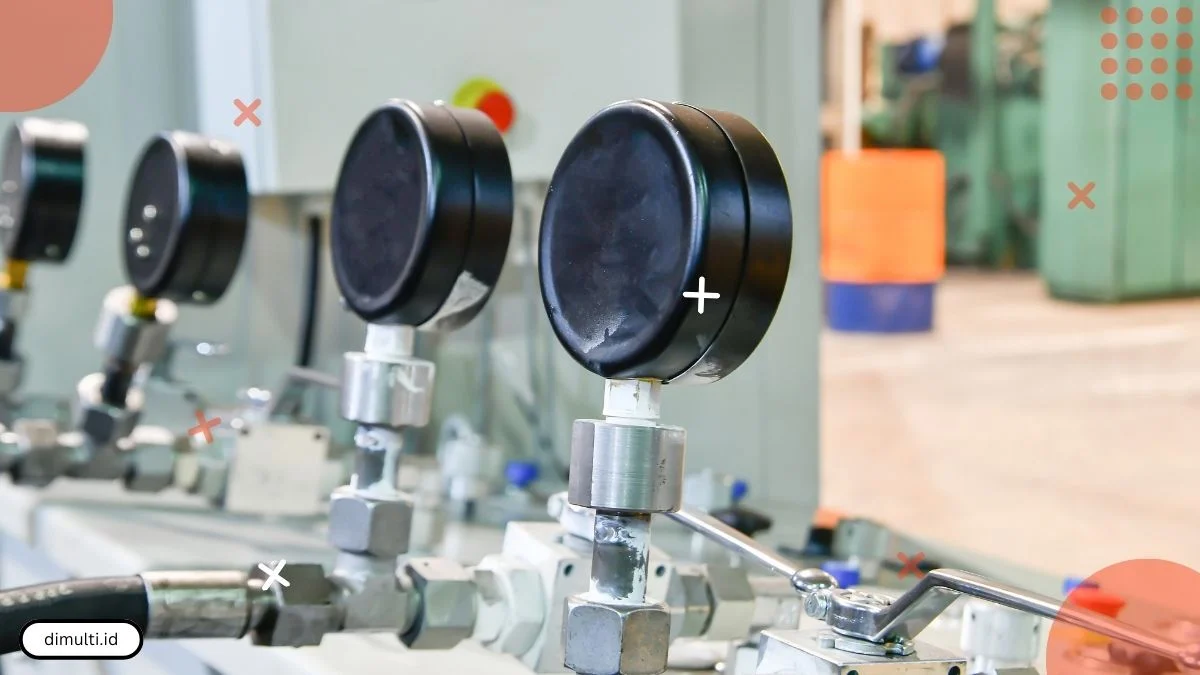
Hydraulic valves are an important component in a hydraulic system that functions to control the direction, pressure, and flow of fluids in hydraulics.
They serve to direct the hydraulic fluid to the desired place under the right pressure. Hydraulic valves work by using fluid pressure to open or close, thus regulating the flow of the fluid.
The principle of operation of a hydraulic valve involves three important aspects; the separation of fluid flow, fluid control, and the mechanism of opening and closing the valve.
First, the hydraulic valve functions to separate the flow of fluid. When the valve is in a closed position, the fluid cannot flow through it. However, when the valves are opened, the liquid can flow through the Valve and reach the targeted part of the hydraulic system.
Second, the hydraulic valve controls fluid flow. By changing the position of the valve spool, the amount of fluid that passes through the valves can be adjusted. This allows control of pressure or flow speed in the hydraulic system.
Finally, a hydraulic valve has an opening and closing mechanism that is regulated by a change in hydraulic pressure. When the hydraulic pressure applied to the valve reaches the threshold, the valves will open or close, depending on the design and function of that valve.
These are the components of hydraulic valve that plays a crucial role in the hydraulic systems
- Body: Is the external parts of the valve that serves as an housing to the components inside the valve.
- Spool: Is the component that functions as a fluid flow control.
- Sleeve: It’s the part that circles the spool and separates the fluid flow.
- O-Ring: Used to prevent fluid leakage between valve components.
- Spring: The spring gives the valve’s spool a force, so that the valves can return to their original position after being pressed.
- Pilot Valve: These valves control the fluid flow that moves the spool of the main valve. Pilot valves are often used in complex hydraulic valves to regulate and control the flow more precisely.
- Actuator: This component is responsible for moving the spool. The actuator can be a solenoid, hydraulic piston, or other mechanical component, depending on the type of valve and its application.
- Filter: These components are important for maintaining fluid hygiene in the hydraulic system. The filter prevents particles and dirt from entering the valve and interfering with its performance.
Also Read: “What is a Hydraulic Reservoir?“
Types of Hydraulic Filters
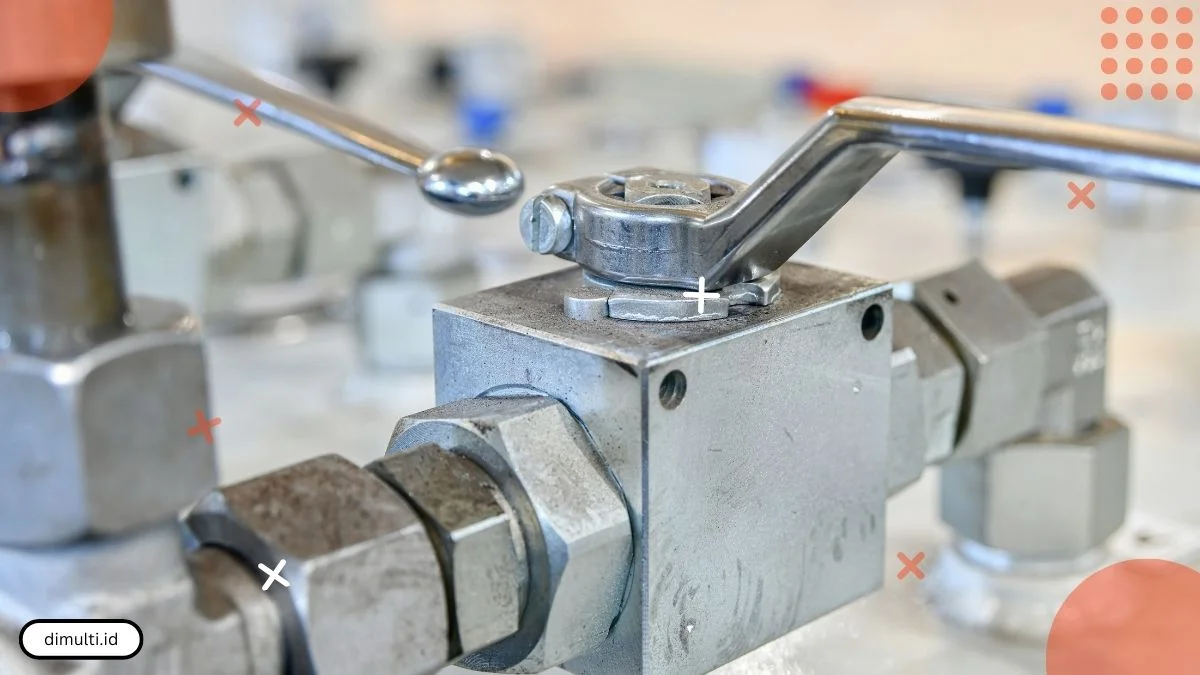
There are three types of hydraulic valve: the directional control valves, pressure control valves and flow control valves.
Each type serves a specific purpose in regulating hydraulic fluid within the system:
1. Directional Control Valves
As its name suggests, the directional control valve is responsible for controlling the direction of fluid flow.
These valves serve whether the hydraulic fluid should flow to or from an actuator.
There are various subtypes of the directional control valves:
- Check Valve: Also known as one-way valves, is the most simple type of directional control valve. As its name implies, it allows fluid to flow only in one direction thus preventing reverse flow.
- Spool Valves: The most versatile types of directional control valves and also being the most common one used in hydraulic systems. It consists of a round spool that moves within its housing. Spool valves can be further classified into various configurations, such as 2-way, 3-way, and 4-way, depending on the number of ports they have.
- Ball Valves: Ball valves regulate the flow of hydraulic fluid by use of a spherical ball. Fluid can flow through the ball when it is positioned in line with the flow channel; when the ball is turned to obstruct the flow, the fluid’s motion is stopped. Ball valves are renowned for their low maintenance needs and quick reaction times.
2. Pressure Control Valve
As the name implies, pressure control valves are made to maintain and adjust pressure levels in hydraulic systems.
These valves are essential for maintaining system stability, safety, and preventing overpressure in the system.
There are also few types of pressure control valve:
- Relief Valve: In hydraulic systems, relief valves are the most used kind of pressure control valves. By returning extra fluid to the reservoir, they are intended to restrict the system’s maximum pressure. This guarantees safe functioning and stops harm to system components.
- Pressure Reducing Valves: The pressure reducing valves is like the counterpart of a relief valve. The reducing valves reduce the incoming pressure from the power source.
- Sequence Valves: Sequence valves are used to ensure that hydraulic actuators or components operate in a specific order. They allow the flow of hydraulic fluid to one actuator only when a predetermined pressure level is reached in another actuator.
3. Flow Control Valves
Flow control valves regulate fluid flow speed in hydraulic systems. They regulate the speed of movement of hydraulic actuators, making them essential for applications that require precise motion control.
The main types of flow regulator valves are:
- Throttle Valve: The throttle valve, also known as the flow control, serves to control the flow speed by narrowing the fluid canal. By adjusting the valve opening, the operator can control the speed of the hydraulic actuator.
- Proportional Valves: By modifying the valve’s opening in proportion to an electrical input signal, proportional valves provide more precise control over the flow rate.
Also Read: What is a Hydraulic Filter? What is It Use For?“
So there you have it! The explanation of “what is a hydraulic valve?” along with the functions, and types of the hydraulic valves itself!
One thing that is worth noting is that the hydraulic system is one thing that needs to be certified by the SNI certification.
The SNI certification itself is a type of product approval that applies to almost every product and service sold and provided in Indonesia.
The product that is about to be issued by the SNI certification has to undergo a rigorous set of tests to determine its safety and whether or not the product is within the Indonesian standards.
To have your product certified by the SNI certification is so important and has a lot of benefits, as the product that has been certified and has an SNI logo on it will boost the trust from the Indonesian market for the said products.