

What are the causes of clogged drain? There are several things that can cause your drain to be clogged, such as mineral crusts, organic matters, or even greases and oils.
Drain is a closed channel designed specifically to flow water from one place to another. You must also know how a water pipe works and what it’s for.
But do you know how to deal with a clogged water pipe? What should you do if the water pipes in a house or building are clogged?
Also Read


Before you learn more about how to deal with a clogged water pipe, you need to know if water pipes can be made of a variety of materials, including PVC, iron, copper, or steel pipes.
They can have different diameters and lengths depending on the use needs and the volume of water to be delivered.
So, what are the causes of clogged drain? Let’s get the explanation that we’ve prepared just for you only at dimulti.id!
5 Most Common Causes of Clogged Drain

1. Mineral Buildup
The water sometimes carries minerals such as calcium and magnesium that can accumulate overtime and form a crust in your drain.
These minerals can accumulate and cause a narrowing of the water flow inside your drain’s pipes.
Worst case scenario? These crusts can further accumulate and totally block your water system and make repairing even harder.
2. Sediments
Things like dust, dirt and even mud can also be the cause of your drain to be clogged.
You might not notice it in a short period of time, but as the time goes by these sediments can accumulate and finally clog your draining system.
3. Causes of Clogged Drain: Organic Matters
Things like fats and grease that you pour down to your kitchen drains each day can be other factors that cause your drain to be clogged.
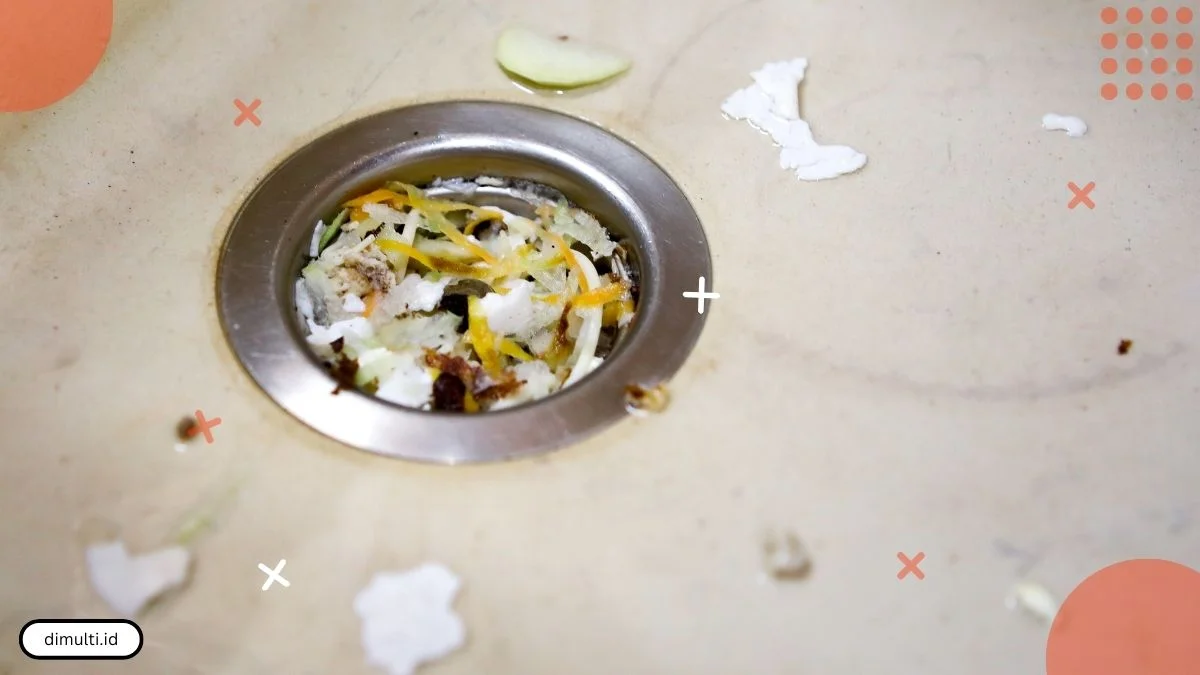
Other than that, you might also never want to put a large amount of food scraps down to your drain, as it can clog your drain.
Human or pet hair can also binded with the grease and other sticky substances that wash down to your drain can also clog your drains.
4. Corrosion
Water pipes made of metal such as iron or copper can suffer corrosion over time. When a pipe is corroded, the inside of the pipe can harden and form a rust crust that narrows the water flow.
5. Wipes
Unfortunately, one of the things that can cause a clogged drain is the habit of throwing disposal wipes right into your drains.
Most wipes don’t dissolve and can form a tough clogs inside toilets, and drain pipes, even the so-called “flushable” wipes are recommended to throw it out in the bin.
Also Read: “7 Types of Plumbing Pipes“
How to Unclog Your Drain
1. Use a Drain Cleaner Liquid
The first step is to try the pipe cleaning fluid available at the household appliances store. Follow the instructions on the product label.
Normally, you need to pour the fluid into a clogged pipe and leave it for a few hours or overnight.
Pipe cleaning fluid can soften or loosen clots, including clots formed by hair or other solid material. This allows clots to more easily get rid of the pipe walls and then pushed out as water flows.
2. Clean the Filters
For a sink, or bathtub that has a filter plate above the drain hole, open the filter plate. Cleanse the remnants of dirt and hair that may cause a clog. Then, reinstall the filter plates.
Filter plates or sewage hole covers serve as filters to prevent dirt and hair from getting deeper into the pipes.
Therefore, a lot of dust and hair is caught in these filter plates which in turn can cause blockage in your drains over time.
3. Use a Pipe Cleaning Wire
If the pipe cleaning fluid is not sufficiently effective, you can try using a pipe cleaner wire. Insert this tool into the pipes and try to remove the stains but be careful not to damage the pipe.
The pipes cleaning wire can help loosen or destroy the dirt that sticks to the pipeline wall and push it out.
4. Use Pipe Water Jet
The high-pressure water jet is a tool that can help you to clean the pipe with strong water pressure.
Insert the device into the clogged pipe and press the button to release the high pressure water.
The high-pressure water is equipped with a pump that creates a very high water pressure. This high pressure can force the water through the pipe with a sufficient force to remove dirt, hair, and other things that may form inside the pipe.
5. Use Plunger
A plunger is a simple tool that can help overcome a clog. Fill the sink or bathtub with a little water to create a “seal” around the plunger.
Place the plunge over the drain hole and press hard, then pull. Then repeat a few times to help push the blockage out.
The reverse-pressure movement generated by the plunger can interfere and release the residue that forms inside the pipe such as dirt, hair, or foreign objects that block the pipe.
This makes it easier to push or pull the wreck out of the pipes.
6. Open and Manually Clean the Pipes
If all of the above attempts fail, you may need to open the pipe. Make sure you have turned off the water supply before proceeding.
Remove the pipe and clean it carefully using a tool such as a straight wire or a pipe cleaner. After cleaning the pipes, reinstall it tightly.
When the pipe is seriously blocked or there is a very strong blockage, this method is more effective than any other method. You can treat the blockage directly and make sure everything is clean.
7. Call a Professional Plumbers
If all of the above attempts fail, or if you’re not sure how to deal with it, it’s best to call a professional plumber.
They have the equipment and knowledge needed to handle a more serious pipe problem.
Professionals are usually equipped with special equipment and tools designed to cope with a clogged pipe.
They can use these tools properly to clean and remove clogging, including high-pressure pipe cleaners, special cleaning devices, pipe inspection cameras, and more.
So there you have it! The most common causes of clogged drain alongside the tips on how to deal with the clogged drains!