
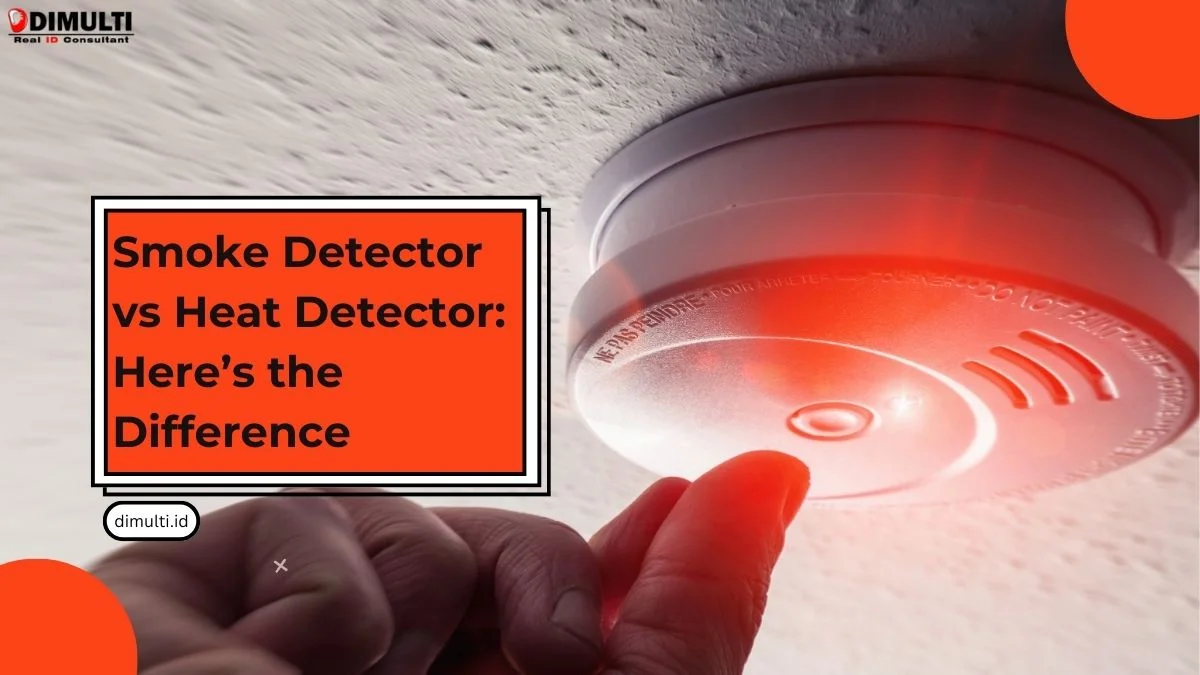
Smoke Detector Vs Heat Detector – In a fire alarm system, there are various types of detectors that you can find.
Each detector has a different way of working and function. One of them that is commonly used is the heat detector and smoke detector.
Both have an important role in detecting and providing early warning of the threat of fire, but each has a different way of working and use.
Also Read


This article will take a deeper dive into the differences between heat detectors vs smoke detectors to help you choose the right device for your safety needs.
Smoke Detector Vs Heat Detector
How Does It Work
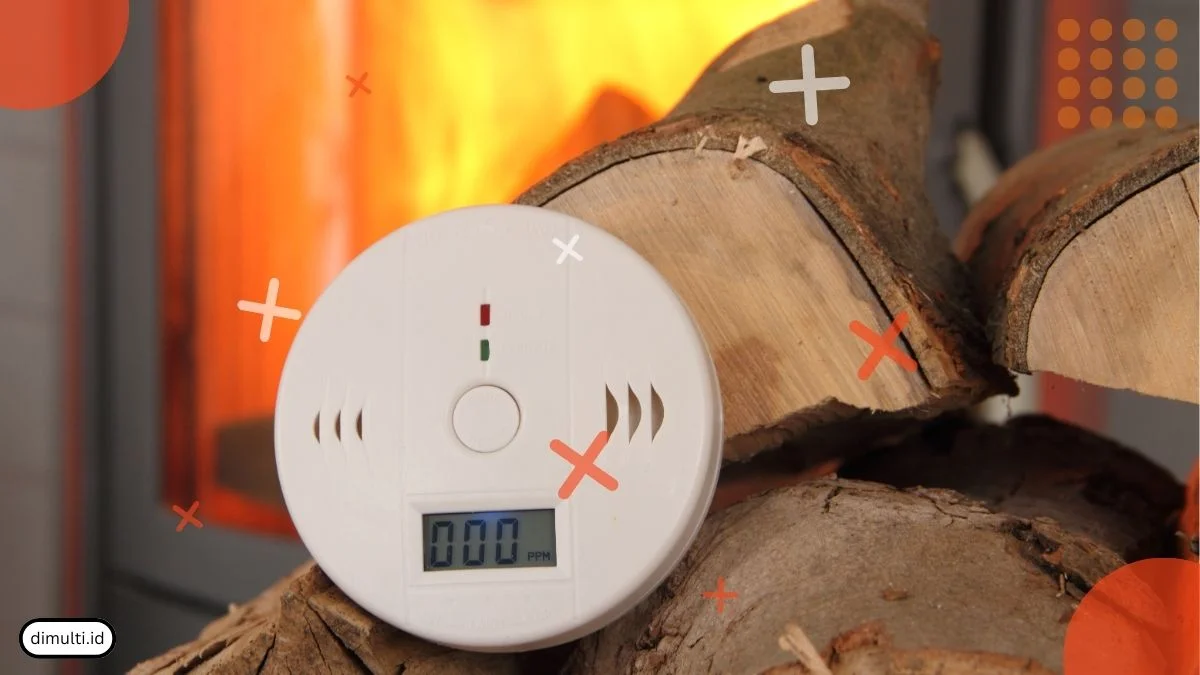
- Heat Detector: Heat detectors work by detecting significant temperature changes in the area where the detector is installed. When the temperature rises beyond the specified threshold, the heat detector will send a signal to the control panel to activate a warning alarm.
- Smoke Detector: Smoke on the other hand works by detecting smoke particles in the air around the area where the detector is installed. When smoke particles are detected by the device’s sensors, the smoke detector immediately sends a signal to the control panel to activate a warning alarm.
Pros and Cons of Smoke Detector Vs Heat Detector
1. Smoke Detector
Here are the pros of smoke detector:
- Smoke detectors are able to detect fires early, giving occupants of a home or building more time to escape or extinguish the fire before it spreads.
- Smoke detectors are generally equipped with a very loud audible alarm, providing a clear warning to occupants to take immediate evacuation action.
- Smoke detectors are available in various models that are easy to install, either with adhesives, bolts, or others, so that the installation process can be done quickly and effectively.
- The wide variety of smoke detectors on the market allows you to find one that fits your budget without having to sacrifice quality and safety.
- Smoke detectors have the ability to be interconnected, so if one detector detects smoke, all detectors in the network will also sound, alerting the entire area or floor of the building.
- Modern smoke detectors can also be connected to home security monitoring systems, giving the ability to monitor fires remotely and receive notifications directly through a smartphone or other device.
And here are the cons of smoke detector:
- Although smoke detectors are designed to detect smoke, they can suffer from misdetection under certain conditions, for example, if the detector is too close to the kitchen area which is often at risk of generating smoke from cooking.
- Installing and maintaining a smoke detector is rather costly depending on the type. In addition, it is necessary to keep it clean from dust and replace the battery periodically. For connected systems, additional maintenance may be required to ensure that everything is working properly.
- Improper placement of the smoke detector in the room can reduce its effectiveness. For example, installation near doors or air vents will reduce its ability to detect smoke quickly.
2. Heat Detector
Here are the pros of heat detector:
- Not Prone to False Alarms: Heat detectors are not susceptible to false alarms caused by smoke or dust, as may be the case with smoke detectors.
- Resistant to Harsh Environments: They function well in environments with extreme temperatures or high humidity, making them suitable for use in a variety of conditions.
- Suitable for Dusty or Smoky Environments: Heat detectors are suitable for dusty or smoke-filled environments that might trigger false alarms in smoke detectors.
- Long lasting: Has a longer lifespan than smoke detectors.
And here are its cons!
- It takes longer to detect a fire than a smoke detector.
- May not be fast enough to detect fires that spread very quickly.
Also Read: “Fire Alarms Keep Beeping? Here’s What You Need to Know!“
Best Spot to Place Smoke Detector and Heat Detector
1. Smoke Detector
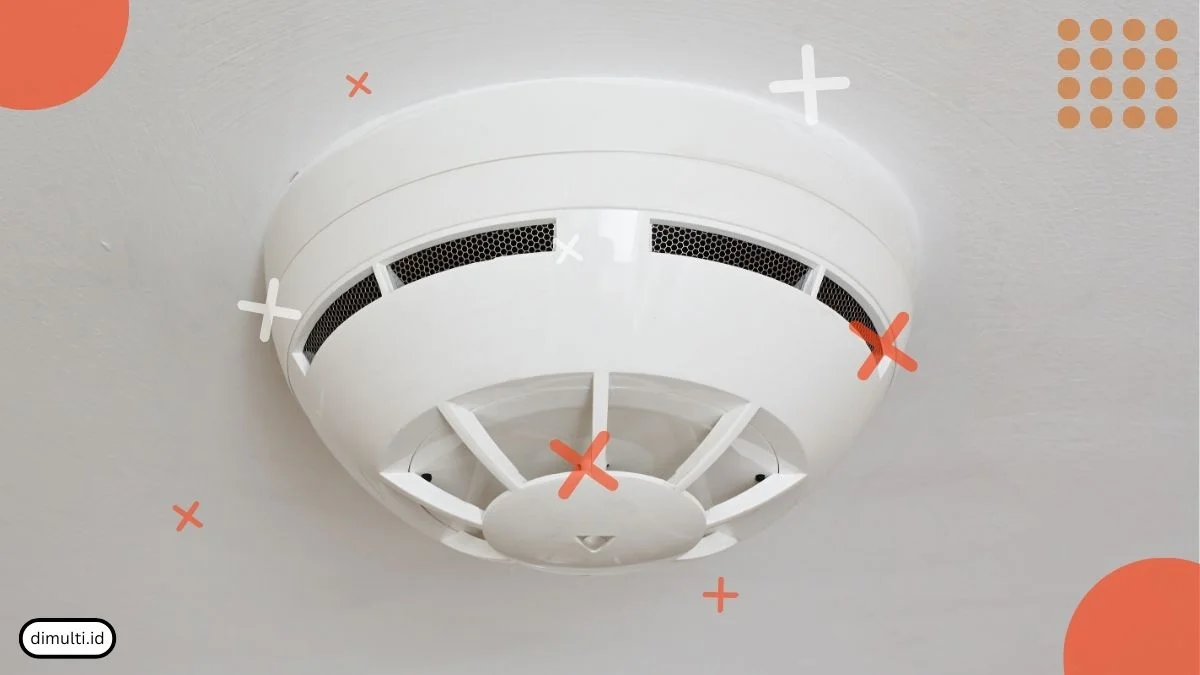
Smoke detectors are perfect for spots where fires are likely to produce smoke, like corridors, bedrooms, and living rooms.
By installing them in these areas, you boost your home’s safety and ensure early warnings if a fire breaks out.
Catching smoke quickly can make all the difference in keeping everyone safe and minimizing damage.
Plus, having smoke detectors in these key locations is a smart part of any fire safety plan. Hallways can let smoke travel fast, so it’s essential to cover those areas.
And in bedrooms, they can wake you up if a fire starts while you’re asleep. Overall, placing smoke detectors wisely can really help keep you and your loved ones safe in case of an emergency!
2. Heat Detector
Heat detectors are great for areas with electrical equipment, heating appliances, or spots that can experience rapid temperature increases, like kitchens or machine rooms.
They’re designed to respond quickly to sudden heat, making them ideal for places where traditional smoke detectors might not be as effective.
Installing heat detectors in these locations helps catch potential fire hazards early on, giving you a better chance to act before things escalate.
Whether it’s a malfunctioning appliance or a cooking mishap, having heat detectors in strategic spots can significantly enhance safety and provide peace of mind.
So there you have it! The differences between smoke detector vs heat detector for you to ensure you and your family’s safety!