
Signs of a Leaking Propane Tank – A leaking gas tank at home is very dangerous because it can cause fires, explosions, and even health problems.
Therefore, it is important to know the signs of a gas leak at home so that you can anticipate as early as possible before something unwanted happens.
So, in this very special occasion, we will dive into the signs of a leaking propane tank. And because this is very important information, make sure you read it up until the end!
Also Read


Signs of a Leaking Propane Tank

1. Unpleasant Odor
One of the easiest signs of a gas leak to recognize is the presence of a pungent and unpleasant odor.
This gas odor tends to spread throughout the house, but will be felt most strongly in the kitchen area or rooms close to the source of the leak.
2. Hissing Sound From the Tank
Furthermore, another way to detect a gas leak in your home is by noticing a hissing sound. If you are unsure, putting your ear close to the gas tank can help confirm where the sound is coming from.
If the hissing sound is indeed coming from the gas tank, the right step is to immediately remove the regulator to prevent greater potential danger.
Quick and appropriate action is essential in these situations to keep you and those around you safe.
3. Gas Appliances Cannot Function Properly
Gas leaks cause gas-powered appliances to malfunction. Therefore, if your stove or heating appliance is not functioning as usual, suspect it is caused by a gas leak.
Usually, this sign is followed by an unusual hissing sound and a strong smell of gas.
4. The Flame From the Gas Stove Does Not Burn Steadily
The color of the flame on the stove can also be a sign of a gas leak. Ideally, the flame from a gas stove is blue in color and burns steadily.
If the flame is not blue and burns irregularly or weakly, then this could indicate a gas leak or other problems with the stove. Make repairs as soon as possible.
Also Read: “What is LPG? Everything You Need To Know About LPG“
What to Do When Gas Leaks Happen?
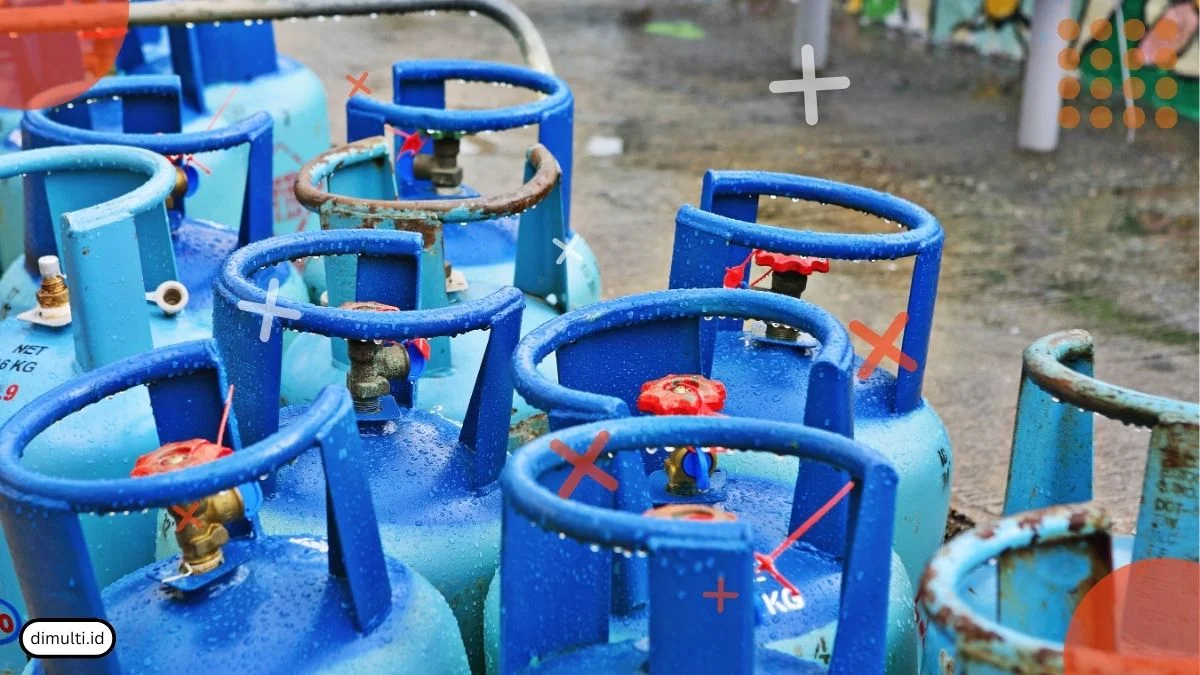
If you find signs of a gas leak as mentioned above, evacuate immediately. Leave the location quickly and calmly, and make sure all family members are out of harm’s way.
Next, avoid flames, sparks, or electrical devices near gas.Any source of fire can cause a dangerous explosion in a gas-filled area.
Do not use lighters, matches, electrical switches, or other electrical appliances. Also, avoid using cell phones or any devices that risk sparks.
If possible, open all the windows and doors to allow air circulation and help eliminate the gas in the house quickly.
And on top of that do not hesitate to contact professionals such as the fire department to help deal with gas leaks at home.
So there you have it! The signs of a leaking propane tank that we’ve summarized just for you.
It might sound trivial, but a gas leak is one thing that you cannot overlook. The gas leak can lead to an explosion and fire that’ll cause a lot of losses, whether it’s a property or even lives lost.
With that being said, the one thing you can do is a preventive measurement, such as using quality propane equipment such as hoses and regulators.
SNI standard is one thing that you can rely on in Indonesia when choosing the right high quality propane equipment.
The SNI is a type of product approval that regulates almost all of the products that are sold and distributed in Indonesia.
And for the propane-related equipment, it is mandatory to be tested and certified by the SNI certification according to the already set standards.
The standard itself is clearly stated in:
- SNI 7213:2014: About rubber hose for LPG gas stove
- SNI 1590:2008: LPG steel tube valves
- SNI 7369:2012: Low pressure LPG regulator
- SNI 1452:2011: LPG steel tube
- SNI 7368:2011: Single furnace LPG gas fuel stove with mechanical ignition system
- SNI 7617:2013: LPG cylinder
- SNI 7614:2010: LPG steel tube high pressure regulator
- SNI 8022:2014: LPG stove thermoplastic elastomer hose