How to choose the right safety shoes? Well, there are some things that you need to consider such as the soles, certification and many more!
In a work environment, especially one that is fraught with hazards, safety is a top priority. One important aspect of maintaining safety is by using the right Personal Protective Equipment (PPE), including safety shoes.
These shoes are specially designed to protect the feet from various hazards, such as falling objects, sharp objects, chemical liquids, and electric shock.


Understanding how to choose good safety shoes is not just about following regulations, but also about investing in your long-term health and safety.
And on this occasion, we have summarized 7 ways to choose good safety shoes that you can use as a reference in choosing the safest and most comfortable safety shoes for various industrial needs. Let’s take a look at the full description down below!
How to Choose the Right Safety Shoes?
1. Know Your Needs
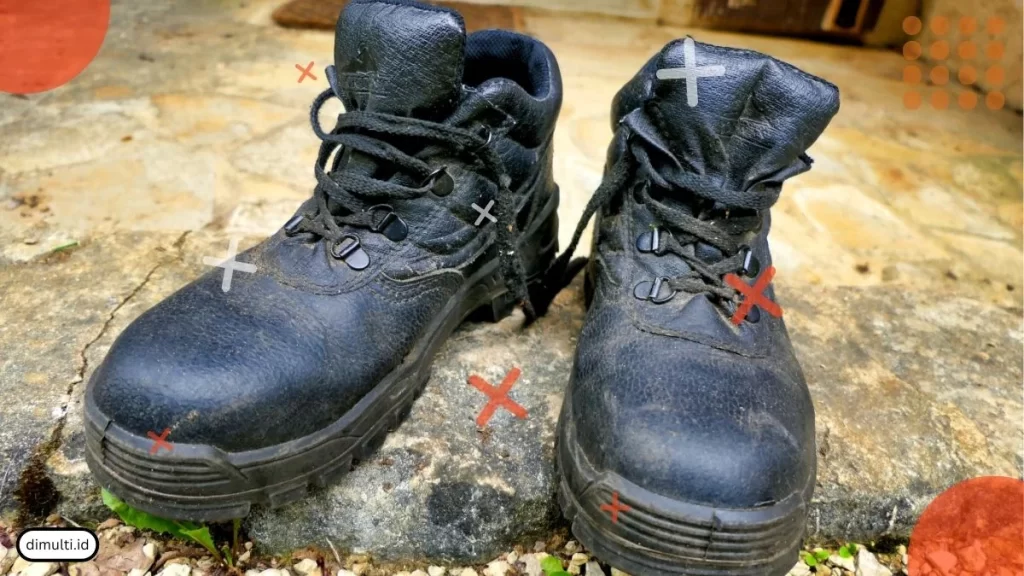
The first step in choosing the right safety shoes is to understand the types of hazards you may face in the workplace.
Consider your work environment: do you work in an area with a lot of falling objects, such as a factory or warehouse?
Or perhaps you’re in a wet and slippery area, such as a restaurant or construction? Knowing these risks will help you determine the necessary features in your shoes, such as toe protection, non-slip soles, or waterproof materials.
2. Choose the Right Size
Safety shoes that are too big can cause your feet to slip and trip, while shoes that are too small can cause pain and discomfort.
Be sure to try on safety shoes before buying and choose the size that fits your feet.Here are some tips for choosing the right size of safety shoes:
- Measure the length of your foot from your heel to the tip of your longest toe.
- Add 0.5 cm to 1 cm of extra space in front of your toes.
- Try on the safety shoes with the socks you normally wear at work.
- Make sure the shoes feel comfortable and do not put pressure on your feet.
Also Read: “How to Take Care of Your Working Boots“
3. Consider the Materials
Safety shoes are available in a variety of materials, each with its own advantages and characteristics.
Leather is a popular choice due to its high durability and good protection against sharp objects and impact.
Leather shoes also tend to be durable and easy to maintain, although they may require some break-in time to feel more comfortable.
On the other hand, suede offers a higher level of comfort and flexibility, making it ideal for everyday use.
While not as tough as leather, suede still provides adequate protection in certain work environments.
Meanwhile, shoes made of fabric are usually lighter and breathable, making them a good choice for areas that require good air circulation, especially in hot conditions.
4. Check the Soles
The soles of safety shoes should be made of durable materials and have good grip to prevent slipping.Choose soles that are suitable for the floor conditions where you work:
- Dry Floors: Choose rubber or polyurethane (PU) soles for durability and good grip.
- Wet Floors: Choose a rubber sole with a deep tread pattern for optimal grip.
- Oily Floors: Choose rubber soles with special grooves to prevent slipping on oily surfaces.
- Slippery Floors: Choose a non-slip sole, such as rubber with a deep tread pattern or TPU with special grooves.
5. Toe Protection
Look out for important toe protection features in safety shoes to ensure your safety in the workplace.
One key feature is the toe cap, which is designed to protect your toes from falling or impacting objects.
These toe caps are usually made of strong materials such as steel or composite thus providing much-needed additional protection in high-risk environments.
The steel midsole plate is another important feature, as it protects the foot from punctures by sharp objects that may be present on the surface.
This is especially important if you work in areas with hazardous materials or uneven surfaces.
Don’t forget to consider the anti-static feature, which can help prevent electric shock and reduce the risk of fire in sensitive work environments.
6. Comfort
The next thing to consider is the comfort of your shoes.
No matter how much protection it provides, having an uncomfortable shoe can be a nightmare especially if you’re planning to use it for a long time during working hours.
Make sure the shoes of your choice have a great cushion and leave enough space for your feet to move around without sacrificing any comfort.
7. Certification
Yes, safety shoes also needed to be certified by certain certification to prove it’s effectiveness to protect you from certain hazards.
There are several institutions that regulate the standards of safety shoes. In Indonesia, we have the SNI certification that regulates the standards of safety shoes.
The regulation and standard of the safety shoe is clearly stated in SNI 0111-2009, SNI 7037-2009 and SNI 7079-2009.
There you have it! A guide for how to choose the right safety shoes for you!