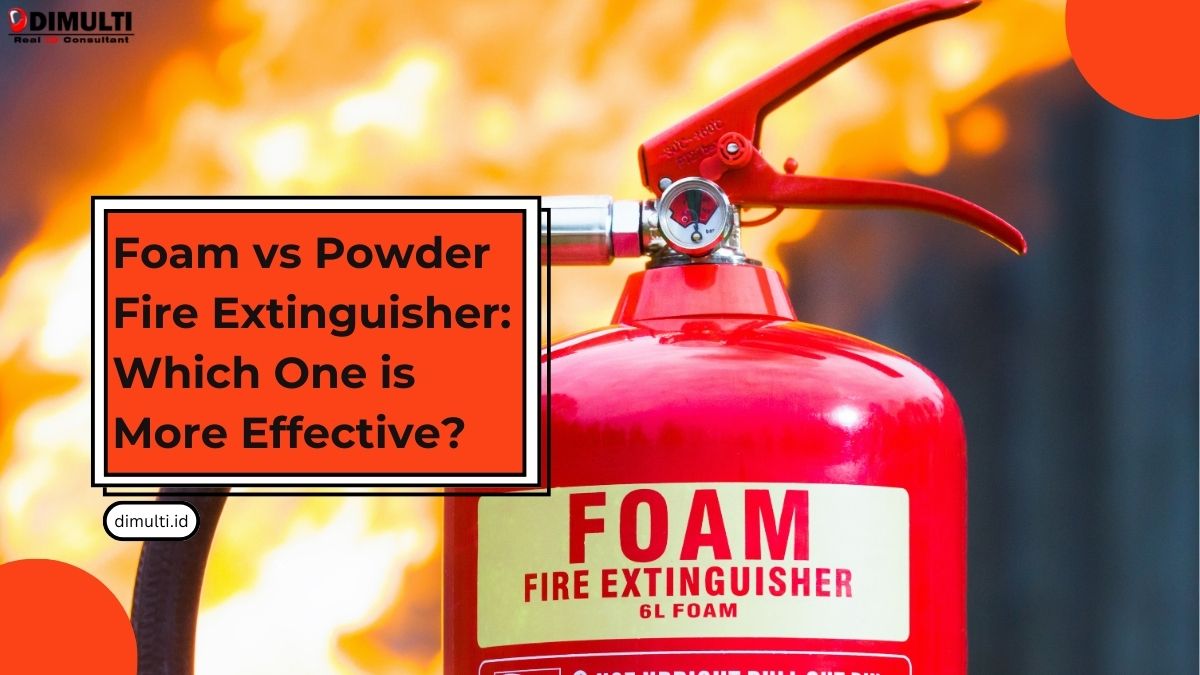
Foam vs Powder Fire Extinguisher – One type of fire extinguisher that is widely used is fire extinguisher foam and powder.
So, what’s the difference between foam and powder fire extinguishers? Although both are fire extinguishers, it turns out that these two types of fire extinguishers have several differences.
The most basic difference between foam vs powder fire extinguishers is the type of fire extinguisher media used.

Foam fire extinguishers use foam, while powder fire extinguishers use chemical dry powder. But there’s something more to it, check out the full explanation down below!
Table of Contents
Differences Between Foam vs Powder Fire Extinguisher
1. Class of Fire that Can be Covered
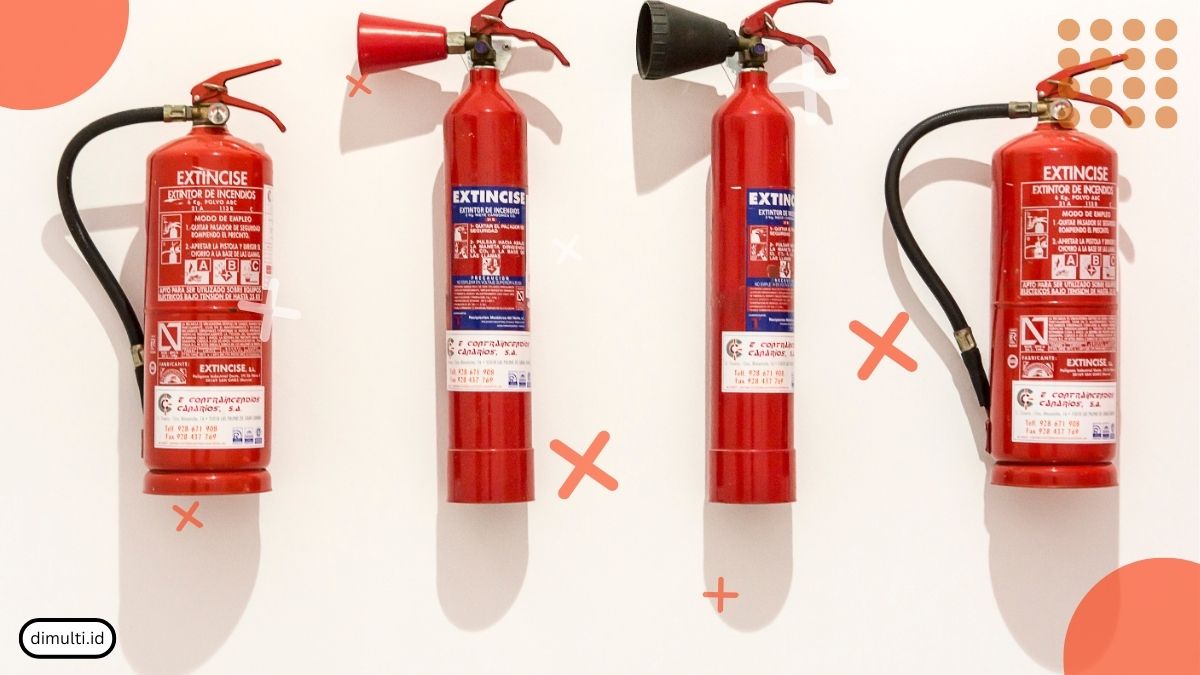
Foam fire extinguisher is a type of fire extinguisher that uses Aqueous Film Forming Foam (AFFF) media.
A powder fire extinguisher uses dry chemical powder media, which is a combination of ammonium sulfate and mono-ammonium phosphate.
The foam and powder fire extinguisher can be distinguished based on the class of fire they protect.
Fires are divided into several classes based on their causes. Fire classes in Indonesia are divided into 4 types, namely class A, B, C, and D fires.
- Fire Class A: caused by flammable solid objects such as wood, rubber, cotton, paper, cloth, etc.
- Fire Class B: caused by flammable liquid and gas objects such as oil, gasoline, grease, alcohol, LPG gas, etc.
- Fire Class C: occurs due to problems in electrical installations such as electrical short circuit, malfunction of electronic devices, or electrical short circuit.
- Fire Class D: caused by flammable metal objects such as lithium, magnesium, potassium, sodium, etc.
With the explanation above, the foam fire extinguishers work effectively in dealing with class A and B fires, but are prohibited from being used to deal with class C fires.
While powder fire extinguishers can be used to deal with class A, B, C fires.
2. Working Principle
The way the foam fire extinguisher works is by cooling and completely covering the entire fire point.
This is quite different to the powder fire extinguisher that works by covering the fire point, thus separating oxygen from other fire-forming elements (heat source and fuel).
After triggering the fire extinguisher, the foam fire extinguisher media will come out and cover the burning material.
The foam media will reduce the surrounding oxygen. The water content in the foam media will also evaporate due to heat, thus cooling the heat source.
In extinguishing the fire, the fire extinguisher will work in two ways. First, it covers the fire point so that it does not get oxygen supply.
Second, it separates or breaks down the fuel from other elements in the fire triangle.
Also Read: “Fire Extinguisher Maintenance According to the SNI Certification“
Foam vs Powder Fire Extinguisher: Which One is More Effective?

Both fire extinguisher foam and fire extinguisher powder are capable of working effectively in extinguishing fires.
Both types of fire extinguisher will work well to tackle fires according to the type of fire and the area being protected.
A foam fire extinguisher is widely used as fire protection in the gas and oil industry because it works quickly in extinguishing fires originating from liquid materials, such as oil.
Whereas the powder fire extinguisher powder is recommended for the protection of public spaces and businesses, such as schools, offices, hospitals, places of worship, malls, fire extinguishers, hotels, factories, retail stores, etc.
Although both can work effectively, foam and powder fire extinguishers both have disadvantages.
Both types of fire extinguishers leave residue after use. Residual fire extinguishing agents can damage sensitive equipment.
That’s why these two types of fire extinguisher, especially the foam one, are not recommended to use in a variety of rooms that contain electrical components, such as server rooms, electrical panel rooms, etc.
So, foam and powder fire extinguishers will work effectively if used properly according to standards.
Therefore, fire extinguisher owners must understand the type of fire extinguisher needed according to the area to be protected in order to provide safe and optimal protection.
Also Read: “SNI Certification for Fire Extinguisher“
There you have it, the foam vs powder fire extinguisher for your consideration!
Knowing this might be important to get a better understanding about how this life-saving device works.
Other than that, did you know that a fire extinguisher is one of the things that is mandatory to be certified by the SNI certification?
Because of its important and crucial function in protecting us and the surrounding area from fire, it is no surprise that there are strict rules about the fire extinguisher that regulate its quality and safety aspects.
There is not only one regulation that regulates the fire extinguisher. Well, some of them are:
- SNI 04-39:2013: Regulating the CO2 fire extinguisher
- SNI 04-38:2013: Regulating the foam fire extinguisher
- SNI 04-37:2013: Regulating the powder fire extinguisher
- SNI 03-3987-1995: Procedure for Planning, Installation of Light Fire Extinguishers for Fire Hazard Prevention in Houses and Buildings.
- SNI 03-3988-1995: Testing of Extinguishing Capability and Assessment of Light Fire Extinguishers.
- SNI 19-0180-1987: Portable Fire Extinguisher of Low Carbon Steel.