
How to choose a propane gas hose for your safety? Find the answer here in our article!
Propane is a highly versatile energy source for use in households or industrial applications.
One of the components of a propane system is the propane gas hose itself. The gas hose serves as a channel for the fuel inside the propane to flow to be further processed for various purposes.
Also Read


Well, a propane gas hose is an important and crucial thing for us to consider, as choosing the right one can be crucial for your own safety.
So, how to choose a propane gas hose? Get the explanation down here!
Table of Contents
Things to Consider for a Good Gas hose
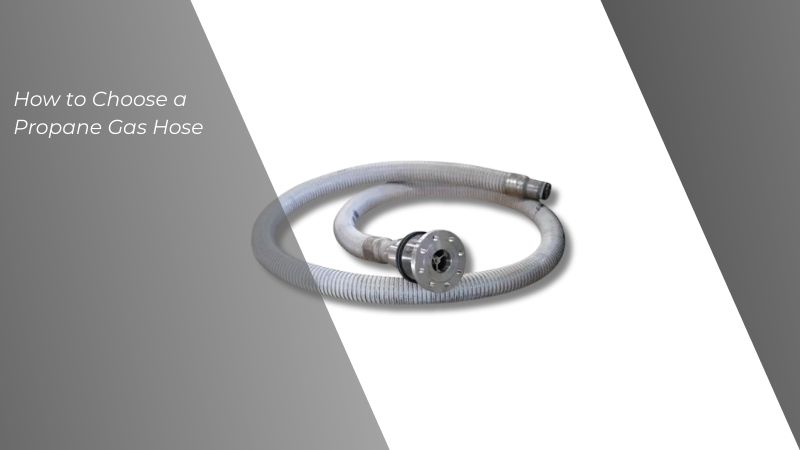
1. Gas hose Materials
The material of the gas hose plays an important role in determining the quality of the gas hose. Different kinds of gas hose material possessed unique properties so it is important to understand the characteristics of the material in a particular use or medium.
As for a hose made of metal, it is often considered ideal for applications when permeability is the primary concern. This material tends to be strong and corrosion resistant, as well as able to withstand high pressure.
2. Friction Resistant
The next characteristic of a good gas hose is its ability to withstand friction.
Over time, friction that occurs during routine use can cause wear and even structural damage to the hose. Therefore, having a strong and thick hose is a long-term investment.
3. Pressure Resistant
One aspect that should not be overlooked when choosing a gas hose is its ability to withstand gas pressure. The fairly thick and layered hose walls indicate a higher level of safety against internal pressure.
Also, an additional protective layer that a gas hose may possess also affects the gas hose’s ability to withstand pressure.
Some hoses are already equipped with additional layers, such as special fibers that give extra strength to the hole structure.
4. Strong Inner Thread
The structure of the hose is supported not only by its basic material, but also by the threading that stretches along its inner parts.
Generally, the closer and denser the thread is in the thread, the better the quality. The thickness and strength of the thread creates an additional protective layer thus providing resistance to the pressure that may be experienced during use.
5. Heat Resistant
Heat resistance is another important factor, especially for the use of a gas hose in high temperature conditions.
A good gas hose must be able to withstand the heat from the gas flowing in it, as well as the temperature of the surrounding environment.
This becomes important, especially if the hose is used in an industrial environment or other extreme conditions.
Also Read: “Types of Gas Hoses“
Tips on How to Choose a Propane Gas hose
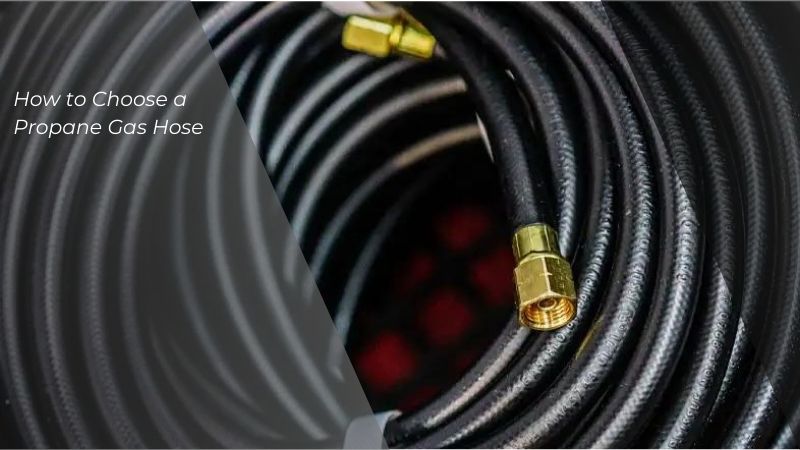
After knowing the elements of a good gas hose, let’s dive into the main aspects to consider before buying one!
1. Choose the Right Size
The size of the regulator plays an important role in choosing a suitable gas hose. Be sure to match the size of a regulator with the gas hose you are going to buy.
This will ensure smooth gas flow and avoid potential leaks or mismatches that could be dangerous.
2. Certified With A National Standards
Basically, a gas hose must pass the standard test before it is sold and marketed.
In Indonesia, the LPG gas hose must be SNI certified, for example the SNI 7213:2014 for the rubber hose for the gas stove LPG.
The national standard guarantees that the gas hose has passed strict testing and is safe to use according to its function.
Also Read: “What is Gas Regulator? And How Does It Work?“
3. Pay Attention to the Gas Hose’s Coating
Pay attention to the type of coating that a gas hose has. A strong and corrosion-resistant coating will increase the resistance of the hose to external factors that can damage it.
It is also important to ensure its resistance to the pressure and temperature that a hose may be exposed to during its use.
4. Consider Any Extra Features
Generally, gas hoses come with additional features such as clamps and regulators. To know these features are important as they are closely related to the daily use of the gas hoses.
For example, a strong clamp can improve the safety of use. Meanwhile, a suitable regulator can ensure a stable flow of gas.
5. Suit it WIth Your Needs
The next one is suiting the right hoses with your needs. The different types of gas lines serve a different purpose.
For example, you don’t need any industrial grade gas hoses if you only use it for household uses.
6. Consult With Experts
If you are still confused about choosing a good gas hose, you should consult and ask an expert. Consultation with an expert can help you understand the latest safety standards, applicable regulations, and best practices in the use of a gas hole.
Through an in-depth understanding of how to choose a good gas hose, you can make sure that the gas hole is selected according to the specific needs.
Choosing the right gas hose involves consideration of the material, pressure resistance, and suitability with the needs.
You also need to choose SNI-standard gas hose to ensure that the gas hose has been tested and is safe to use.