

Tire speed rating indicates the optimal speed that your car tire can safely maintain over time. To put it simply, it is the fastest speed your car tire can handle before it stops performing optimally.
Most modern passenger tires have a tire speed rating, which indicates the tire’s designed speed capability.
The tire speed rating does not imply that the vehicle can be safely driven at the maximum speed of which the tire is capable, especially in adverse weather conditions or road conditions.
Also Read


Brief History of Tire Speed Rating

The speed rating system was first developed in Europe in response to the need to control the safe performance of tires at standardized speeds.
Back in the day, there was a speed rating called the “Unlimited V” which was the top speed rating possible at that time with over 210 km/h (130 mph).
As the time went by, many manufacturers developed bigger and better tires, and to regulate the standardized speeds the new “Limited V” category was created with the speed of 250 km/h (149 mph).
Not going to stop there, the new “Z” speed rating was then added as the top speed rating.
How to Find Tire Speed Rating

The tire speed rating usually is stated in the car owners manual issued by your car’s manufacturer.
Other than that, you might also find it in the driver’s side door, gas tank hatch, or inside the glove box door.
And in addition to that, you can find the speed rating in your car tire’s size code. For example in this tire code: “P205/60R16 82S,” S is the speed rating.
One thing to keep in mind is that you should always match the speed rating written at the sidewall of your tire with the one that the manufacturer recommends.
Also, remember that the tire speed rating is not the same as the recommended travel speed. The rating will most likely always exceed the maximum speed on the highway.
With that being said, no tire or vehicle manufacturer advises on driving faster than the law allows.
General Explanation of the Speed Rating Code
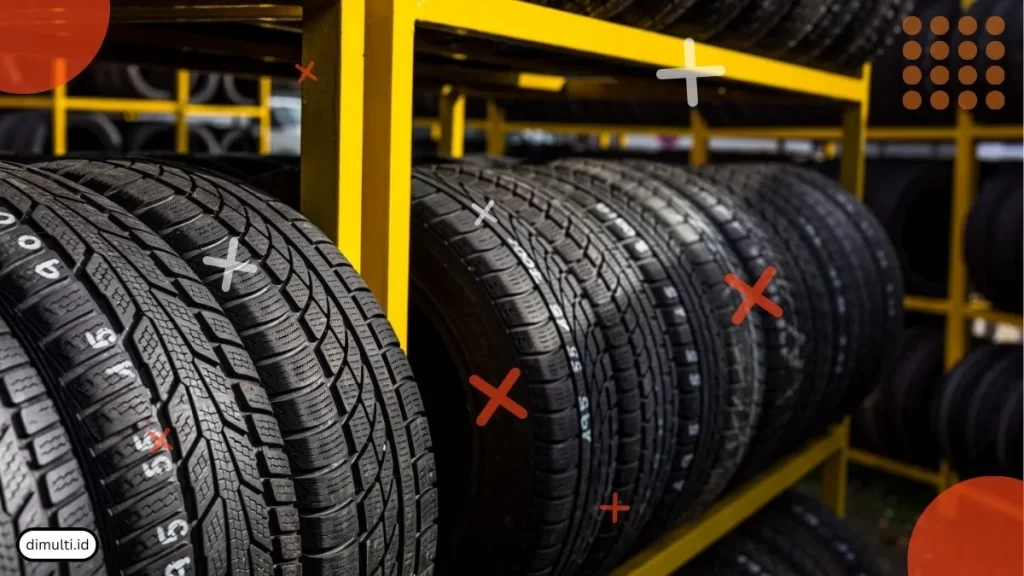
Speed ratings are generally marked in capital letters on the side of the tire, after the tire size or maximum load.
Here are some examples of speed ratings and their corresponding maximum speeds:
- L: 120 kmh (75 mph)
- M: 130 kmh (81 mph)
- N: 140 kmh (87 mph)
- P: 150 kmh (93 mph)
- Q: 160 kmh (99 mph)
- R: 170 kmh (106 mph)
- S: 180 kmh (112 mph)
- T: 190 kmh (118 mph)
- U: 200 kmh (124 mph)
- H: 210 kmh (130 mph)
- V: 240 kmh (149 mph)
- W: 270 kmh (168 mph
- Y: 300 kmh (186 mph)
- Z: 240 kmh (149 mph) (sometimes used for speeds above 240 km/h, although there are now more specific designations such as W and Y for speeds above 240 km/h).
What Does It Mean For the Driver?

- Safety: Choosing tires with the appropriate speed rating is essential for maintaining safety, especially if you are driving at high speeds.
- Compatibility: You should choose tires that have a speed rating at least equal to the maximum speed of your vehicle. For example, if your vehicle can travel up to 180 km/h, you should use tires with an S rating or higher.
- Durability and Performance: Tires with higher speed ratings are usually designed with stronger materials and construction to handle the heat and stress of high speeds.
However, it is important to note that speed ratings are not an indicator of the overall quality of a tire-they only show the tire’s capabilities in terms of speed.
Other factors, such as grip, wear resistance, and comfort should also be considered when choosing the right tire.
So there you have it! The full explanation of tire speed rating for you to understand!