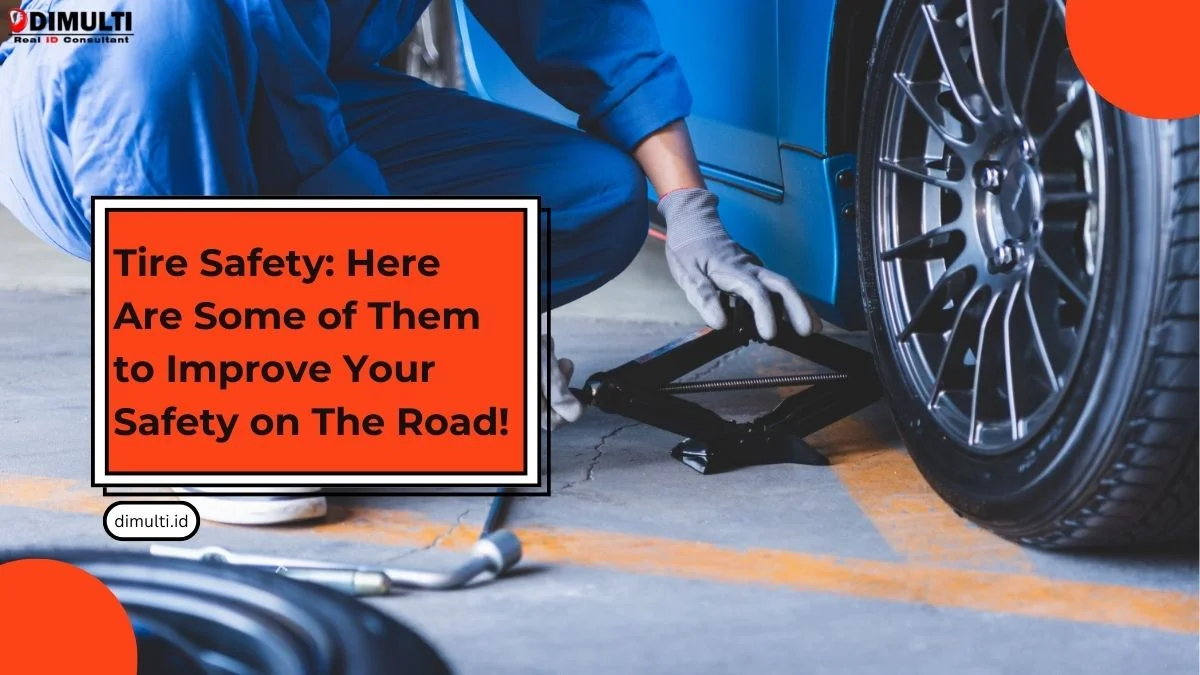
Tire safety is an important thing to consider when riding your favorite ride whether it’s a car or a motorcycle.
Whether you’re cruising down the highway in your car or enjoying a thrilling ride on your motorcycle, tire safety should always be a top priority.
Tires are the only point of contact between your vehicle and the road, so maintaining them properly is crucial not only for the performance of your ride but for your overall safety.
Also Read


A well-maintained tire provides better traction, reduces the risk of accidents, and enhances the lifespan of your vehicle’s tires.
With that being said, here are some tips from dimulti about tire safety!
Tips for Tire Safety
1. Choose the Right Tire
Many of you might think that the best tire is the one with the more expensive price tag. While it’s not entirely wrong, there are some other considerations when choosing the right tire for your ride.
Choose the one that suits the road you’re going to ride, the weather and overall climate where you live.
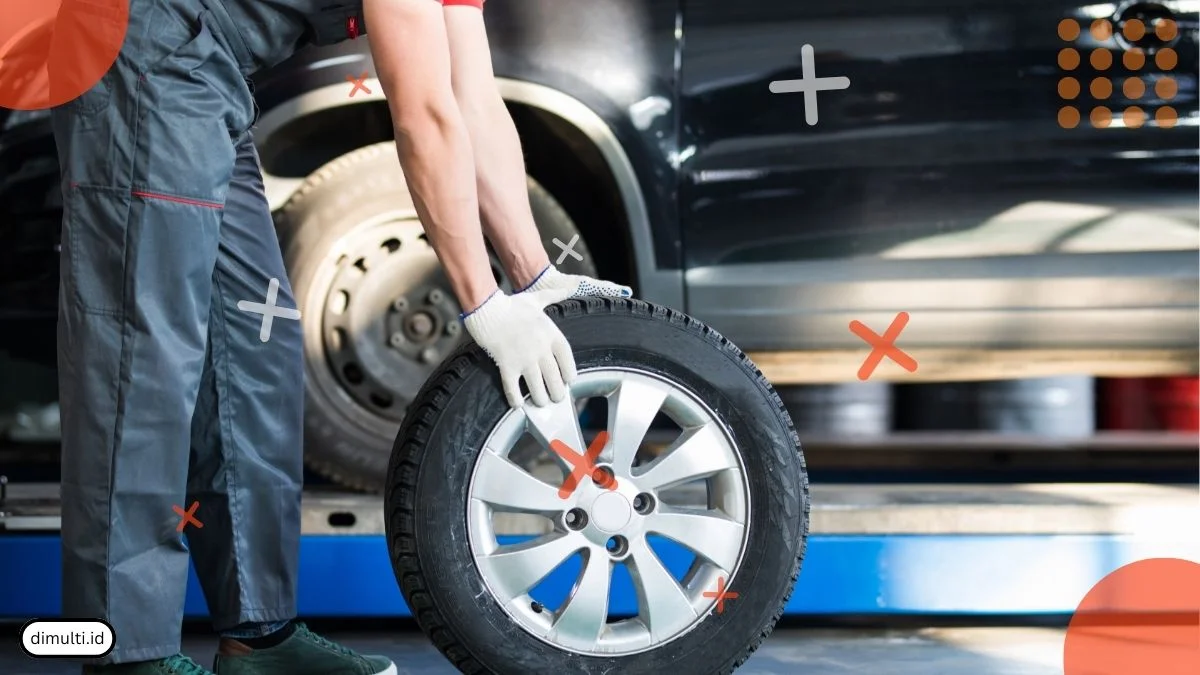
Also consider choosing the correct size recommended by your car’s manufacturer and also the load that your new tires are able to carry.
2. Buy a Tire Gauge and Bring It With You Along
A tire gauge is an important device to monitor your tire air pressure. It’ll inform you whether you need to add more air to your tires.
You can easily find tire gauge at any automotive retailer and many supply stores.
3. Check Your Tire Pressure
Remember, keeping your tire’s air pressure is the most important thing to do especially if you’re about to travel a long journey.
An underinflated tire will cause you several problems, such as:
- Bad fuel economy
- Bad handling
- Excessive wear
On the other hand overinflated tire would also cause you several problems, such as:
- Increase the risk of tire blowout
- Harsh riding experience
To prevent this, check the air pressure of your tire regularly, use the recommendation given by the car’s manufacturer to give your car a best riding experience and reduce any safety risk.
4. Slow Down During Rain
This is done to prevent hydroplaning, hydroplaning is a term that describes a situation where the tires of a four-wheeled vehicle will float above the road surface because they are unable to ward off puddles, thus causing the car tires to lose full traction on the asphalt.
5. Rotate Your Tires
If your tires show any signs of uneven wear, call your automotive professional to perform tire rotation.
Tire rotation is a process of swapping the position of your car tire. Either it is front to back, or side to side.
This is done to even out the uneven wear and tear of your tire, thus extending its service life.
6. Check Your Vehicle Alignment
When you feel that your car is pulling to one side when you’re driving, it is best to perform tire alignment to your vehicle.
Alignment refers to the adjustment of a vehicle’s suspension – the system that connects the vehicle to its wheels.
7. Inspect The Tread of Your Tire
The easiest thing to do is spotting the tire tread indicator that is present in almost all of the car’s tires.
Tread wear indicators, or wear bars, are spaced evenly through the main grooves in the tire tread. They indicate how much of the tire has already rubbed off and if the tire is worn out.
8. Don’t Overload Your Vehicle
An overloaded vehicle will put an unnecessary stress on the tire that will result in damage and lead to tire failure (such as tire blowout).
Most cars have specific load limits to ensure safety and prevent any damage to the tire or even your vehicle itself. You can check it at the manufacturer’s load recommendation.
There you have it! The 8 tips for tire safety that we’ve gladly summarized just for you!