

Performing car tire rotation is one of the most important maintenance to keep your tire in top shape.
Tire rotation, hence its name, means periodically changing the position of each tire of your vehicle from front to back or side to side.
Aside it is important to keep your car tire in a top shape, car tire rotation is also important to keep your tires covered under warranty,
Also Read


So, what is a car tire rotation? Let’s get the full explanation down below!
What is Tire Rotation?

As we stated above, tire rotation is a process of swapping the position of your car tire. Either it is front to back, or side to side.
The main reason for tire rotation is that tires of all types tend to wear out at different rates. Tires on the drive axle wear the fastest due to transmission, power, and torque.
This applies to both front- and rear-wheel drive vehicles. Front tires wear the fastest because most cars have front-wheel drive and vice versa.
Under such circumstances, it may be very beneficial to move the two rear wheels to the front. This maximizes their potential so that all tires will wear evenly and last longer.
When done properly and routinely, this process will extend the service life of your tire and keep it in top shape.
Why is It Important?

There are several reasons why tire rotation is an important element of your standard tire maintenance,
First, by routinely rotating your tires, the wear and tear experienced by the tire will spread evenly across all of the four tires, thus extending its tread life.
Secondly, because the wear of the tread spreads evenly, it’ll help the traction and handling be consistent across all the four tires, making it much safer when cornering and braking.
When to Perform Tire Rotation
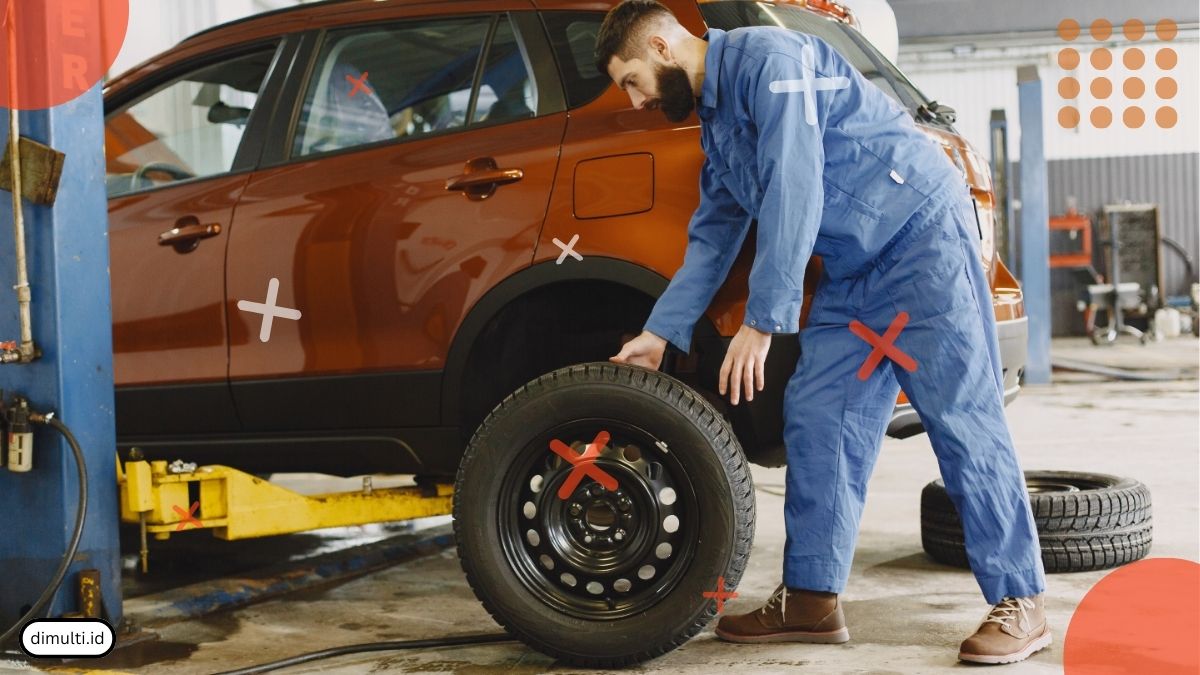
Tires should be maintained periodically following the rotation pattern provided in the vehicle owner’s manual.
You should rotate your tires approximately every 8,000 km to 10,000 km. For some of you, this is the same time as your car routine maintenance.
A good time might also be when changing from winter to summer tires. Or when you buy new tires.
When replacing only two tires, we recommend that the new or least worn tire be mounted on the rear axle to improve vehicle control and safety.
This advice applies to front- and rear-wheel drive vehicles using the same size front and rear tires.
Tire Rotation Pattern
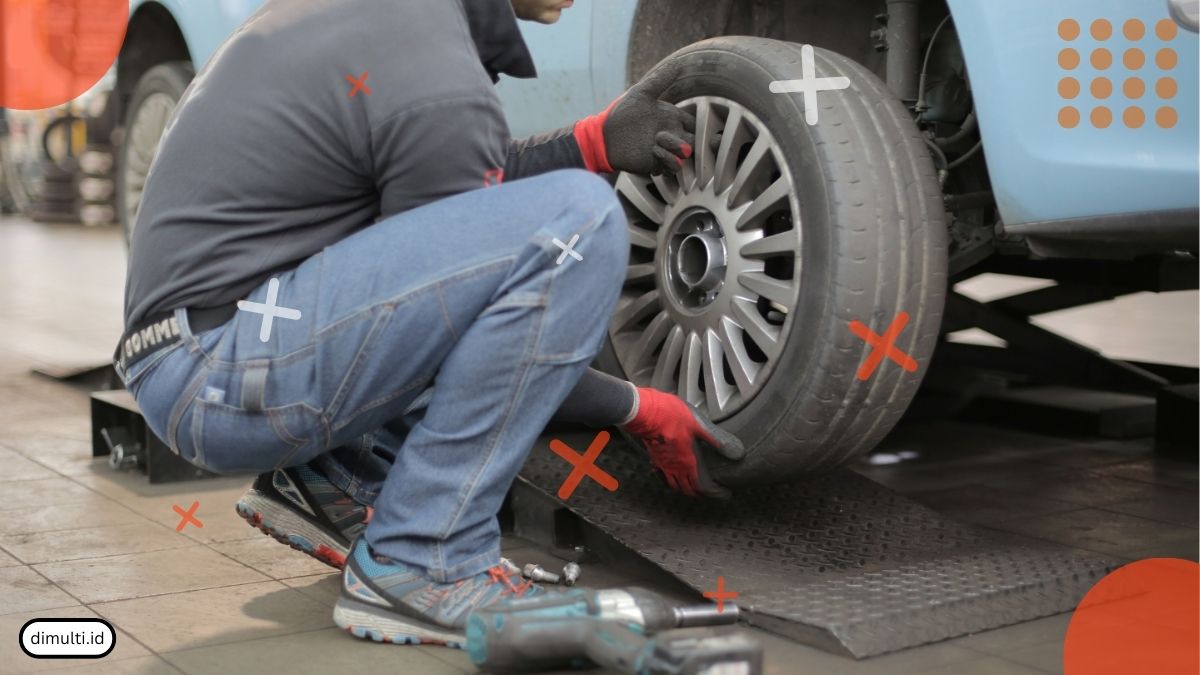
The pattern that’s best for your vehicle is determined by many factors, including:
- The type of tire of your vehicle
- Whether your vehicle is front, rear, all, or four-wheel drive
- Directional or non-directional tire
- Whether your tire are the same size on the front and rear
- Etc…
But, let’s take a look at the standard pattern to give you a little bit of insight.
1. Rearward Cross
This pattern works best for rear-wheel drive vehicles. The rear tires are moved to the forward axle but kept on the same side of your car while the front are moved to the opposite sides of the rear axle.
2. X-Pattern
You can do the x-pattern by moving your tires diagonally, which means the tires are switched from one axle to the opposite while being repositioned from one side to the other.
The x-pattern tire rotation works best for light trucks and sedans.
3. Forward Cross
This is the most common pattern for front-wheel drive. The process is simple, just by moving directly the front tire to the back, while the rear tires are moved up diagonally to the opposite side of the front axle.
So there you have it, the complete explanation about car tire rotation that we’ve summarized just for you!