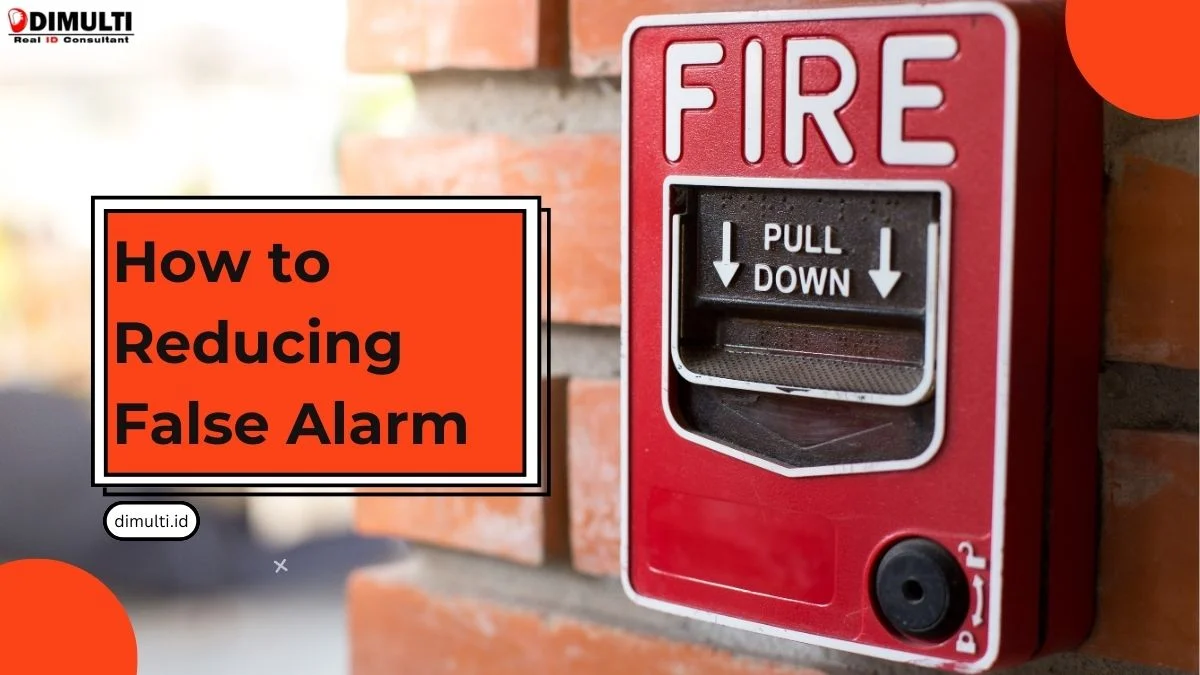
Reducing false alarm is very important. However, there are several factors that must be known before carrying out procedures to reduce false alarms.
Because as we know, in order to ensure the safety of workers or employees and customers during activities in the building and the property, fire alarms play a crucial role.
Well, this fire alarm system works by sounding a warning alarm whenever the system detects the presence of fire signals, signs and symptoms or triggers for fire.
Also Read


However, due to certain reasons and factors, the fire alarm system often does not work properly and instead sends a false alarm.
What is a False Alarm?

False alarms can be defined as a form of alarm that activates because it captures a signal other than the fire signal that triggered the fire.
Some of the factors that cause false alarms are that the fire alarm is maintained improperly and/or is not in accordance with the standards set.
Effects of False Alarm
One of the major effects of false alarms is the usual costs that may be incurred. These costs can arise from several situations, such as compensation that the company must give to building occupants.
Because there could be occupants who are injured because they are trying to save themselves to get out of the building.
It could also be in the form of costs incurred for rescue efforts and extinguishing fires that in fact do not really exist, and many other adverse situations.
The fire department will also be demotivated by frequent false alarm calls.
Reducing false alarms is important, because fire alarm systems installed on vehicles or large transportation equipment, such as cruise ships, if there is a false fire alarm, there is a high probability of accidents due to panic.
Also Read: “How to Choose the Components of Fire Alarm System: A Guide“
What to Do If There’s a False Alarm?
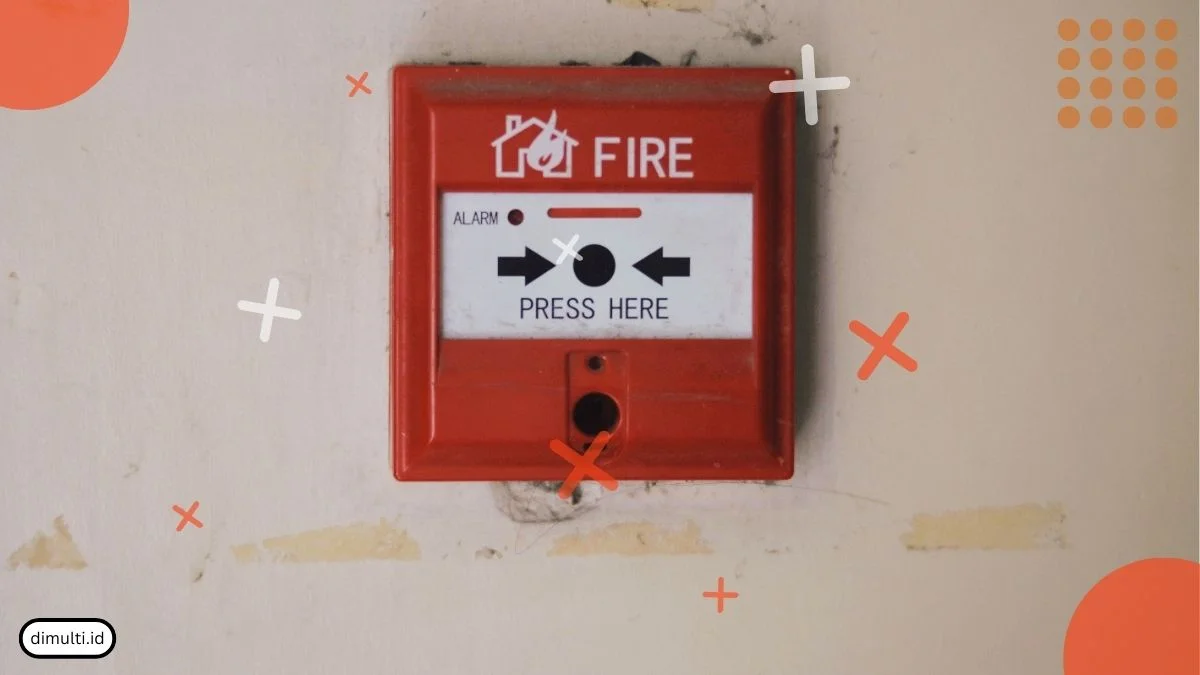
When an alarm has just been ringing, it can be difficult to tell immediately whether it is a true alarm or a false fire alarm.
Reducing False Alarms from the panelHowever, to maintain safety, direct everyone in the building to escape first without panicking.
Then, determine the authenticity of the alarm. Because there are many steps to take, as follows:
- When the alarm rings, immediately silence the alarm without resetting the control panel. Because the data or information causing the alarm to activate will be lost.
- Next, check the message displayed on the control panel. The message will show where the location that caused the fire alarm to turn on came from.
- Step three, check all the main devices that cause false alarms, which are smoke and heat detectors and break glass boxes. If the alarm is coming from one or more of the three devices, then find out the reason for the trigger.
Also Read: “Fire Alarms Keep Beeping? Here’s What You Need to Know!“
How to Reducing False Alarm
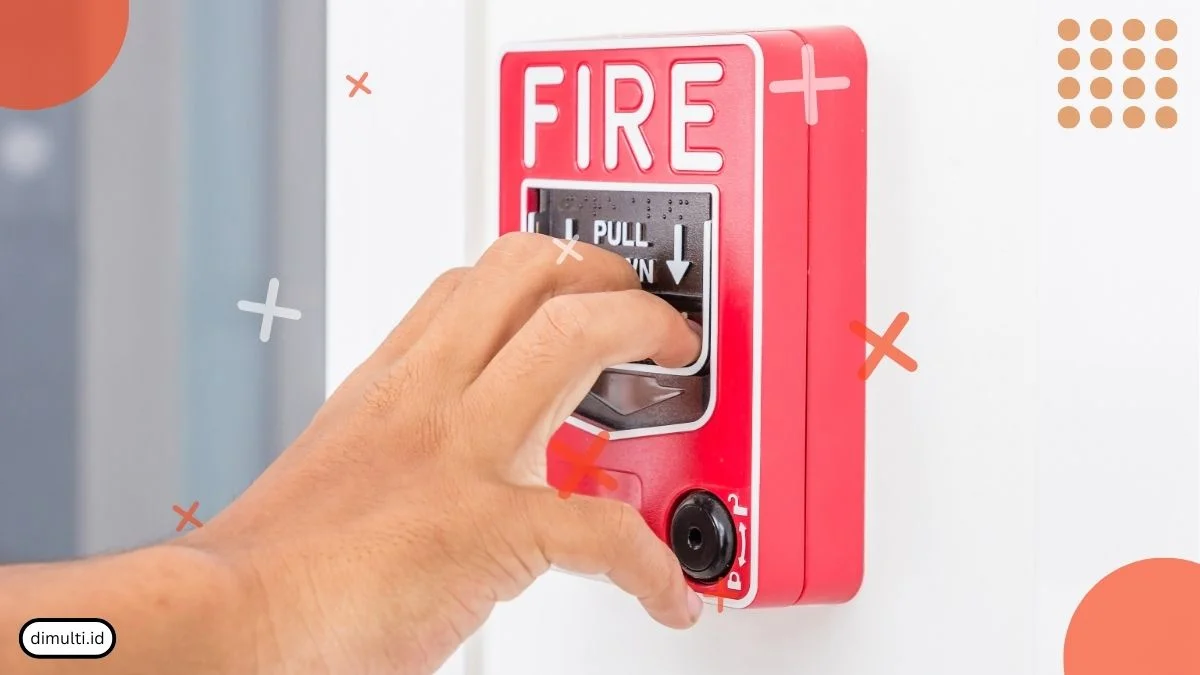
To reduce false alarms, any fault or damage to the fire alarm device or system should always be recorded chronologically in a log book to store information that may be needed in the future.
Other than that, these records will also help in analyzing trigger patterns that cause false fire alarms to fire.
Damage to the device can be reduced or even prevented if maintenance and cleaning of the device is carried out regularly.
However, this maintenance must really be done carefully by competent and experienced personnel.
Why? Because incorrect and poor maintenance can not only potentially cause false alarms.
In addition, technical errors in the detector or fire alarm system actually become insensitive thus reducing its ability to identify real and dangerous fire.
Here’s how to reducing false alarm that have been summarized for you!
False alarms may sound trivial, but their impact can be very detrimental and disrupt our various activities.
Not only can they cause disruption, but they can also potentially cause unnecessary panic. Therefore, it is important to take effective preventive measures.
To avoid this, one of the steps you can take is to choose a fire alarm system that has been standardized by SNI.
What is SNI? SNI, or Standar Nasional Indonesia, is a guideline set to ensure the quality and safety of various products and systems, including fire fighting systems.
For fire alarm systems, the relevant standard is SNI 03-3985-2000. By choosing a system that complies with this standard, you not only increase safety, but also minimize the risk of false alarms.
Let’s prioritize safety and comfort by choosing the right system! Stay informed and make sure your environment is safe from potential fires.
Hopefully, this article will be useful and help you make better decisions!