
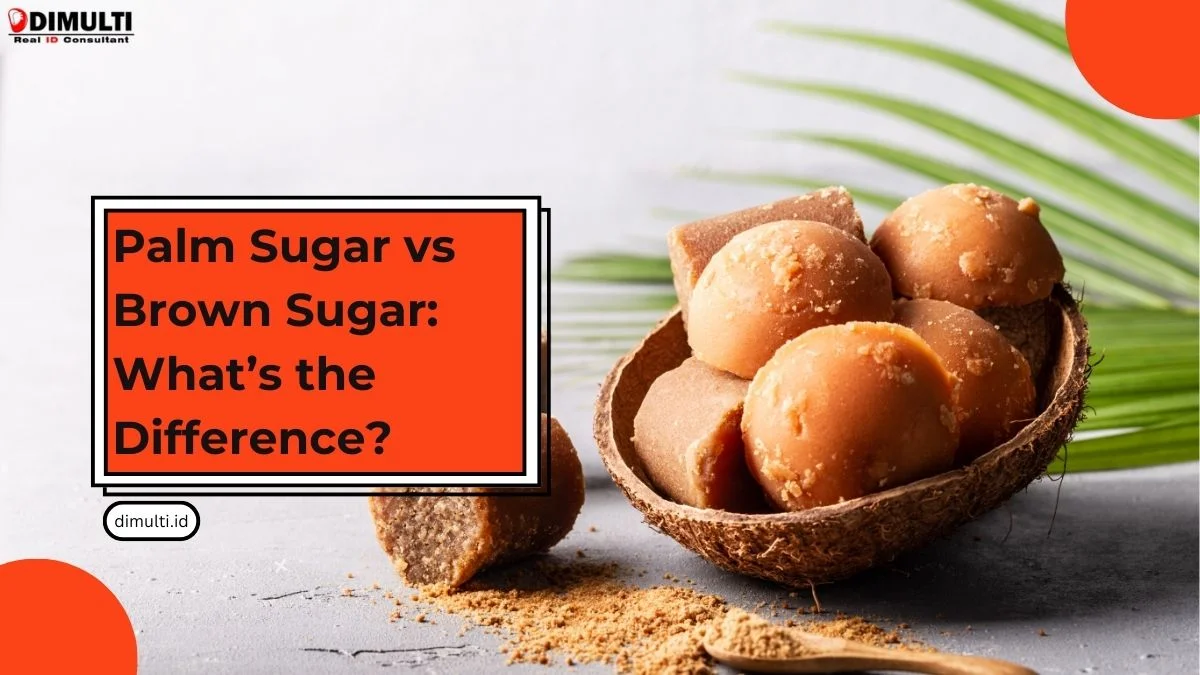
Palm Sugar vs Brown Sugar – Sugar is already very attached to the daily lives of people in various parts of the world, this sweet-tasting ingredient is commonly used as an addition to making food or drinks.
On top of that, sugar is said to be a mood enhancer to brighten up your day and give you more energy when consumed.
But did you know that there are various types of sugar commonly consumed by the public?
Also Read


Various types of sugar can be categorized based on the glucose content contained, the basic ingredients of manufacture and how to process it.
However, lately there are two types of sugar that are in great demand by the public, which are palm sugar and brown sugar.
So in this special occasion dimulti will give you the explanation about the differences between palm sugar vs brown sugar, dire to know more? Read further down below!
Differences Between Palm Sugar vs Brown Sugar
Palm sugar and brown sugar have differences that you need to know, both sugars have significant differences.
The following is an explanation of the differences between the two types of sugar:
Also Read: “Refined Sugar vs Natural Sugar: How Are They Different?“
1. Taste and Texture
While palm sugar and brown sugar have a similar caramel-like flavor, brown sugar is much sweeter. In addition, brown sugar also has a more striking color than palm sugar.
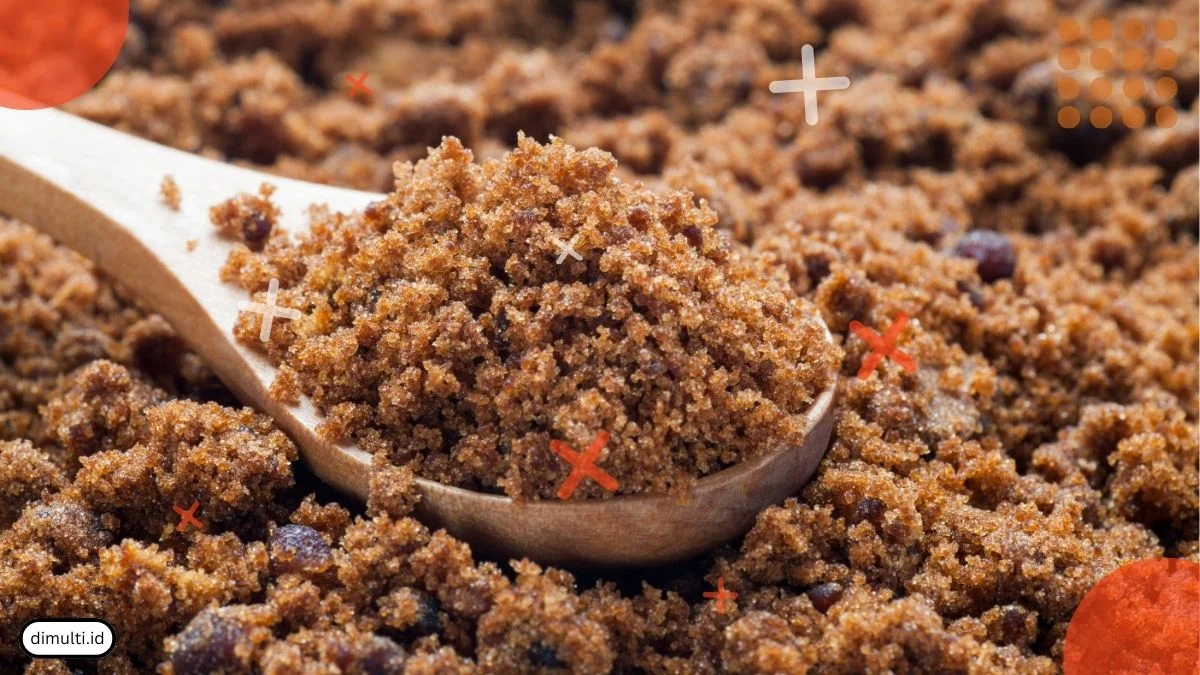
Not only is the taste different, the texture is also different. Brown sugar has a more moist and rough texture.
Brown sugar granules are small and uniform. While palm sugar has a drier texture and the granules are larger than brown sugar.
2. Sugar Contents
Palm sugar and brown sugar have a similar brown color, but their sugar content is different.
With 5% molasses and 95% sucrose, brown sugar is considered to have more sugar content than palm sugar.
The very high sucrose content consists of fructose and glucose. Whereas palm sugar only consists of sucrose and fructose.
Thus, palm sugar is considered more natural, especially since it is made from any variety of palm tree, such as coconut, date, nipa and aren.
3. Way of Making
The process of making palm sugar involves caramelization, which gives the sugar its distinctive color change.
Palm sugar is made through two main stages, the extraction of nectar from palm tree flowers and heating the nectar until it thickens.
The result can be in block, granular or liquid form, each of which has its own characteristics and uses in various cuisines.
Brown sugar, meanwhile, is produced from granulated sugar mixed with molasses, which is the liquid left over after cane sugar has been refined.
This molasses gives brown sugar its brown color, and adds moisture and a deeper flavor compared to regular granulated sugar.
4. Nutrient Contents
In one tablespoon of palm sugar and brown sugar, there are at least 4 grams of carbohydrates in the form of sugar, equal to 16 calories per tablespoon.
But with closer examination, brown sugar contains calcium, iron, copper, potassium phosphorus, manganese, and magnesium.
These nutrients are present due to the addition of molasses to brown sugar.
Palm sugar on the other hand, naturally contains vitamin C, potassium, phosphorus, magnesium, calcium, zinc, iron and copper.
Palm sugar also contains inulin which is a type of dietary fiber that acts as a prebiotic that feeds the good bacteria in our bowels.
5. Impact to Our Body
In a study aimed at assessing the glycemic index of sugar, palm sugar had a lower glycemic index than brown sugar.
This means that palm sugar increases blood glucose levels at a slower rate. However, this finding is inconclusive.
According to the American Diabetes Association, the glycemic index can be a helpful tool when managing blood sugar, but the glycemic index can vary from person to person.
So, there you have it! The differences between Palm Sugar vs Brown Sugar that we’ve summarized just for you!