
Smoke Management System in Indonesia – In the event of a fire, smoke is one of the main hazards that can cause great losses both in terms of property damage and health risks to us.
Smoke contains various toxic substances such as carbon monoxide, formaldehyde, and small particles that can cause irritation to the respiratory tract and even death if inhaled in large quantities.
To overcome the hazards of smoke, an effective smoke management system is required. This system is designed to control the movement of smoke during a fire, so as to minimize its spread to other areas and allow safe evacuation of building occupants.
Also Read


One of the key benefits of a Smoke Management System is its ability to limit property damage caused by smoke and heat.
By directing smoke to ventilation ducts or evacuating efficiently, these systems help reduce the risk of larger fires and allow firefighters efforts to focus on the main fire point.
The purpose of this article is to provide a better understanding of how Smoke Management Systems in Indonesia work and their application in fire situations.
By understanding the basic principles and functions of these systems, it is hoped that readers can take appropriate steps in planning and implementing effective smoke management strategies in their buildings.
Components of Smoke Management System
1. Detection and Alarm System
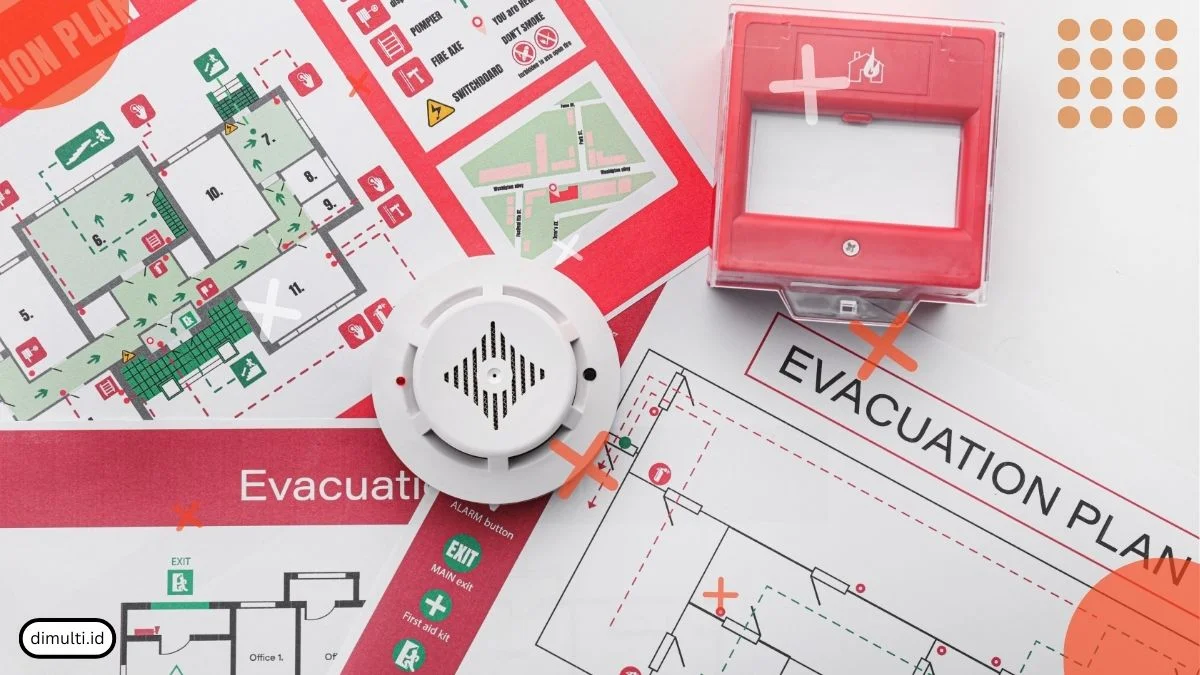
This component serves to detect fire or smoke in the room. The smoke and temperature detectors will provide an early warning signal through an alarm system connected to the entire building. This enables a quick response from building occupants and firefighters.
2. Smoke Ventilation System
This system aims to circulate smoke out of the building efficiently. It usually consists of mechanical ventilation such as fans and ventilation ducts designed to direct the smoke outside the building.
This way, smoke does not accumulate indoors and the risk of smoke poisoning during a fire can be minimized.
3. Pressurized System
This component aims to keep the air pressure inside the building higher than the pressure outside the building.
This makes it difficult for smoke to enter the room, helping to maintain a safe environment inside the building.
These systems are often used at entrances or emergency exits to prevent smoke from entering protected areas.
4. Fireproof Doors
Fireproof doors are specifically designed to contain the spread of smoke and flames from one area to another within a building.
In the event of a fire, fire-resistant doors will close automatically to limit the spread of smoke and flames, allowing additional time for building occupants to escape or for firefighters to extinguish the fire.
Also Read: “Fire Alarms Keep Beeping? Here’s What You Need to Know!“
Benefits of Smoke Management System
1. Improving Safety
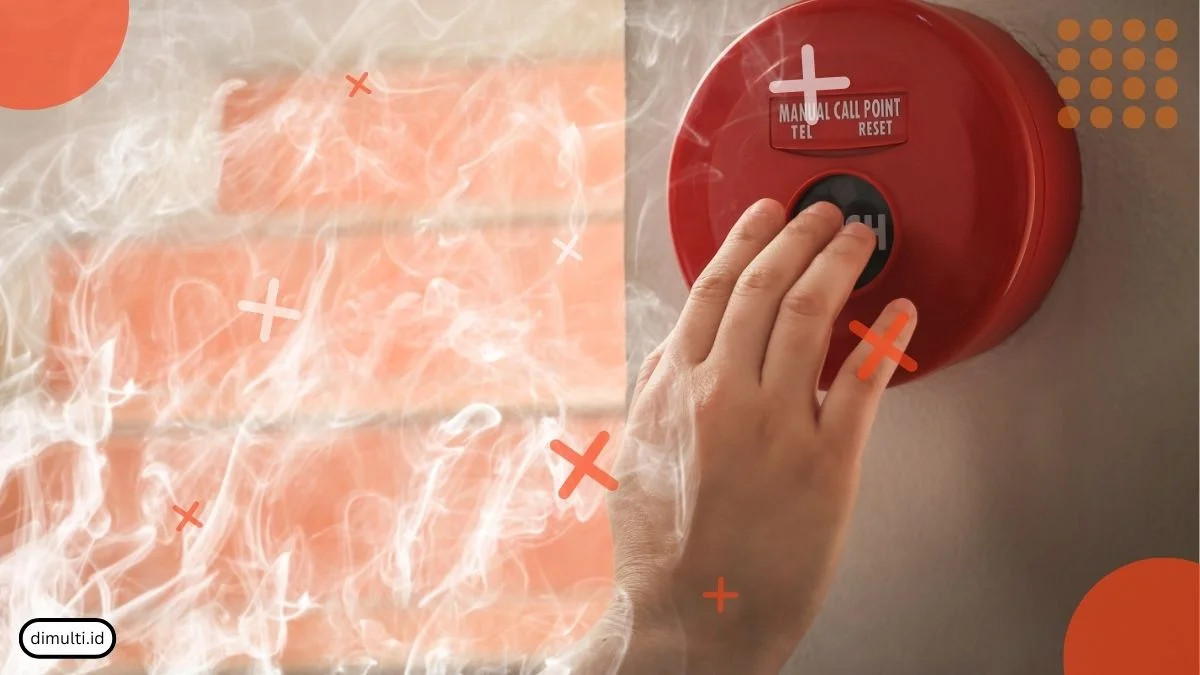
The system provides early warning and gives building occupants enough time to evacuate safely in the event of a fire.
With quick and efficient alarms, and controlled smoke management, the risk of injury or loss of life is minimized.
2. Minimize Damage
Smoke Management System helps reduce damage caused by smoke and heat.
By channeling smoke out of the building and maintaining air pressure inside the building, the risk of fire and smoke spreading to other areas can be minimized, so property loss can be prevented or reduced.
3. Make the Evacuation Process Easier
The system provides a safe and smoke-free evacuation route for building occupants.
By directing smoke out of the evacuation path and maintaining clean air in the evacuation area, occupants can escape quickly and unimpeded.
Smoke Management System is an important solution in addressing smoke hazards during fires in various types of buildings and facilities such as high-rise buildings, shopping centers, hospitals, airports, and industries.
It not only improves occupant safety and protects property, but also facilitates a safe and efficient evacuation process.
By reducing smoke-induced risks and optimizing ventilation performance, the Smoke Management System plays an important role in maintaining a healthy and safe environment for all building occupants and visitors.
Therefore, the implementation of this system in various facilities is essential in fire risk prevention and mitigation efforts.
But did you know that the smoke management system installation is strictly regulated in Indonesia?
In conclusion, having a smoke management system is not just a good idea—it’s a requirement that must be certified by the SNI (Standar Nasional Indonesia) or Indonesian National Standard.
The SNI provides essential guidelines to ensure safety and efficiency in smoke control, especially in buildings where fire hazards are a concern.
Specifically, the installation of smoke management systems is detailed in SNI 03-6571-2001.
By adhering to these standards, you not only comply with regulations but also enhance the safety of your environment.
So, if you’re involved in building management or construction, make sure to familiarize yourself with these standards and prioritize the installation of a proper smoke management system. It’s a crucial step in safeguarding lives and property!