
How to Repair Your Work Boots – Having comfortable and durable work boots is essential for workers in various industries.
However, with the excessive use, overtime, your work boots can develop damage that requires repair.
Knowing how to repair work boots can help you extend the life of your shoes and ensure the safety and comfort of your working boots.
Also Read


In this article, dimulti will discuss simple and practical steps to repair your work boots, from repairing the soles to replacing damaged uppers. Check out the full explanation below!
How to Repair Your Work Boots
1. Repairing the Soles
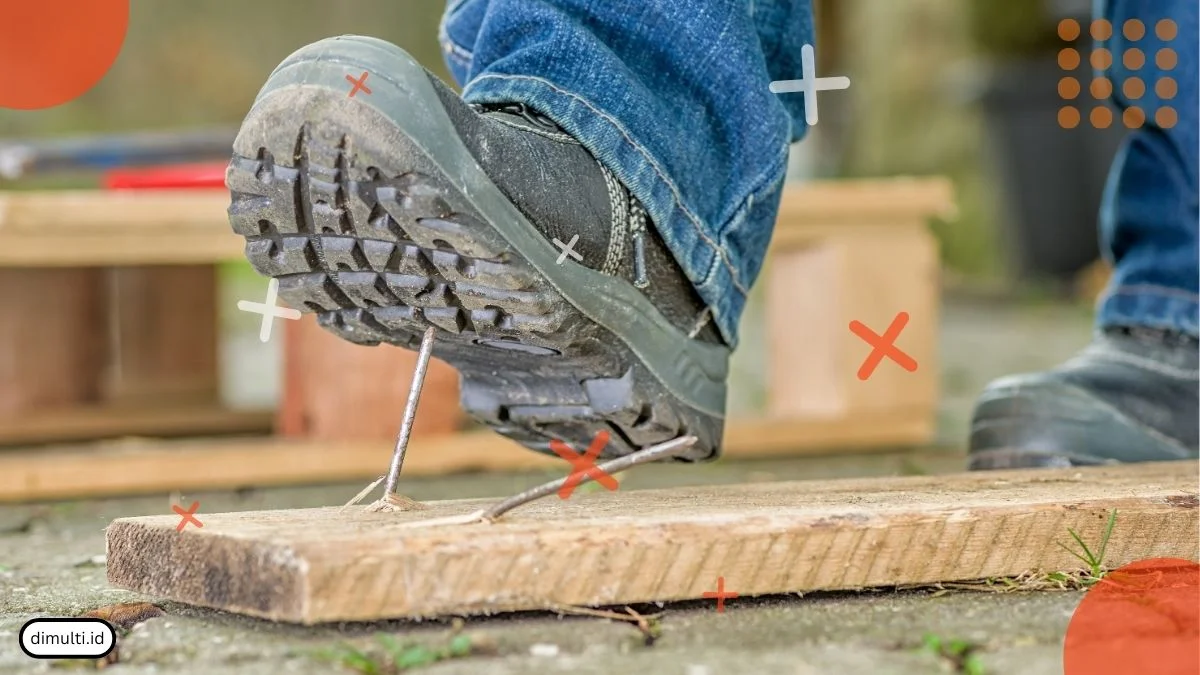
The sole of the shoe is the part that experiences the most wear and tear. To repair damaged soles, you can use special glue for shoes that is strong and durable.
Clean the sole from dirt and dust, apply glue to the damaged part, then press firmly so that the glue sticks well.
Let it dry for a few hours before using it again. If the sole is severely damaged, consider replacing it with a new, suitable sole.
Also Read: “How to Clean Leather Work Boots: A Quick Guide“
2. Repairing the Torn Upper Part
The upper part of work boots often has tears due to friction or sharp objects. To repair these tears and ensure the shoes continue to function properly, the following steps can be followed:
- First: Carefully clean the torn area, you can use a soft brush or dry cloth to remove dirt and dust from around the tear. This is important to ensure that the patch material will adhere well to the shoe surface.
- Second: Cut the patch material to the size of the tear. Choose a patch material that matches the material of your shoe, such as fabric or leather, for optimal results. Make sure the patch piece is slightly larger than the tear to ensure a complete and strong cover.
- Third: Adhere the patch material to the torn area using a special glue that matches the shoe material or sew with strong thread. If using glue, apply it evenly and press the patch firmly to ensure there are no air bubbles or empty spaces underneath. If you choose to sew, make sure the stitches are tight and strong, and avoid stitching too close to the edge of the tear to reduce the risk of re-tearing.
- Finally: Let the glue dry or the stitches to fully strengthen before using the shoes. Ensuring the patch is neatly and firmly attached not only improves the appearance of the shoe but also protects it from further damage, as well as maintaining safety and comfort during use.
3. Changing the Shoelace
Broken laces can be replaced with new laces that are strong and durable.Choose shoelaces that match the size and type of your work boots.
Remove the old laces, then insert the new laces through the eyelets. Make sure the laces are properly installed so that the shoes remain comfortable and safe when used.
4. Changing the Insoles
The insole is an important part of your working boots that serves to provide better comfort and support.
Whether your old insoles are worn out or you need specialized support for certain foot conditions, learning how to replace them is essential, here’s how!
- Remove the existing insoles by pulling it out, most insoles are not permanently attached thus can be easily removed by hand.
- Clean the inside of the shoes by using damp cloth or brush to remove any debris and dirt, then let it air dry thoroughly.
- Place the new insoles inside your work boots, make sure that it’s properly fit and align with the heel and toes area. You might trim a little bit to match the size of your boots.
- Press down firmly on the insole to ensure it’s securely positioned inside your boots.
- Try to walk on your boots and adjust the fit.
There you have it! A guide for how to repair your work boots!