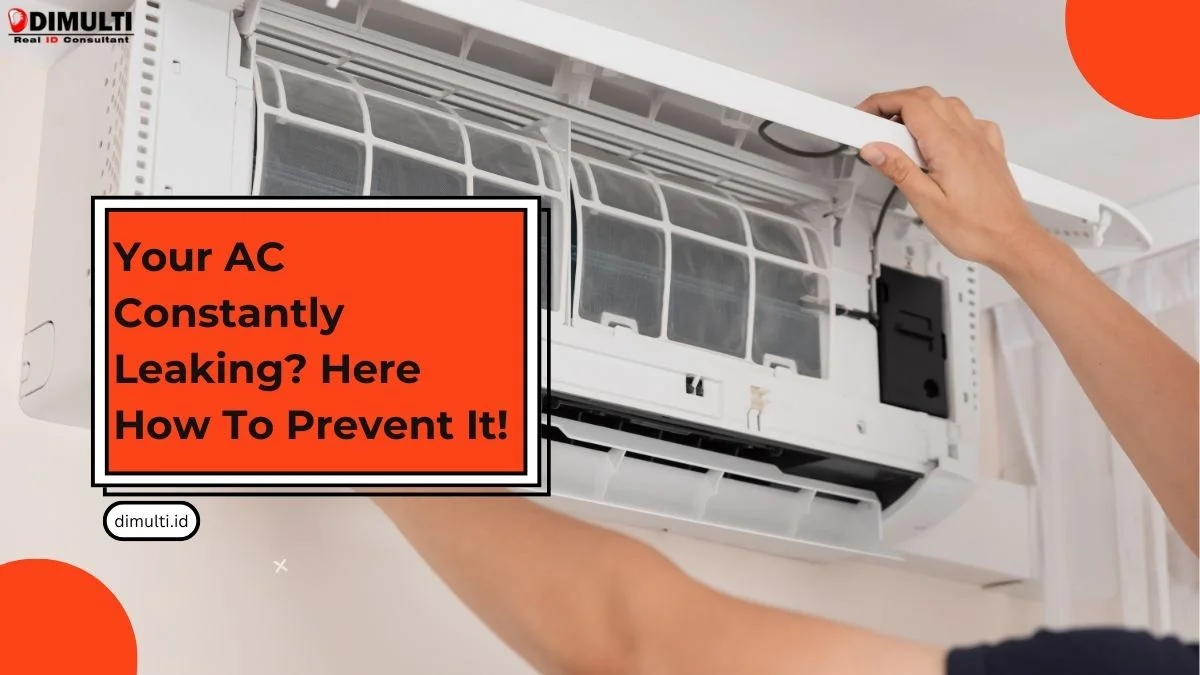
How to prevent AC leaks? Leaks in air conditioners are a problem that can disrupt home comfort and damage your air conditioning system.
To ensure that your AC continues to function efficiently and avoid leaks that can cause further damage, it is important to perform proper maintenance.
In this article, we will share some tips and maintenance steps you can take to prevent AC leaks.
Also Read

From routine coil cleaning to condensate pump inspection, learn how to keep your AC in tip-top condition and avoid problems that can disrupt the coolness of your home.
Table of Contents
How to Prevent AC Leaks
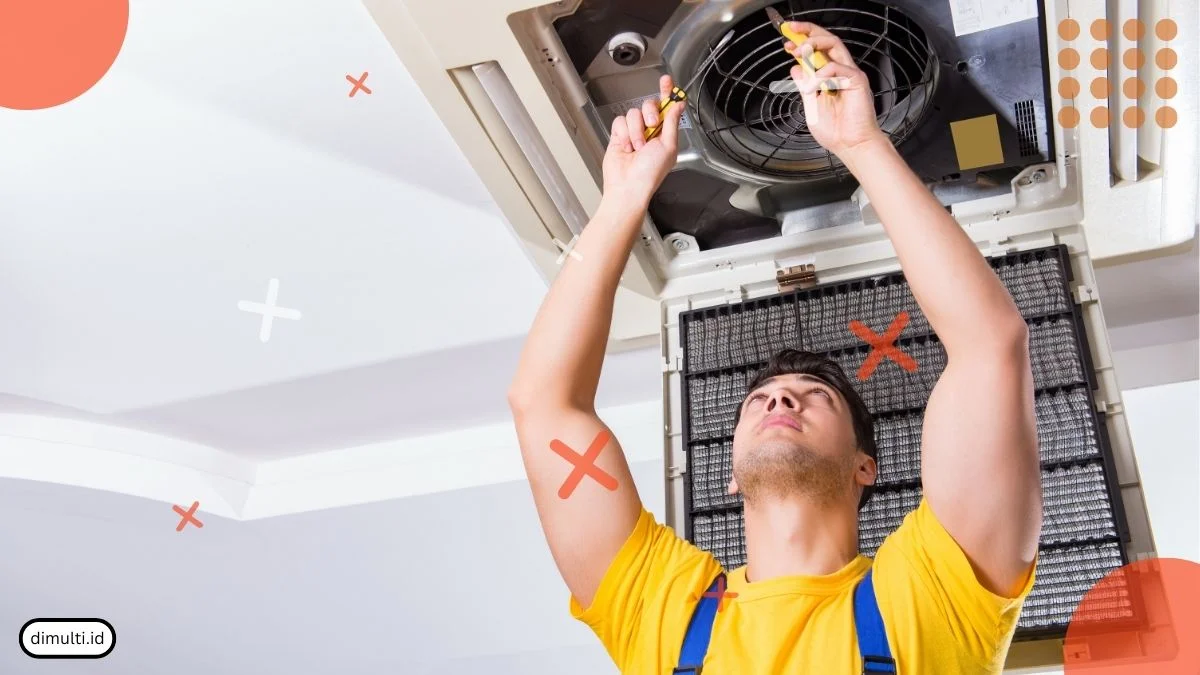
1. Perform Routine Maintenance
Have regular maintenance for your AC performed by a professional technician at least once every six months.
This maintenance includes cleaning the unit, inspecting components, and recharging the refrigerant if needed.
The technician will check for leaks, clean the indoor and outdoor units, and make sure all parts are working properly.
Regular cleaning removes dust and dirt that can hinder the performance of the AC and prevent more serious damage.
Also Read: “History of an Air Conditioner“
2. Clean the Air Filters
Clean or replace the air filter regularly, usually once every 1-3 months. A clean air filter ensures smooth airflow and prevents the buildup of dust and dirt.
A dirty filter can cause the AC to work harder, reduce cooling efficiency, and increase the risk of leaks due to ice buildup on the evaporator.
3. Check the Condensation Drain
Ensure that the condensation drain is not clogged. The water generated from the cooling process must be drained out through this drain.
If it gets blocked, the water can overflow and cause leaks. Cleaning the drain regularly prevents the buildup of dirt and mold that can block the flow of water.
4. Checking the Pipes and Its Connections
Periodically check the pipes and connections on your AC unit to ensure there are no leaks. Refrigerant pipes and connections should be free of cracks or corrosion.
A loose or cracked connection can cause refrigerant leaks, which reduces cooling efficiency and is harmful to the environment. Regular checks ensure all connections are tight and there are no signs of damage.
5. Avoid Extreme Temperature Settings
Setting the air conditioning temperature at a reasonable level reduces the stress on the system.
Setting the temperature too low can cause ice to form on the evaporator, which when melted can cause leaks.
Moderate temperatures help keep the system stable and prevent component damage.
Also Read: “8 Causes of AC Water Leaks That You Should Know!“
6. Use the AC Wisely
Do not leave the air conditioner running continuously without stopping. Allow time for the system to rest and reduce the risk of overheating.
Excessive use of the AC can accelerate component wear and increase the risk of leaks. Use a timer or energy-saving mode to regulate the AC’s running time.
That’s it! The 6 ways on how to prevent AC leaks that you can apply to your AC unit at home!
Did you know you can prevent leaking from your AC by choosing the AC that has been certified by the SNI certification in Indonesia?
Yup, the AC is one of the many products that are mandatory to be certified by the SNI certification in Indonesia
This is because the risk of an air conditioner might be concerning for the Indonesian consumers, as the AC that is not properly manufactured can cause a failure and can even be dangerous for its users.
The air conditioner that is about to be distributed in Indonesia must undergo a series of tests to determine its quality and safety.
After all of those tests have passed and the air conditioner is met with the requirements that have been set, the air conditioner is ready to be distributed and sold in the Indonesian market.
For the air conditioner and other household electrical devices, the regulation is clearly stated in SNI IEC 19-6713-2002.