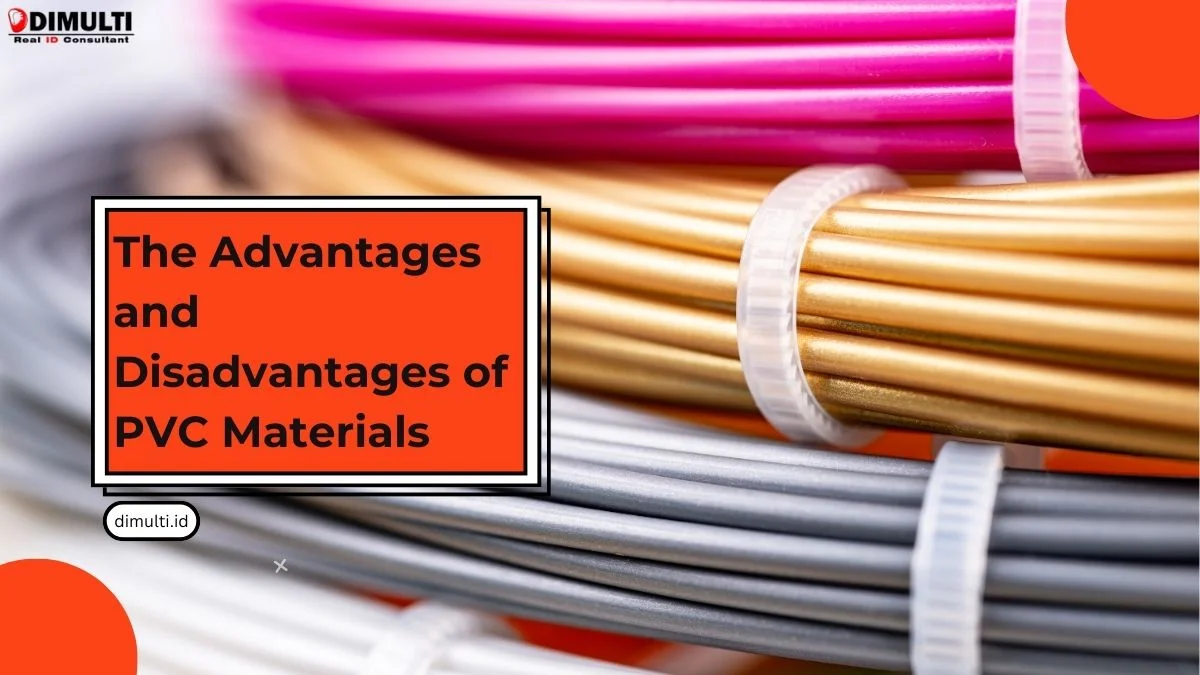
What are the advantages and disadvantages of PVC material? As the components that are commonly used in many things, there are pros and cons of PVC that you need to contemplate thoroughly.
In the world of construction, PVC material is a type of material that is often used. This material can be used as a material for making house ceilings, to make bathroom doors and many more.
PVC is a type of material that is quite strong and has a hard texture, but is still flexible.
So, what are the advantages and disadvantages of PVC material that need to be known? Here are some of them!
Table of Contents
Advantages of PVC
1. Cheap
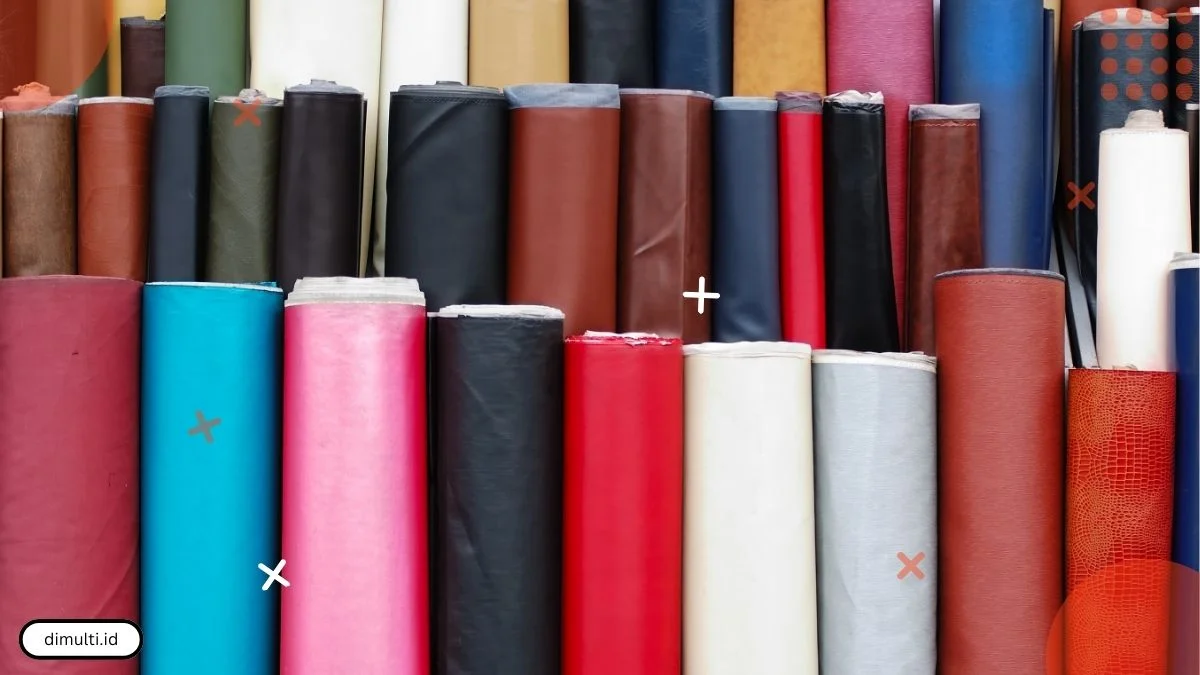
PVC is made from lower quality petroleum. Because it uses a base material which is basically a leftover from the petroleum production process, PVC can be produced at a relatively low cost.
This is why PVC is usually more affordable than other materials made from higher quality petroleum.
So, in addition to being functional and versatile, PVC is also an economical choice because it utilizes leftover petroleum production to produce efficient and affordable products.
2. Lightweight
Although PVC is made from petroleum leftovers, its quality is surprisingly good. One of the main reasons is the addition of plasticizers, which makes PVC more flexible and malleable.
In addition, PVC is known as a very lightweight material, making it ideal for various applications, including making home ceilings.
Because it is lightweight, PVC ceilings not only facilitate the installation process, but also help reduce the burden on the structure of the house.
Another advantage of PVC is its resistance to moisture and easy maintenance, making it a practical and economical choice for home ceilings.
So, even though PVC comes from leftover petroleum production, its capabilities in household applications still make it a solid choice.
3. Waterproof
Made from petroleum-based materials and with the addition of other ingredients such as plasticizers, making PVC water-repellent.
Therefore, PVC is also suitable for use as a bathroom door material, because of its waterproof nature, so it is not easily attacked by termites.
4. Flexible
PVC is a material that is known to be flexible, despite its inherently strong and hard texture. It is this flexibility that allows PVC to be made with varying degrees of hardness as needed.
So, even though this material has a sturdy nature, you can customize its hardness for various applications.
For example, PVC can be made softer and more flexible for applications like yoga mats or harder for uses like pipes or ceilings.
With the ability to customize its hardness, PVC can meet a variety of needs and still provide optimal performance in various situations.
5. Easy to Install
Because of its lightweight nature, PVC material is very easy to install. For example, for home ceilings. And also, because it is lightweight, this material can be easily carried to the top without giving us much trouble.
6. Easy to Maintain
PVC is also very easy to maintain. To clean this material, simply use a sponge or soft cloth dampened with water and detergent, then wipe on its dirty part.
7. Elegant Looks
The PVC has a really elegant look, the usage of this material for ceilings or bathroom doors can give a modern, elegant and luxurious look to your house.
This can be even further improved if you choose the right color, as the PVC material is also easily customizable in terms of its color.
Also Read: “The Applications of PVC Material“
Disadvantages of PVC

Like other things in this life, the PVC also has a few disadvantages that you need to think about before choosing any products that use PVC as its main material.
1. Contain Chlorine
As the name implies, PVC or polyvinyl chloride is a material that contains chloride. Chloride or chlorine itself is a fairly dangerous chemical. Therefore, the use of this material must also be done carefully.
2. Can Sometime Gives Unpleasant Smell
One of the drawbacks of PVC is its unpleasant smell. This smell is very distinctive, and quite disturbing especially when this material is exposed to heat.
3. Hard to Repair
Although the PVC is easy to maintain as we mentioned earlier, once this material is broken it is quite a pain to fix.
This means that if equipment or furniture made from PVC is damaged, it usually needs to be replaced as a whole.
Since PVC has certain characteristics, such as flexibility and strength that can affect the integrity of the material as a whole, repairing damaged parts is often ineffective.
So, rather than trying to repair, it is more practical and efficient to replace the damaged item with a new one.
4. Cannot be Recycled
For you environmentalists, this one might be one of the most impactful drawbacks of the PVC materials.
The scraps left over from making this material cannot be processed into other materials. Waste from this material will also pollute the environment because it cannot be disintegrated for a long time.
5. Cannot be Painted
Because it has a plastic element, PVC cannot be painted. So, if you want a new color on furniture made of PVC, painting cannot be done. The solution, of course, must be a complete replacement.
So there you have it! The advantages and disadvantages of PVC material that you need to think about before choosing the PVC products in your households.
Even with those pros and cons, the applications of PVC are indeed so diverse in a lot of settings, but one thing that is so important is to choose the PVC product that has been tested for its quality and safety.
As in Indonesia, the PVC products are needed to be tested then certified to ensure that it is safe to be sold and distributed in the markets.
The said certification is called the SNI Certification that regulates most if not all of the products and/or services in Indonesia.
And for the PVC itself, the regulations are as diverse as its applications. From the SNI certification for PVC insulated cable that stated in 04-6628.3-2006, 04-6628.4-2006 and 04-6628.5-2006.
And up to the SNI certification for PVC casted boots that is stated in SNI 1547:2017, and everything in between.