

How to use the power screwdriver? Nowadays, the use of power screwdrivers is becoming increasingly popular amongst the community.
This tool not only makes it easier for us to work with certain workpieces, but also improves efficiency and speed in completing tasks.
For those of you who are new to power screwdrivers or want to maximize their use, this article will give you the explanation of how to use power screwdrivers effectively.
Also Read


By understanding how to use it properly, you can avoid common errors and ensure that your screwdriver power works optimally. Let’s take the following explanation!
What is a Power Screwdriver?
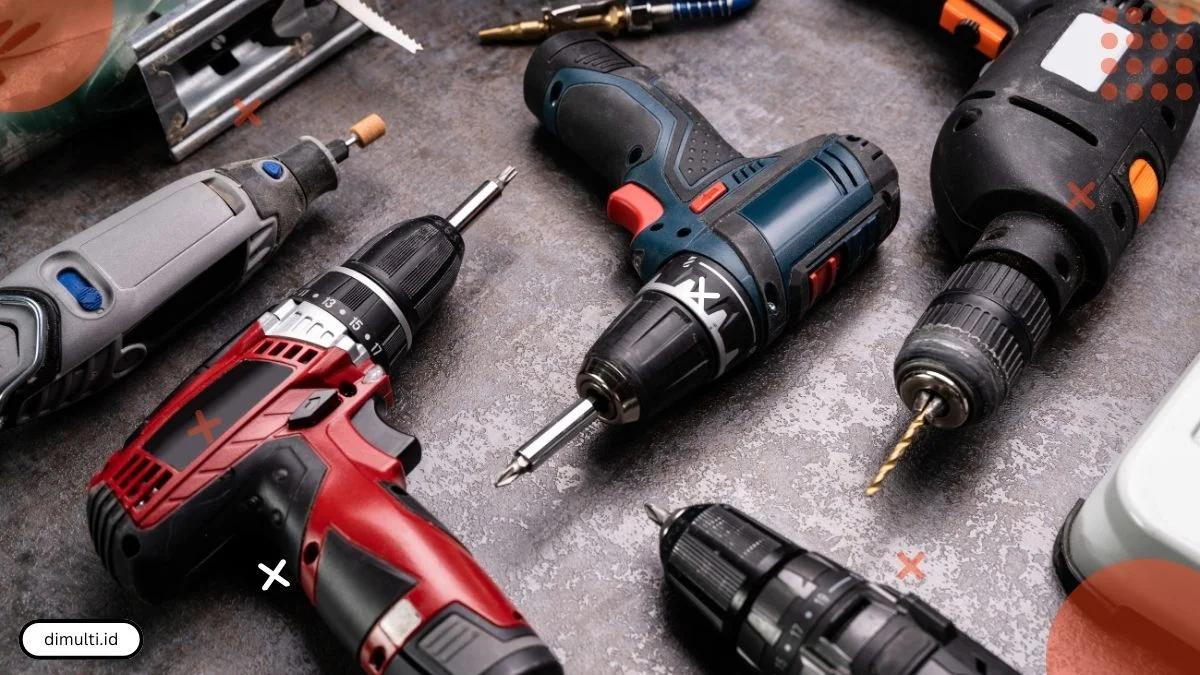
A power screwdriver is a tool designed to ease the installation and removal of screws using electric power.
These devices are usually equipped with small motors that move the screwdriver’s bit automatically, so you do not need to rotate the screwdriver manually.
These device are usually come in a variety of shapes and sizes, from small and portable to larger and high-powered ones.
With this range of options, you can choose the power screwdriver that suits your needs and the type of work to be done.
How to Use a Power Screwdriver?
1. Choose the Right Screwdriver Bit
Before starting to use a power screwdriver, make sure that you choose the bit screwdrivers that match the type of screw that you want to use.
An inappropriate screwdriver bit can damage the screw and the tool itself. To choose the right screwdriver bit, pay attention to the screwdriver bit type (such as Phillips, flathead, or Torx) and the size of the screws.
Using a suitable screwdriver bit will ensure that the screws are properly mounted and prevent damage to your material or screwdriver.
2. Set the Speed and Torque
Most power screwdrivers have adjustable speed and torque settings. Use the right settings according to the material type and size of the screw to avoid damage.
For example, for softer materials like wood, use a lower torque to prevent screws from being too deep and thus damaging the material.
For harder materials like metal, it is advisable that you set your power screwdriver to higher torque so that the screws can be fastened optimally.
Also Read: “9 Common Types of Power Tools“
3. Hold Your Power Screwdriver Properly
Hold the power screwdriver tightly and ensure the position of the screwdriver bit right on the screw head.
This will ensure that the screws are mounted straight and do not damage the material. Holding the screwdriver in the right way will also reduce the risk of injury and ensure you can work more efficiently. Use both hands if necessary to maintain better balance and control.
4. Give a Sufficient Push
Give sufficient pressure when using the power screwdriver. Too much pressure can damage the screw or your workpiece material, while less pressure can cause the screws to not fit properly.
Proper pressure will ensure that the screen enters smoothly without damaging the screwdriver bit.
Pay attention to the sound and feeling of the screwdriver while working; this can help you determine whether the pressure you give is already fit or not.
Also Read: “9 Types of Screwdrivers“
So there you have it! A guide on how to use a power screwdriver properly.
By using this guide, not only will you understand the step-by-step on how to use this reliable device, but also minimize any damage whether to your workpiece material or to your device.