
SNI Certification for Electric Saw in Indonesia – Electric saw is an important tool that is used in several industries such as construction, woodworking, or even household DIY settings.
The electric saw or power saw is a saw that is powered by electricity to make it easier for its user to cut through materials whether it’s wood, steel or plastic.
But did you know that these tools can also harm its user if it is not properly built with certain standards?
Also Read


That’s why there is the SNI certification for electric saw in Indonesia which serves as a guideline for manufacturers to build their electric saws.
This certification will cover every safety and quality aspects of the electric saw to ensure the safety and quality of the electric saw produced.
So, what is the SNI certification for electric saw in Indonesia? Take a look at the explanation that we’ve prepared just for you!
SNI Certification for Electric Saw in Indonesia
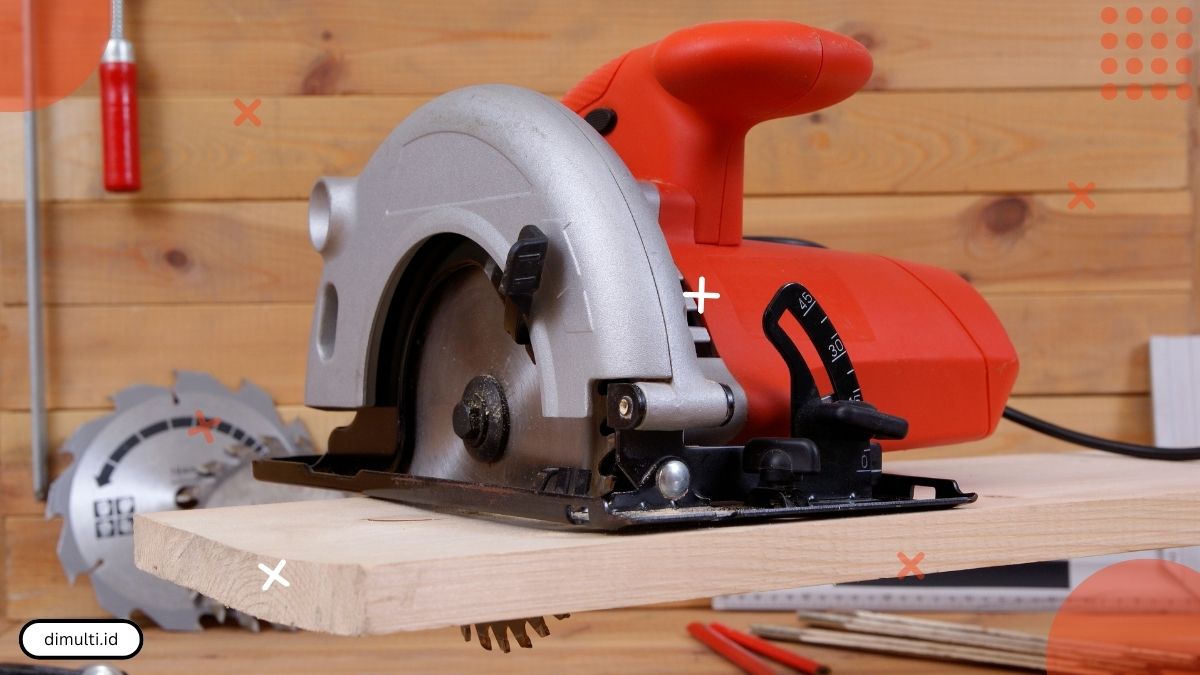
The regulation and standard for electric saw in Indonesia is clearly stated in SNI IEC 60745-2-11:2016 and SNI IEC 60745-2-5:2014.
These standards were adopted from the International Electrotechnical Commission (IEC) standards that specifically address the safety requirements for electric power tools.
Let’s take a look at both standards down below!
Also Read: “9 Common Types of Power Tools“
1. SNI IEC 60745-2-5:2014
This standard focuses on circular saws. It outlines specific safety requirements for the design, construction, and testing of these power tools.
The primary goal is to protect users from electrical, mechanical, and fire hazards.
The key aspects covered by this standard include:
- Electrical Safety
- Mechanical Safety
- Ergonomics
- Testing Procedures
Let’s break down the testing procedures for this certification to further understand it!
- Electrical Safety Tests:
- Insulation resistance: Measures the electrical resistance between conductive parts.
- Dielectric strength: Tests the ability of insulation to withstand high voltage.
- Ground continuity: Verifies the effectiveness of the grounding system.
- Leakage current: Measures the amount of current leaking to the operator.
- Mechanical Safety Tests:
- Blade guard performance: Evaluates the effectiveness of the blade guard in preventing contact with the rotating blade.
- Anti-kickback performance: Tests the saw’s ability to resist kickback, a dangerous condition where the workpiece is forced back towards the operator.
- Brake performance: Measures the time it takes for the blade to stop after the power is turned off.
- Handle and control placement: Assesses the ergonomics and accessibility of the saw’s controls.
- Performance Tests:
- Cutting performance: Evaluates the saw’s ability to cut through various materials.
- Vibration levels: Measures the vibration emitted by the saw during operation.
- Noise levels: Assesses the noise generated by the saw.
- Environmental Tests:
- Temperature and humidity: Tests the saw’s performance under different environmental conditions.
- Vibration resistance: Evaluates the saw’s ability to withstand vibrations.
2. SNI IEC 60745-2-5:2016
The next one is the SNI IEC 60745-2-5:2016, this standard is specifically created to determine the jigsaw’s quality and safety.
Similar to the previous standard, it establishes safety criteria for the design, manufacture, and testing of these power tools.
The key aspects covered by this standard are also the same with the previous one, which include:
- Electrical Safety
- Mechanical Safety
- Ergonomics
- Testing Procedures
The testing procedures are also similar to the standard for the circular saw with additional test or specific parameters due to the nature of reciprocating saws, such as:
- Blade clamping mechanism: Testing the reliability and safety of the blade clamping system.
- Switch performance: Evaluating the switch’s durability, reliability, and safety features.
- Cord strain relief: Testing the strength and durability of the cord attachment points.
So there you have it, the SNI certification for electric saw in Indonesia!
These standards are essential for ensuring the safety of both consumers and workers using power tools.
By adhering to these guidelines, manufacturers can produce tools that minimize the risk of accidents, injuries, and property damage. Additionally, these standards contribute to a safer working environment.
But, one thing that should be considered, while these standards provide a solid foundation for power tool safety, especially an electric saw, it’s crucial to remember that proper use and maintenance of electric saw are also important.
You should always follow the manufacturer’s instructions, wear appropriate personal protective equipment, and be aware of potential hazards.