
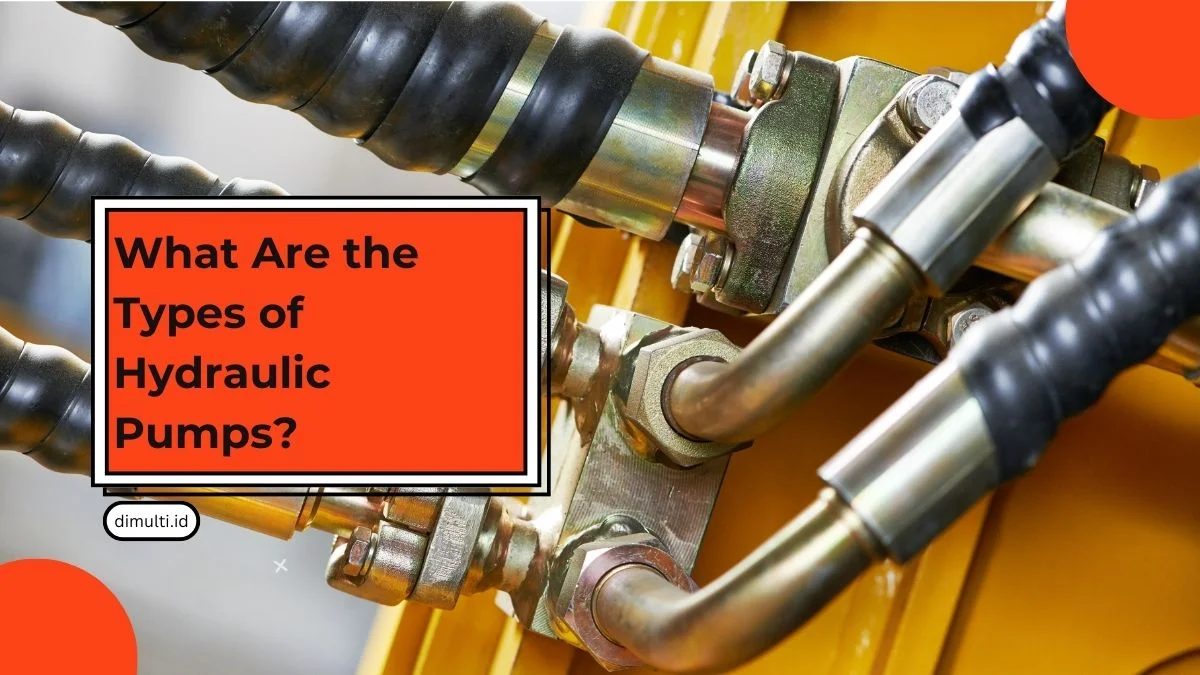
Types of Hydraulic Pumps – In the world of technology and industry, hydraulic pumps play an important role in transferring hydraulic energy to move various mechanical devices.
Are you familiar with the various types of hydraulic pumps and the principle of their operation?
Do you know how hydraulic pumps work to generate energy that can be utilized on a daily basis?
Also Read

Hydraulic pumps are a device that is important in a wide range of industries, both in the construction and manufacturing sectors.
From simple gear pumps to sophisticated piston pumps, each type of hydraulic pump has unique characteristics that determine its functions in a particular industry.
For that, an in-depth understanding of the types of hydraulic pumps can be the key to choosing the optimal solution for your specific project needs.
So check the information below, only at dimulti!
What is a Hydraulic Pump?
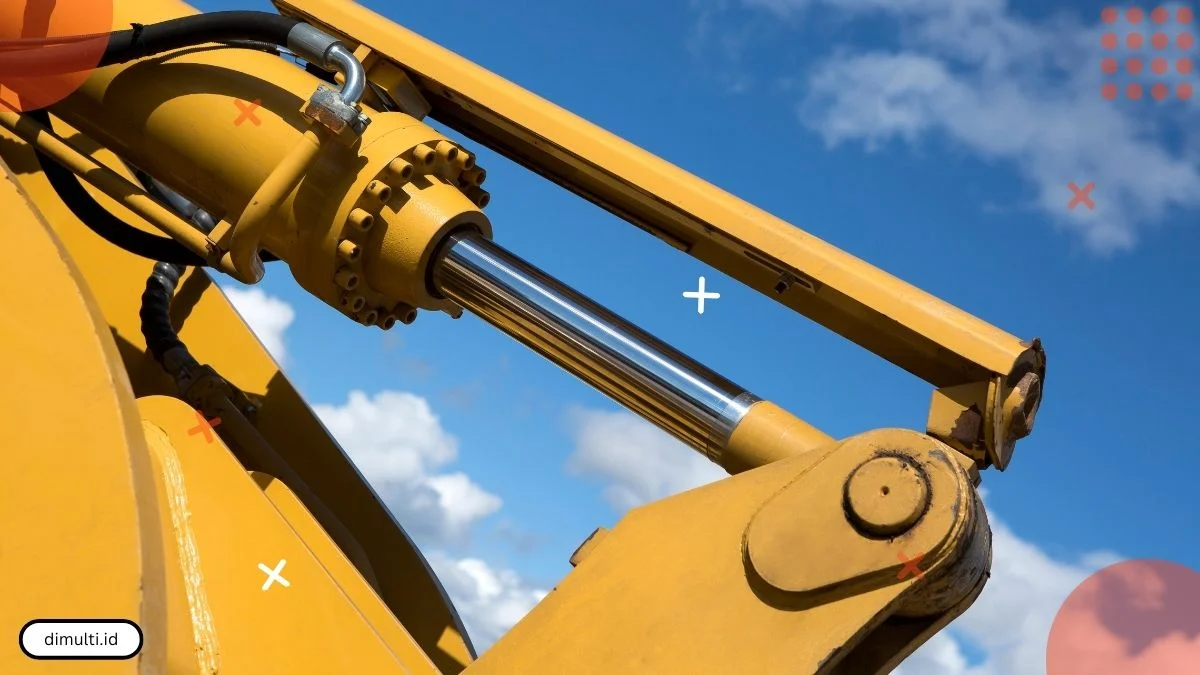
A hydraulic pump is a mechanical device that specifically serves as a hydraulic fluid transmitter to generate the energy required in mechanical systems.
The main characteristic of this pump is its ability to convert mechanical energy into a powerful and versatile hydrologic energy.
Because of its variety of functions, hydraulic pumps have become one of the most important tools used in the construction, manufacturing, mining, and automotive industries.
In that case, the energy of hydraulics pumps is useful to support the operation of various equipment and machines.
For example, in the construction sector, it plays a vital role in moving heavy equipment such as excavators and drills, while in the automotive industry, these pumps are used in brake and steering systems to provide the power and control needed to operate vehicles.
Some of the main components of a hydraulic pump are rotors or pistons that serve as the main propulsion of hydraulic fluids.
Then there are also control valves to regulate flow and pressure, propellant motors as a source of mechanical power, reservoirs for storing hydrological fluids, and filters that play a role in maintaining fluid hygiene by filtering particles and dirt.
Types of Hydraulic Pumps
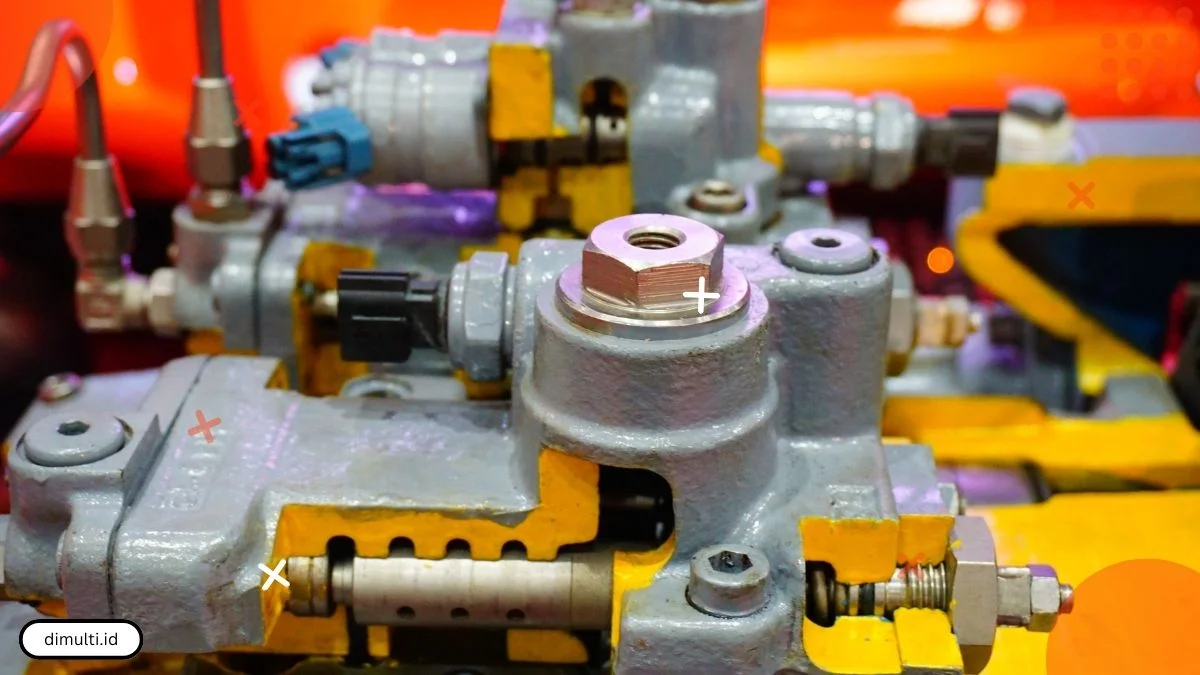
Now, after understanding the explanation of hydraulic pumps itself, let’s get to the main course and dive into the types of hydraulic pumps.
Despite having the same main function, hydraulic pumps remain available in several types and unique characteristics to adapt to a wide range of industrial needs.
1. Gear Pumps
The first type of hydraulic pump is a gear pump that uses a gear to move hydraulic fluids. The main advantages of gear pumps are their simple design and long lifespan.
Gear pumps tend to work at a fixed speed to provide a stable and reliable flow. Typically, these devices are used in light to medium industrial applications, such as tractor hydraulic systems or construction equipment.
2. Vane Pumps
The next is the vane pumps that operate by using the rotation of the shaft or vane inside the rotor to move fluids.
The advantage of a vane pump is its ability to generate more smooth flow and operate with lower sound.
Because of these characteristics, vane pumps are often chosen for applications that require calm environment, such as in hydraulic control systems on precision machines.
3. Piston Pumps
Piston pumps are a type of hydraulic pump that uses the reverse motion of a piston to compress and move hydraulic fluids.
Generally, this tool is known for its ability to provide high pressure and accuracy. Piston pumps are a superior choice for precision-intensive industries, such as hydraulic systems for motor vehicles and aircrafts.
4. Centrifugal Pumps
The next one on our list of types of hydraulic pumps are the centrifugal pumps that operate on the principle of centrifugation to move fluids.
Although more commonly used in water applications, several variations of the centrifuge pumps can be adapted for hydraulic use in other industries. The high speed of the centrifugal pumps makes it effective in transferring large amounts of fluid.
5. Axial Flow Pumps
If you are looking for a pump with a linear flow, then axial flow pumps can be the best solution. This type of hydraulic pump uses a fan knife to generate a linear flow so it is suitable for applications that require large amounts of fluid transfer, such as in agricultural irrigation systems or large irrigating installations.
6. Mixed Flow Pumps
Situated between axial flow and radial flow pumps, mixed flow pumps combine the characteristics of both.
These hydraulic pumps produce mixed flows between linear, as well as radial movements to provide an optimal balance between volume and pressure.
Mixed flow pumps are suitable for industries that require efficient fluid transfer performance, such as large irrigation systems or urban drainage installations.
7. Screw Pumps
Screw pumps, with their design that uses screws to compress and move fluids, have an important role to play in an industry where fluid’s hygiene is a top priority.
This type generally handles fluids that contain small or solid particles effectively making it an ideal solution for a variety of applications, such as ship hydraulic systems.
8. Lobe Pumps
The last type of hydraulic pump is lobe pumps that use lobes that rotate inside the casing. For that, this tool is known for its ability to cope with thick or solid fluids.
Often found in the food and pharmaceutical industries, lobe pumps serve to maintain the integrity of the material transferred.
Since these devices focus on maintaining hygiene and resistance to the chemical material, lobe pumps are ideal for the transportation of food or medicines.
There you have it! The types of hydraulic pumps alongside its explanations!
But one thing that is also important is the quality of your hydraulic pumps. Make sure to choose the hydraulic pumps that have already been certified by the SNI certification.
The hydraulic pumps with the SNI certification have already been tested and also inspected for its quality, materials and also safety aspects.
The SNI certification itself is a type of product approval applied in Indonesia to almost if not every product and service sold and distributed in Indonesia.
Every product needs to undergo a rigorous set of tests to inspect and determine its safety and quality before being certified by the SNI certification.
With this certification, the Indonesian customers can get a peace of mind knowing the products that they bought have already complied with safety standards.
Not only that, for the business owners it is also quite beneficial, because by having the SNI certificate on your products, you can boost the trust from the Indonesian market.
Aside from that, the SNI logo on your product can also be used as a marketing tool to advertise your products.
To know more about the SNI certification, kindly check the link below!
- Address: Jl. H. M. Tohir Jl. Margonda No.15, Pondok Cina, Kecamatan Beji, Kota Depok, Jawa Barat 16424 (Google Maps)
- Phone Number: (021) 27843242
- E-Mail: info[at]narmadi[dot]com