
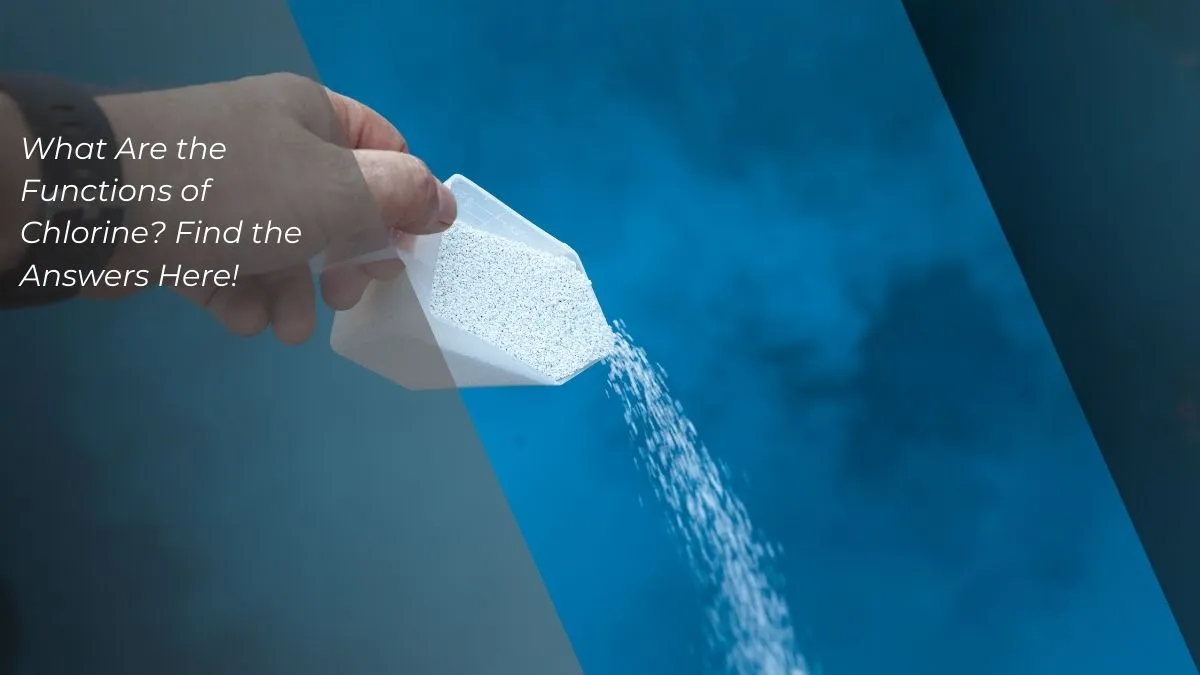
What are the functions of chlorine especially in swimming pools and wells that you need to know? Let’s find the answer only at Dimulti!
Water is an important source of life for all living things. However, the presence of microorganisms such as bacteria, viruses, and algae can make water unhealthy for consumption or use.
Chlorine, or also known as calcium hypochlorite, is a chemical that is often used in water treatment to address those problems.
Also Read


In this article, Dimulti will discuss the various functions of chlorine that are commonly used for swimming pools and other benefits in water treatment in general. Learn more below!
What is Chlorine?
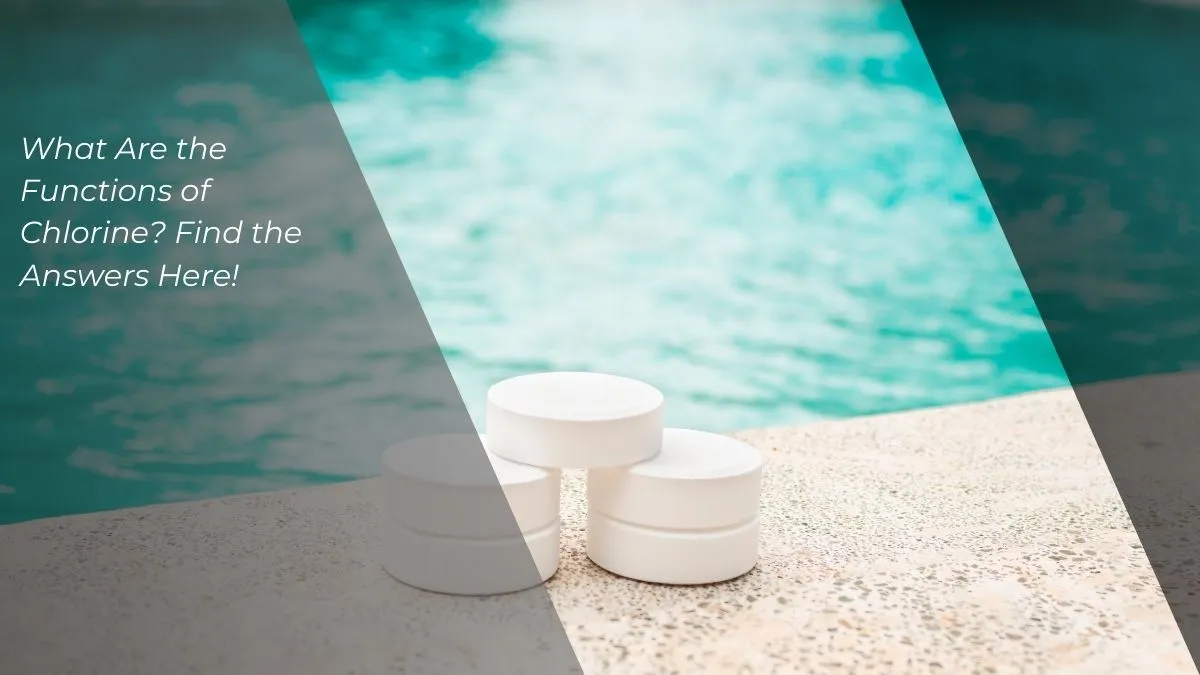
Chlorine, or calcium hypochlorite, is a chemical compound that is often used as a disinfectant and bleach.
Chlorine is usually present in the form of powder or tablets that when dissolved in water, produces hypochlorite, which is an effective microbial killer agent.
Because of its ability to kill bacteria, viruses, and algae, chlorine is also often used in water treatment to maintain water hygiene and health, especially in swimming pools and in other water treatment industries.
Functions of Chlorine
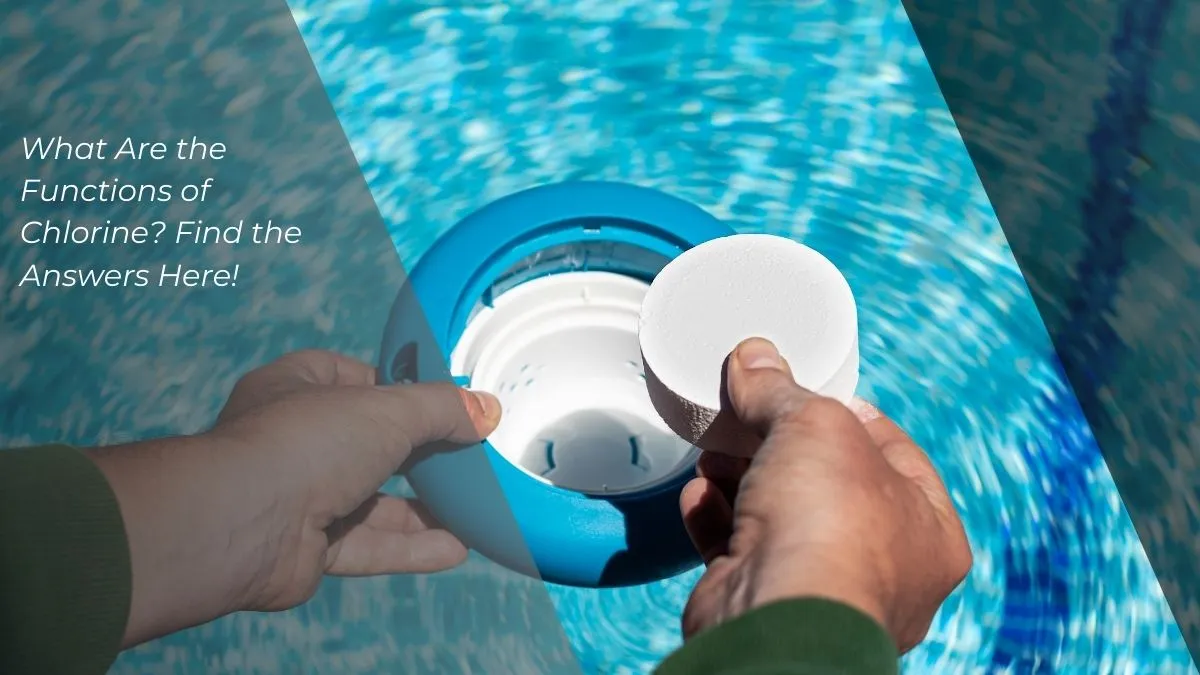
Chlorine has some important functions in pool water treatment that make it a highly reliable chemical. Here are some of the functions of chlorine that you need to know.
1. Killing Microorganism
One of the primary functions of chlorine in pool water treatment is to kill all kinds of microorganisms in the water, such as bacteria, viruses, and algae as these microorganisms can be the main cause of a variety of health and hygiene problems in the pool water.
By using chlorine regularly in the right dosage, the pool water can remain sterile and safe for use by its users.
2. Preventing the Spread of the Disease
By killing any harmful microorganism such as viruses and bacterias in water, chlorine can also help in preventing the spreading of any disease that might be transmitted through pool water.
Some notable diseases that can be prevented by using chlorine are dermal diseases, respiratory problems and other health problems.
Also Read: “How to Use Chlorine The Right Way“
3. Maintaining the Water Quality
Chlorine not only kills microorganisms, but also helps keep the pool water clean. By removing the tiny particles that can make the water cloudy, chlorine makes the pool look cleaner and more attractive.
4. Preventing Algae Growth
Algae is a common problem in pool management that can make pool water green and slippery. Chlorine is effective in controlling the growth of these algae by destroying the algae cells and preventing algal blooms.
Thus, regular use of chlorine helps keep the pool water clean, clear, and free from unwanted algae interference.
5. Reducing Foul Smells
When microorganisms reproduce in water, they can produce a disturbing odor. Chlorine can help reduce this odor by killing the microbial organisms responsible for producing the odor.
Thus, the use of Chlorine can cleans pool water while helping to create a more pleasant environment for pool users.
6. Wells Disinfectant
Well water often contains a variety of harmful microorganisms such as bacteria, viruses, and parasites that can cause disease if consumed and using a chlorine can be an effective disinfectant to kill these microorganisms.
This process is known as chlorination, in which chlorine is added to the well water in the right quantity according to the instructions for use.
After the chlorination process is completed, chlorine helps keep the well water sterile and safe for consumption.
7. Pesticide
Chlorine can be used as a pesticide that can help control the population of insects and other animals that can interfere with water quality.
Regular consumption of chlorine with a proper amount can reduce the risk of the spread of diseases that can be caused by water pests such as mosquitoes and other insects.
This is especially important in environments where water is used as a consumption or agricultural purposes.
8. Drinking Water Purification
In the drinking water processing industry, Chlorine is used to help purify water from various contaminants that can harm human health.
With the right dosage, chlorine can help eliminate bacteria, viruses, and other organic substances that can be found in drinking water.
9. Waste Management
Did you know aside from that, chlorine is also widely used in liquid waste treatment to help remove microorganisms and other organic materials found in the waste.
In the waste management process, chlorine is added to the liquid waste and then mixed evenly to ensure its effectiveness in killing harmful microorganisms.
The use of chlorine in waste treatment helps reduce the risk of environmental pollution and keep the waste disposed is safer for the environment.
So there you go, the functions of chlorine in many settings including swimming pools, well water and even waste management.
But you also need to make sure that the chlorine you used is safe and also composed of high quality materials.
This cannot be forgotten in order to further the effectiveness of chlorine that you use.
Choose the one with the SNI logo on it, because that is the chlorine that has complied with the SNI certification regulation and already been tested for its quality and safety aspect.
Well, the SNI certification is a set of regulations to ensure every product and service served and marketed in Indonesia are within Indonesian standard.
For the chlorine itself, the regulation is clearly stated in SNI 2856:2021 about calcium hypochlorite.